
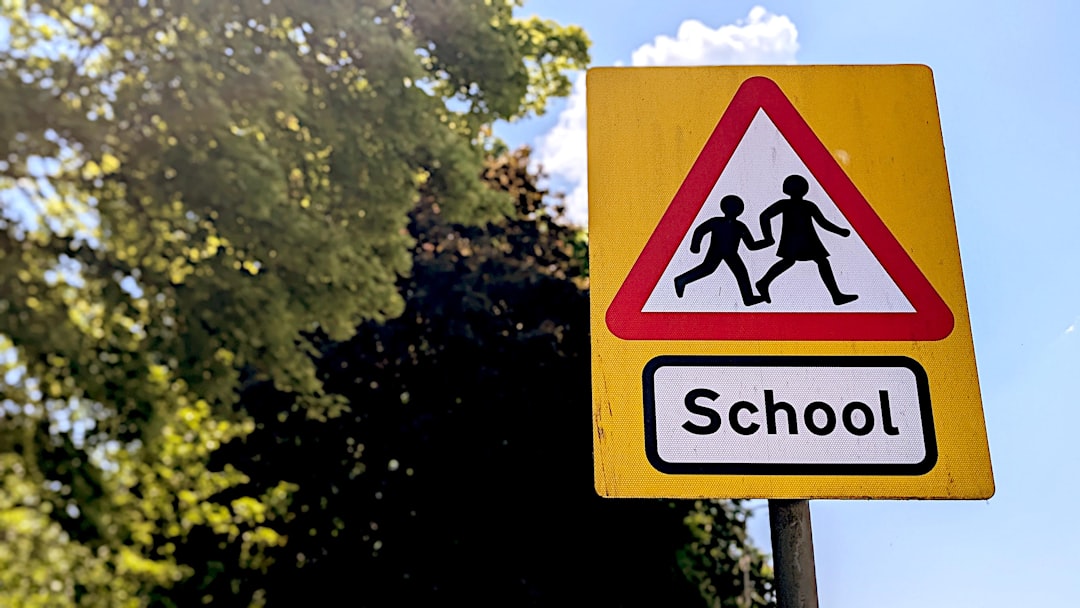
A student road patroller in Papakura has become the fifth child struck by a vehicle in New Zealand since the school term began just weeks ago, sparking urgent calls for safer school zones and greater driver awareness.
The string of incidents, reported by the New Zealand Herald, has terrified parents across the country and raised serious questions about infrastructure around schools and driver behavior near educational facilities.
Five kids in a few weeks. This is a national crisis that speaks to dangerous infrastructure around NZ schools and appalling driver behavior. Parents are terrified to let their children walk to school.
The latest incident involved a child serving as a school road patroller—a student volunteer helping other children cross safely—being hit while performing safety duties. The cruel irony hasn't been lost on parents and educators.
Earlier in the term, one child in Christchurch was trapped under a car but miraculously survived. Others have sustained serious injuries. That none of the five children has died is being described as remarkable luck rather than good design.
Road safety experts point to multiple contributing factors: inadequate infrastructure around schools, including poorly designed drop-off zones and inadequate pedestrian crossings; drivers distracted by mobile phones or rushing through school zones; and a car-dependent culture that puts more vehicles on roads near schools.
"We've designed our cities for cars, not for children," one transport safety researcher told the Herald. "And now we're paying the price in blood."
School principals have called for immediate action, including lower speed limits near schools, better enforcement of existing speed limits, more physical barriers separating children from traffic, and investment in safe walking and cycling infrastructure.
Parents are demanding accountability. "How many more kids need to get hit before the government does something?" one Auckland parent asked at a community meeting. "This is preventable."
The incidents have reignited debate about New Zealand's car-centric transport policies. Advocates for safe streets point out that countries like the Netherlands have far lower rates of child pedestrian casualties because they've invested in infrastructure that separates vulnerable road users from vehicles.
Local councils have responsibility for most road infrastructure, but are constrained by funding limitations and competing priorities. The central government sets broader transport policy and funding allocations, which critics say prioritize highways over local safety improvements.
For now, parents are left hoping their children will be safe during the daily school run—a hope that feels increasingly fragile as the toll of injured children mounts.