While coastal cities like Da Nang and Hoi An continue to draw the backpacker crowds, central Vietnam is quietly developing a new tourism sector in its mountainous interior—and Cha Loi Cave is emerging as a flagship destination for authentic adventure travel.
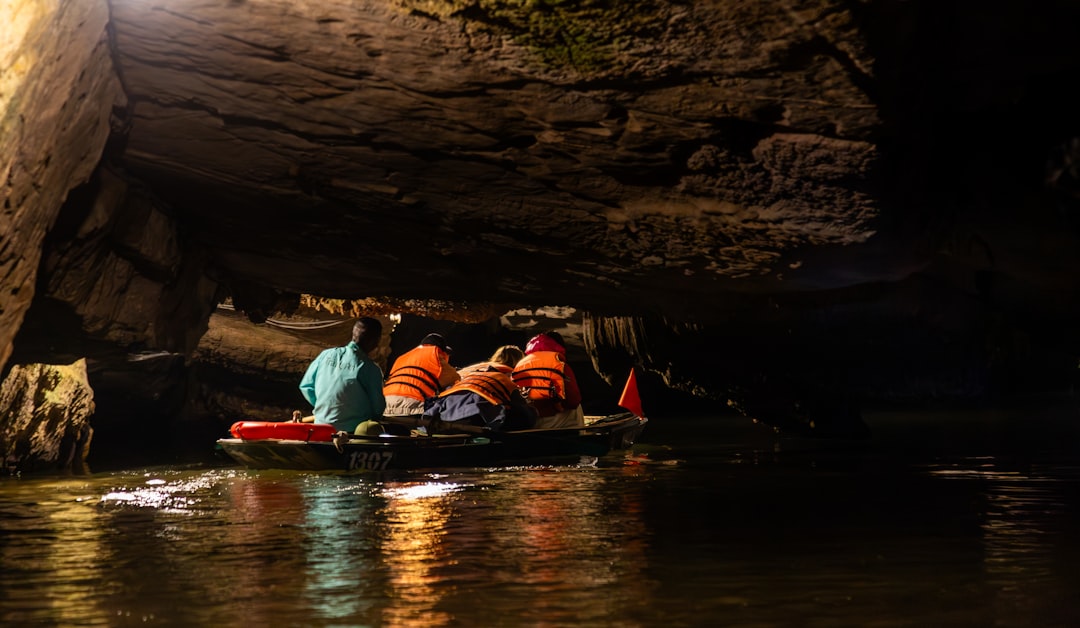
Located in the western mountains of Quang Tri Province, Cha Loi Cave offers a markedly different experience from Vietnam's typical tourism circuit. This isn't a boardwalk tour with handrails and LED lighting. Visitors equipped with helmets and headlamps spend hours crawling through narrow passages, climbing over rock formations, and wading through underground streams to explore limestone chambers shaped over millions of years.
The cave system sits in what was formerly part of Quang Binh Province, the region that's home to Son Doong, the world's largest cave. But while Son Doong expeditions cost upward of $3,000 and book out months in advance, Cha Loi offers a more accessible entry point into serious caving at a fraction of the price.
Adventure tourism is booming across Vietnam's interior regions, driven by travelers seeking experiences beyond the beach resort and backpacker hostel circuit. This shift is creating new economic opportunities in rural communities that previously saw little tourism revenue. Local guides with deep knowledge of cave systems and jungle trails are finding steady work, and the model emphasizes smaller group sizes that reduce environmental impact.
For budget travelers, the economics are compelling. Caving expeditions in central Vietnam typically cost $50-150 per day, including equipment, guides, and basic meals—far less than comparable adventure experiences in Western countries. The trade-off is basic facilities and a genuine wilderness experience that requires physical fitness and comfort with uncertainty.
The trek to reach Cha Loi Cave involves hiking through pristine forest, and tour operators typically include cultural components about the region's history and local ethnic communities. It's the kind of tourism development that benefits rural economies without requiring massive infrastructure investment.