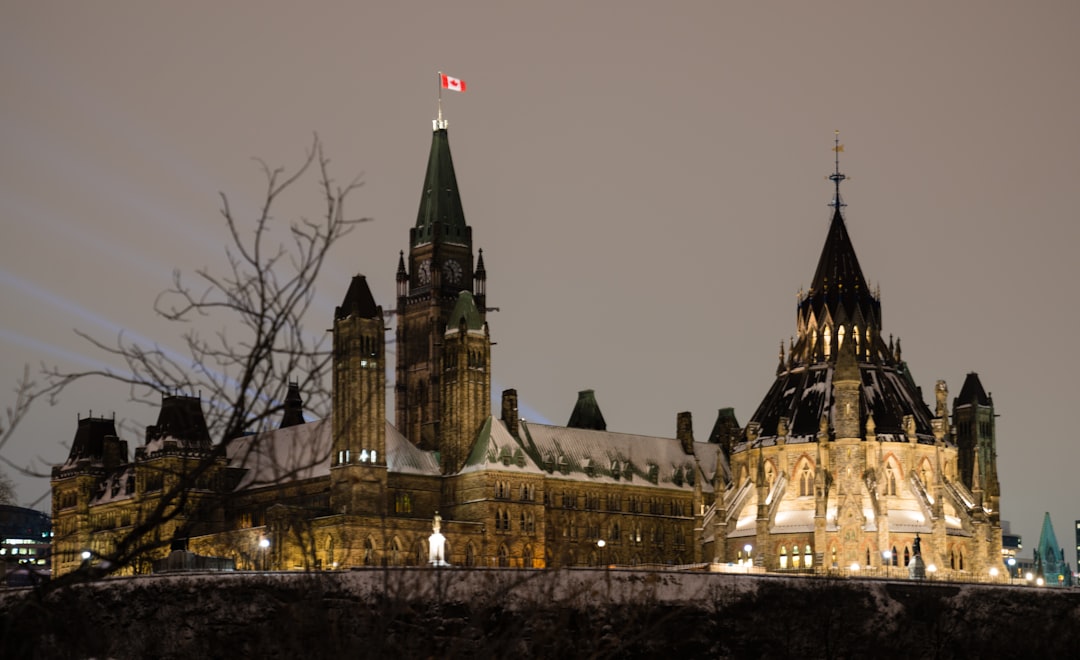
Mark Carney has secured a majority government in Canada's special elections, according to projections from Reuters and CBC, returning the Liberal Party to power with a strengthened mandate and positioning the former central banker to lead Ottawa through a period of intense trade tensions with the United States.
With results from 311 of 338 ridings reported, the Liberals had won or were leading in 174 seats—well above the 170 needed for a majority—while the Conservatives held 121 and the New Democratic Party 28. The result exceeded pre-election polling and gives Carney a clear mandate to implement his economic agenda.
"Canadians have chosen a path of competence, fiscal responsibility, and defense of our national interests," Carney told supporters in Ottawa early Monday morning. "We will not be bullied, we will not back down, and we will build a stronger, more resilient economy that serves all Canadians."
To understand today's headlines, we must look at yesterday's decisions. Carney, who previously served as Governor of both the Bank of Canada and the Bank of England, brings an unusual profile to the prime ministership: deep expertise in monetary policy, international finance, and climate economics, combined with virtually no electoral experience. His campaign emphasized economic management credentials at a moment when Canada faces tariff threats and trade uncertainty from Washington.
The election was triggered after the minority Liberal government lost a confidence vote in February, following President Donald Trump's renewed threats to impose 25% tariffs on goods unless for border security. campaigned on a platform of economic nationalism, promising both to defend sovereignty and to diversify trade relationships beyond the .