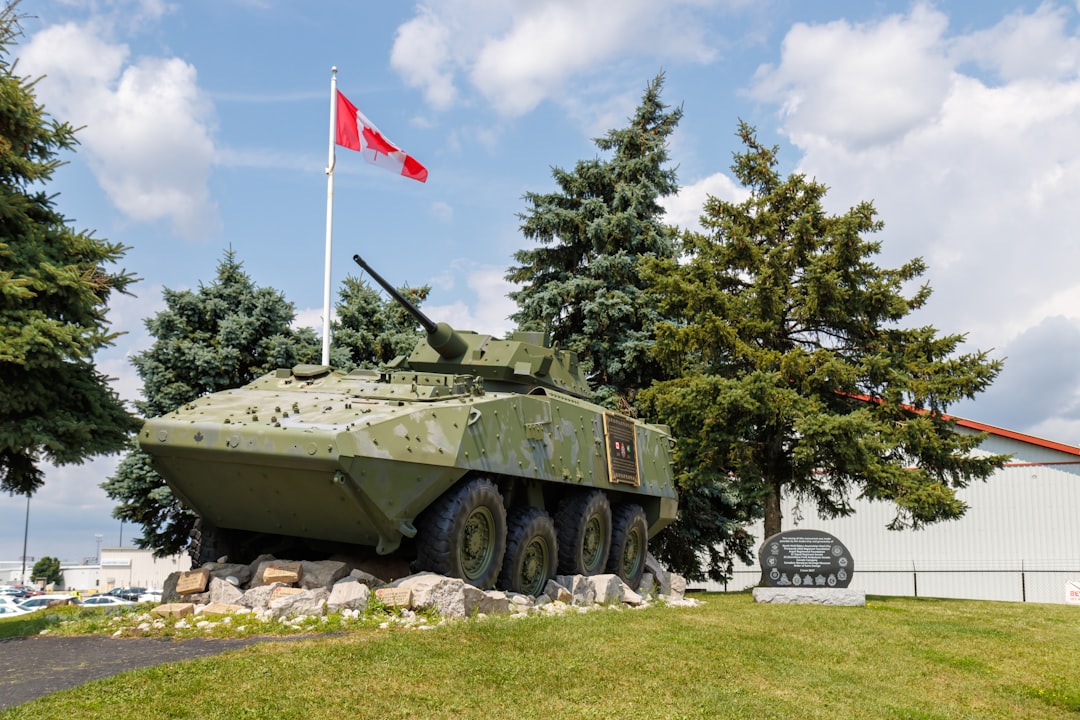
Canada is experiencing its largest military recruitment surge in three decades, marking a striking shift for a nation long defined by peacekeeping missions rather than power projection. The Canadian Armed Forces reported a 40% increase in applications over the past year, challenging assumptions about Canadian identity in an increasingly unstable world.
The recruitment boom, reported by BBC News, comes as Russia's continued aggression in Ukraine, Arctic militarization, and shifting U.S. reliability under previous administrations have forced Ottawa to reconsider its defense posture. For decades, Canada maintained one of NATO's smallest military-to-population ratios among major members, often relying on American security guarantees.
Defense Minister Bill Blair attributed the surge to both geopolitical factors and domestic economic conditions. "Young Canadians are recognizing that service matters in ways we haven't seen since the Cold War," Blair told reporters in Ottawa. "But we're also offering stable careers with benefits that few private sector employers can match."
The economic dimension is significant. With Canada's cost-of-living crisis pushing many young adults out of housing markets, military service offers guaranteed housing, education benefits, and pension security. Recruiters in Toronto and Vancouver report that housing costs are frequently mentioned in application interviews.
But defense analysts suggest the trend reflects deeper shifts in Canadian strategic thinking. Andrea Charron, director of the Centre for Defence and Security Studies at the University of Manitoba, noted that Arctic sovereignty concerns have moved from abstract policy discussions to concrete threats. "The Northwest Passage is opening faster than anyone predicted," Charron said. "Canadians are realizing we can't defend our northern claims with good intentions."
In Canada, as Canadians would politely insist, we're more than just America's neighbor—we're a distinct nation with our own priorities. The recruitment surge reflects uniquely Canadian concerns: defending the longest coastline in the world, protecting Arctic shipping routes as climate change opens new passages, and maintaining sovereignty over disputed northern territories.
The increase comes as Canada faces pressure from NATO allies to meet the alliance's 2% of GDP defense spending target. Canada currently spends approximately 1.3%, though the Liberal government has committed to reaching 2% by 2032. The personnel surge provides political cover for increased defense budgets that might otherwise face public resistance.
Regional patterns in recruitment reveal distinct motivations. Atlantic Canada, facing chronic unemployment in traditional industries like fishing and forestry, has seen some of the highest application rates. Prairie provinces, with strong military traditions, continue contributing disproportionately. Urban centers like Toronto and Montreal, historically less military-oriented, show surprising growth.
The Canadian Armed Forces still face significant challenges translating applications into operational capability. Training infrastructure, stretched thin after decades of underinvestment, struggles to process the influx. Equipment modernization lags, with aging CF-18 fighter jets and naval vessels requiring replacement. Personnel retention remains problematic, with many recruits leaving after initial contracts.
Opposition critics question whether the surge represents genuine strategic commitment or economic desperation. Conservative defense critic James Bezan argued the government deserves no credit: "Young Canadians are joining despite this government, not because of it. They're fleeing an economy where housing is unaffordable and good jobs scarce."
The trend mirrors patterns in European NATO members following Russia's Ukraine invasion, suggesting a broader Western reckoning with defense assumptions. Germany, Poland, and the Baltic states have all reported recruitment increases, though Canada's percentage growth exceeds most European allies.
For a nation that has long prided itself on peacekeeping and "soft power" diplomacy, the military surge presents an identity question. Canada contributed significantly to Afghanistan, but public memory of that mission remains ambivalent. The current generation of recruits faces a different calculus—joining a military increasingly focused on Arctic defense, cyber warfare, and potential great power conflict.
The recruitment numbers also have implications for Canada's relationship with the United States. As Washington pressures allies to shoulder more defense burdens, Canada's personnel growth provides tangible evidence of commitment, potentially easing tensions over trade and other bilateral issues.
Whether this surge translates into sustained military capability depends on political will and fiscal commitment. Recruiting soldiers is easier than equipping and retaining them. But for now, the numbers suggest Canadians are reconsidering their security assumptions in ways not seen since the Cold War's end.