Canada announced a $3.8 billion commitment to nature conservation today, marking one of the most ambitious national biodiversity initiatives in recent history and establishing new protected areas in collaboration with Indigenous communities across the country's vast northern landscapes.
Prime Minister Mark Carney unveiled the funding package alongside announcements of two major new conservation sites: a vast protected area in James Bay and an expanded conservation region in Manitoba's boreal forest. The initiative represents Canada's most significant conservation investment in decades, addressing both biodiversity loss and climate change through ecosystem protection.
"This is about safeguarding the natural heritage that defines Canada while honoring the partnership with Indigenous peoples who have been stewards of these lands since time immemorial," Carney said at the announcement in Ottawa. "We're not just protecting wilderness—we're investing in the life-support systems that clean our water, store carbon, and sustain the species that make this country extraordinary."
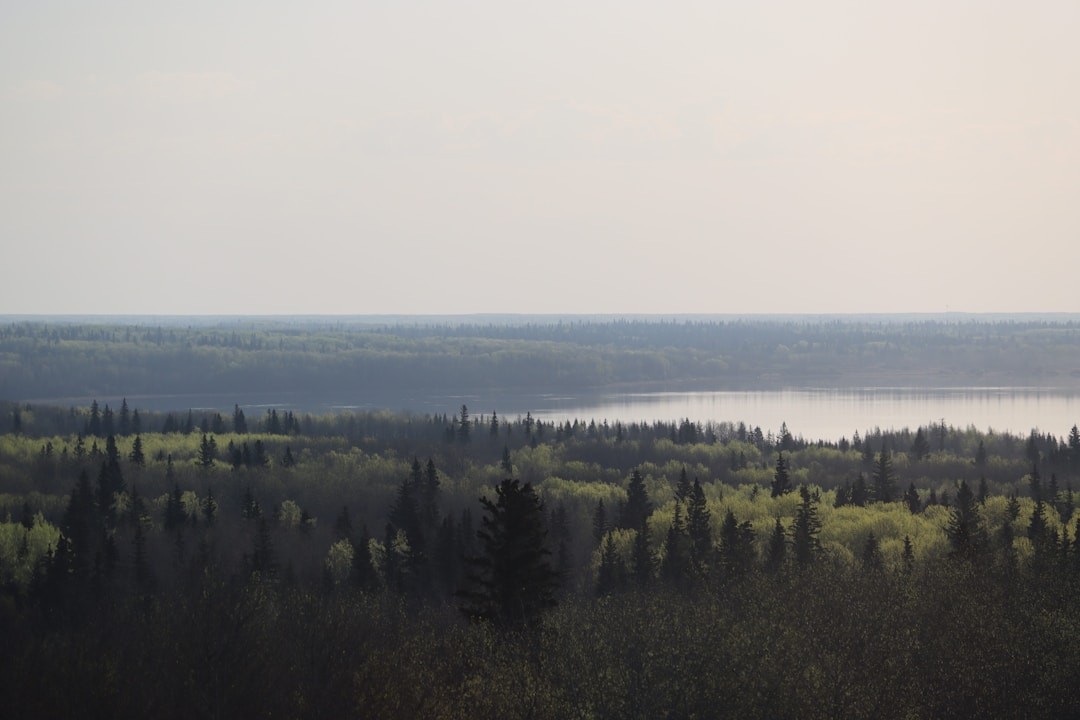
The James Bay initiative will establish one of North America's largest protected wetland complexes, encompassing over 12 million hectares of peatlands, coastal marshes, and boreal forest. The region serves as critical habitat for migratory waterfowl, caribou herds, and polar bears, while storing enormous quantities of carbon in deep peat deposits accumulated over millennia.
The announcement emphasized Indigenous-led conservation as the cornerstone of the approach. The James Bay protections were developed through extensive consultation with Cree First Nations, who will have primary management authority over the protected areas. Funding includes substantial resources for Indigenous guardians programs, which employ local community members as land stewards and monitors.
"Our people have protected these lands for generations," said Grand Chief Abel Bosum of the Grand Council of the Crees. "This agreement recognizes that Indigenous knowledge and Western science together create the strongest foundation for conservation. It also provides economic opportunities for our communities through sustainable stewardship rather than extraction."
The Manitoba component expands existing protected areas in the province's boreal forest by 3.5 million hectares, creating connected habitat corridors essential for wide-ranging species like woodland caribou and wolverines. Biologists emphasize that habitat connectivity increasingly determines conservation success as climate change forces species to shift their ranges northward.
"This isn't about locking up land and walking away," explained Dr. Kai Chan, a conservation scientist at the University of British Columbia. "Modern conservation requires active management, monitoring, and community engagement. The Indigenous guardians model has proven remarkably effective at detecting threats early, managing human access appropriately, and maintaining ecological integrity."
The funding allocation spans ten years and includes resources for land acquisition, conservation agreements with private landowners, endangered species recovery programs, and ecological restoration projects. Approximately 40% of the budget directly supports Indigenous-led conservation initiatives, reflecting growing recognition that Indigenous-managed lands often show better conservation outcomes than government-managed protected areas.
The initiative also addresses Canada's international commitments under the Kunming-Montreal Global Biodiversity Framework, which established targets to protect 30% of land and water by 2030. Canada currently protects approximately 14% of its terrestrial area and 14% of marine areas, leaving substantial work to reach the 30x30 goal.
Environmental advocates welcomed the announcement while noting implementation challenges ahead. "This is genuinely historic—the scale of funding and commitment to Indigenous partnership represents real progress," said Megan Leslie, president of the World Wildlife Fund Canada. "But the hard work begins now. Effective conservation requires sustained investment, careful management, and political will that persists beyond election cycles."
The boreal forest ecosystems targeted by the initiative provide globally significant climate regulation services. Canada's boreal region stores an estimated 208 billion tonnes of carbon—equivalent to decades of global fossil fuel emissions. Protecting these carbon-dense ecosystems prevents emissions while maintaining critical habitat for species unable to survive in fragmented or degraded landscapes.
The announcement includes funding for wildlife corridor development connecting protected areas, addressing one of conservation biology's central challenges. Research increasingly shows that isolated protected areas function as ecological islands, vulnerable to local extinctions and genetic isolation. Corridors allow genetic exchange between populations and provide routes for climate-driven range shifts.
In nature, as across ecosystems, every species plays a role—and humanity's choices determine whether the web of life flourishes or frays. Canada's commitment demonstrates that ambitious conservation remains achievable when governments prioritize nature protection and embrace genuine partnership with Indigenous communities who possess deep knowledge of the landscapes at stake.
The initiative arrives as global biodiversity indicators show alarming declines. The 2024 Living Planet Report documented a 73% average decline in monitored wildlife populations since 1970. Scientists warn that continued biodiversity loss undermines ecosystem services humanity depends upon—from pollination to water purification to climate regulation.
Implementation timelines call for initial protected area designations within 18 months, with Indigenous guardians programs launching in participating communities this year. Conservation organizations are already working with government agencies to identify priority parcels for acquisition and engage additional Indigenous nations interested in conservation partnerships.
For conservation advocates who have witnessed decades of inadequate action, the announcement represents a significant shift in political commitment. Whether this momentum translates into enduring habitat protection will depend on sustained funding, effective management, and the political courage to prioritize long-term ecological integrity over short-term resource extraction pressures. The fate of Canada's extraordinary northern wilderness—and the countless species it sustains—hangs in the balance.