

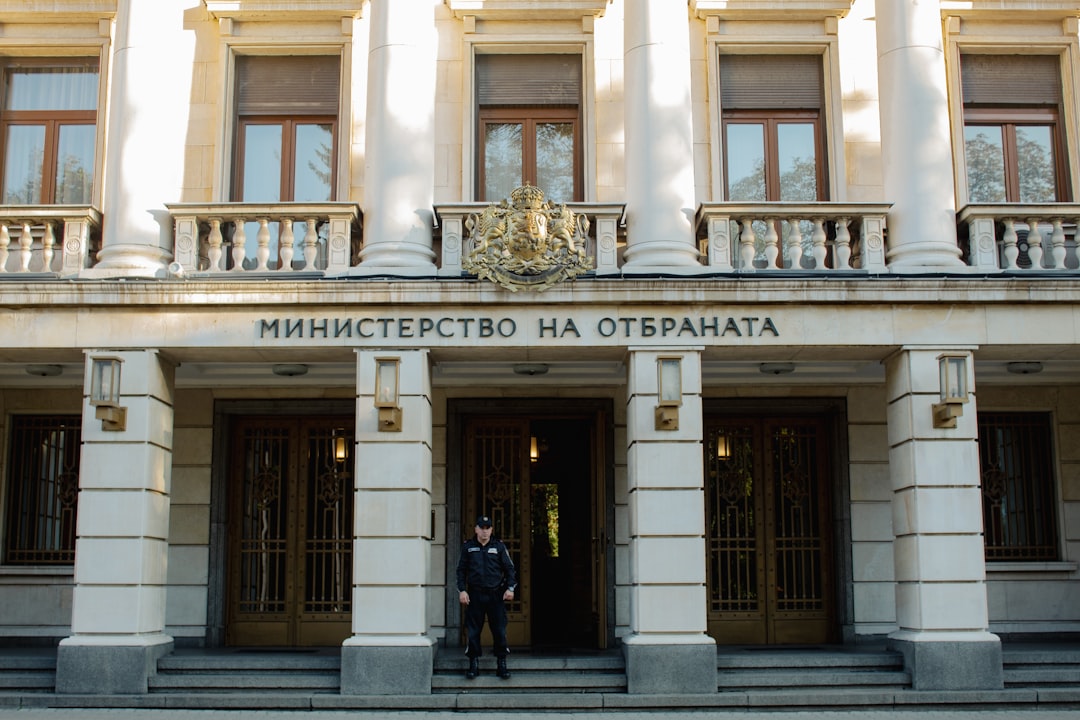
Bulgaria has formally requested European Union assistance to counter election interference ahead of April parliamentary elections. The appeal reflects growing concerns about Russian influence operations in the Balkans, where Sofia has historically maintained closer ties to Moscow than many EU neighbors.
According to Politico Europe, Bulgarian officials are seeking EU support mechanisms designed to protect electoral integrity from foreign manipulation. The request marks an unusual acknowledgment of vulnerability from a government that has previously downplayed Russian interference concerns.
Bulgaria occupies a unique position within the EU regarding Russia policy. The country has maintained energy dependence on Russian natural gas and hosts significant pro-Russian political sentiment among portions of its population. Recent governments have pursued more Western-aligned policies, creating domestic political tensions that external actors may exploit.
In Russia, as in much of the former Soviet space, understanding requires reading between the lines. Bulgarian authorities would not request EU intervention without credible evidence of interference activity. The public appeal suggests Sofia has detected specific threats it believes require external assistance to counter effectively.
The specific nature of anticipated interference remains unclear from available reporting. Russian influence operations in European elections have previously included disinformation campaigns, social media manipulation, funding for sympathetic political parties, and cyberattacks on electoral infrastructure. Bulgaria's request likely addresses multiple threat vectors rather than a single concern.
The timing carries significance. April elections occur as European unity faces pressure from various directions—the ongoing Ukraine war, energy security concerns, and debates over defense spending. Russia has historically sought to exploit European divisions, and Bulgarian elections offer an opportunity to influence EU policy through a member state government.
EU mechanisms for election protection have evolved following Russian interference in previous European and American elections. The European External Action Service maintains rapid response teams designed to identify and counter foreign information manipulation. Whether these resources prove sufficient to address Bulgarian concerns remains to be seen.



/file/dailymaverick/wp-content/uploads/Becs-roelfmeyer2.jpg)