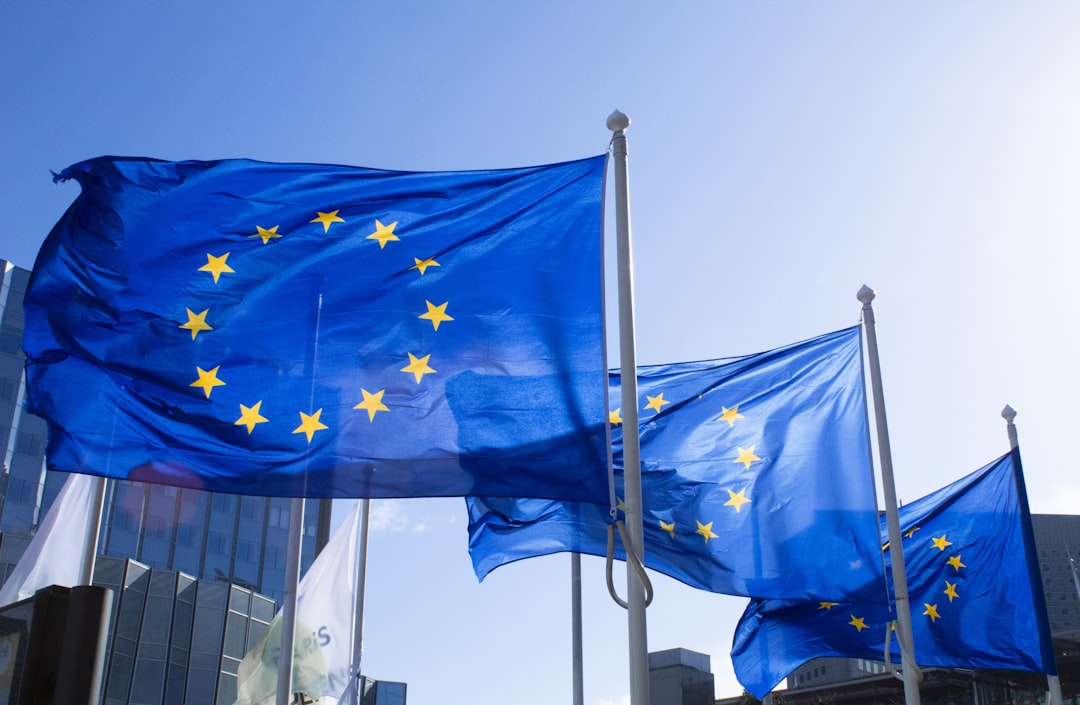
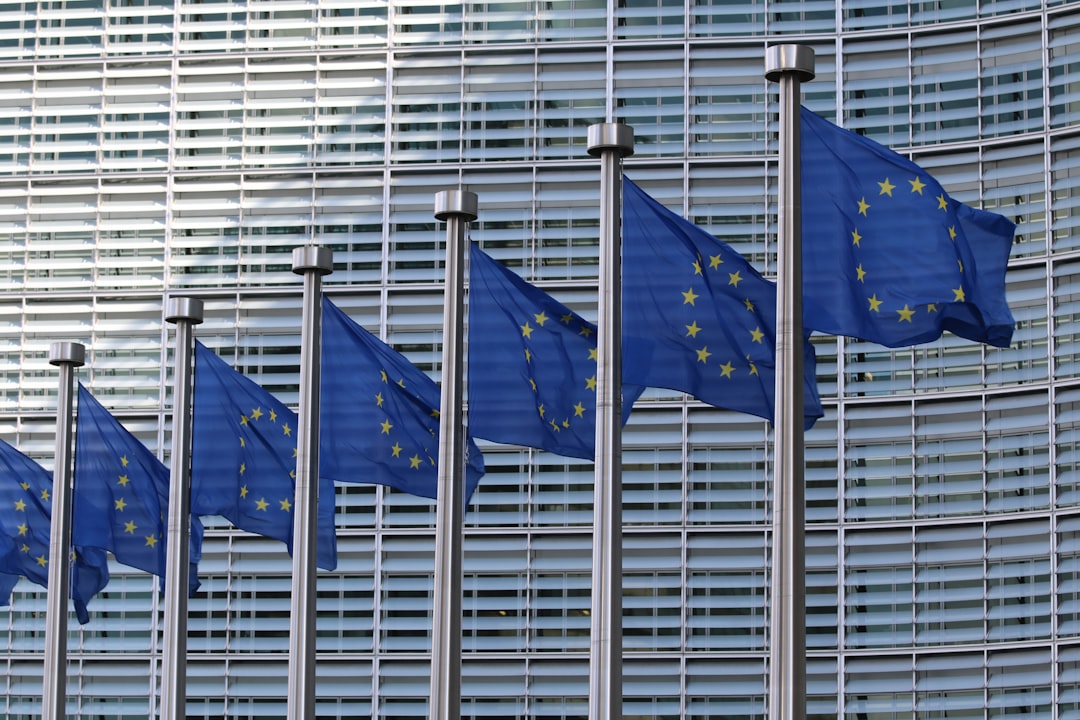
The British government is reportedly pursuing a shared single market arrangement with the European Union ahead of a planned summit in Brussels, according to Der Spiegel, marking what could be the most significant shift in UK-EU relations since the Brexit referendum.
The proposal, which comes nearly a decade after British voters chose to leave the European Union, would represent a dramatic reversal of the economic rupture that has defined UK-EU relations since 2016. For Germany, the continent's largest economy and a central player in European institutional architecture, the development presents both opportunities and complexities.
In Germany, as elsewhere in Europe, consensus takes time—but once built, it lasts. The question now facing policymakers in Berlin is whether this British overture represents a sustainable commitment or merely tactical positioning.
Berlin's Strategic Calculus
German government sources, speaking on background, have indicated cautious interest in the British proposal while emphasizing that any arrangement must respect the acquis communautaire—the accumulated body of EU law and obligations. The German position, shaped by both economic interests and institutional principles, reflects the country's traditional role as a bridge-builder within European structures.
For German industry, particularly the automotive and chemicals sectors, the prospect of restored market access to Britain carries significant weight. Trade between Germany and the UK has declined measurably since Brexit, with customs barriers and regulatory divergence adding friction to what was once seamless commerce. The German Chamber of Industry and Commerce has long advocated for closer economic ties with London, viewing the British market as essential for German manufacturing exports.
Yet the political calculation extends beyond immediate economic gains. Germany's commitment to European integration—reinforced through successive coalition governments regardless of partisan composition—means that Berlin will likely insist on maintaining the integrity of the single market's four freedoms: movement of goods, services, capital, and people.
The Four Freedoms Question
This is where the British proposal faces its most significant obstacle. Previous attempts at bespoke arrangements—Norway's single market membership without EU political integration, Switzerland's sectoral agreements—all require acceptance of free movement provisions that have proven politically contentious in Britain.
German officials have made clear, in both public statements and private consultations, that the single market cannot be disaggregated. "Rosinenpickerei"—cherry-picking—remains unacceptable to Berlin and to the broader EU-27 consensus that Germany has helped construct.
The upcoming Brussels summit will test whether British negotiators have developed proposals that satisfy this fundamental requirement. According to sources familiar with preparatory discussions, the summit agenda includes provisions for exploratory talks on market access arrangements, though formal negotiations would require approval from all member states.
Länder and Economic Interests
The German federal structure adds another dimension to Berlin's approach. Economic ministers from Bavaria and Baden-Württemberg—both heavily dependent on automotive exports—have expressed particular interest in any arrangement that would reduce barriers to British market access. North Rhine-Westphalia's chemicals industry similarly stands to benefit from regulatory alignment.
This Länder interest provides the federal government with both leverage and constraint. While regional economic pressure can strengthen Germany's negotiating position within European councils, it also means that any final arrangement must deliver tangible economic benefits, not merely symbolic reconciliation.
European Leadership and Institutional Integrity
For Germany, the British proposal also represents a test of European institutional coherence. Having invested considerable political capital in maintaining EU unity through Brexit negotiations, multiple crises, and ongoing enlargement discussions, Berlin will weigh any accommodation to London against its implications for European integration more broadly.
The concern, articulated by German European affairs specialists, is that excessive flexibility with Britain could encourage other member states to seek similar opt-outs or special arrangements, undermining the legal and political framework that has sustained European cooperation for seven decades.
Yet there is also recognition that a stable, prosperous Britain engaged with European markets serves German and European interests. The economic weight of the British market—combined with security cooperation imperatives and shared regulatory standards in areas from finance to pharmaceuticals—makes the case for constructive engagement.
The Path Forward
The Brussels summit will likely produce exploratory language rather than concrete commitments. The European institutional machinery moves deliberately, particularly on matters of core principle. German officials expect months, if not years, of technical negotiations should the British proposal gain traction.
What matters from Berlin's perspective is that any discussion begins from a position of legal clarity and political realism. The single market's rules exist not as bureaucratic impediment but as the legal architecture enabling economic integration among diverse political systems. Compromising that architecture for short-term accommodation would, in the German view, damage the very structure Britain now seeks to rejoin.
In Germany, as elsewhere in Europe, consensus takes time—but once built, it lasts. The British proposal, whatever its ultimate fate, signals that the Brexit settlement remains unfinished business, with Germany once again positioned as both architect and arbiter of Europe's institutional future.