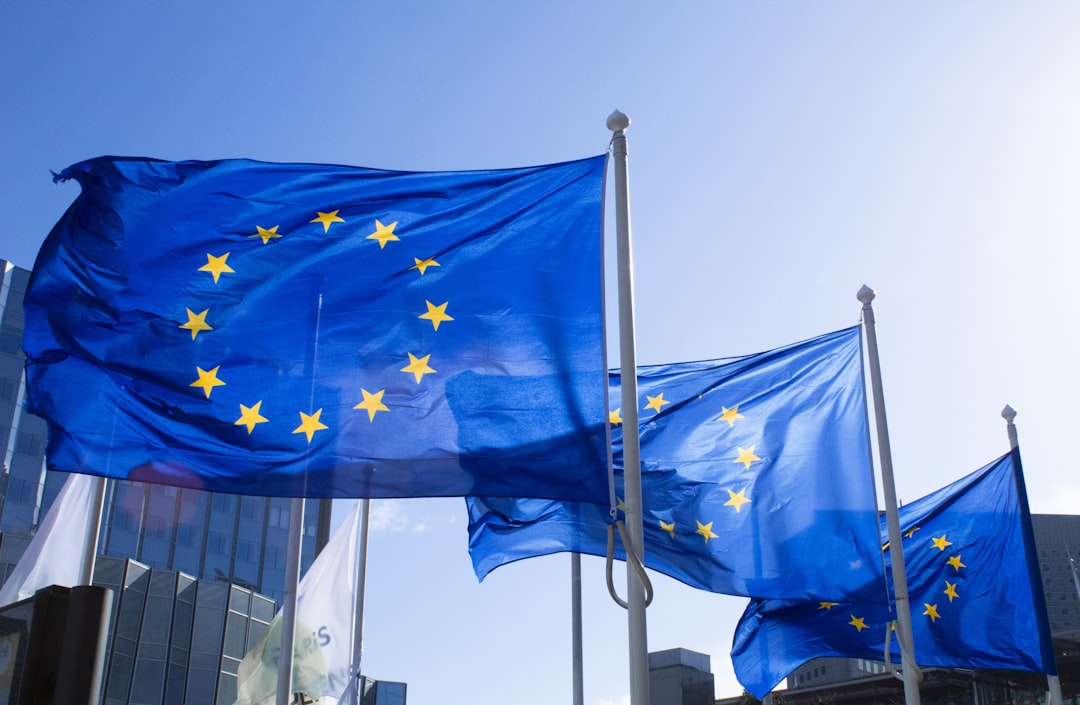
Seventy-five percent of Armenians now support joining the European Union, according to a new survey that captures one of the most dramatic geopolitical shifts in the South Caucasus in decades. The poll signals what many in Brussels have quietly anticipated: Russia's failure to defend its ostensible ally has opened the door for European influence in a region Moscow once considered its exclusive backyard.
The survey, conducted by a Yerevan-based research organization, marks a stunning reversal for a country that until recently maintained close security ties with Russia through the Collective Security Treaty Organization. But Moscow's conspicuous absence during Armenia's 2020 and 2023 conflicts with Azerbaijan shattered whatever illusions remained about Russian reliability.
"This is what happens when a security guarantor fails to guarantee security," one EU diplomat based in the region told me on background. "Armenia watched Nagorno-Karabakh fall while Russian peacekeepers stood by. That's not a partnership Armenians want to continue."
The shift toward Europe is not merely aspirational. Armenia has quietly been deepening practical cooperation with the EU through enhanced mobility agreements and civilian monitoring missions deployed after the 2023 Azerbaijani offensive. The EU has also positioned itself as a mediator in Armenian-Azerbaijani normalization talks - a role Russia once monopolized.
But before anyone in Yerevan starts measuring for EU membership plaques, Brussels's reality check is overdue. The European Union is already struggling with its current enlargement agenda. The Western Balkans have been waiting decades. Ukraine and Moldova have candidate status but face years, perhaps decades, of reforms before accession. Georgia's own European aspirations have been repeatedly derailed by domestic political crises.
And then there's Turkey.
Ankara's membership application has been frozen since 2016, yet Turkey remains a NATO ally with actual strategic value to Europe. If the EU can't bring itself to admit Turkey after decades of negotiations, what realistic prospect does Armenia - a landlocked country of three million, geographically in Asia, with unresolved territorial disputes and a fragile economy - actually have?
The answer, as with much EU enlargement discourse, is that membership and partnership are two very different things. Brussels can offer Armenia trade agreements, visa liberalization, technical assistance, and political support without ever opening accession negotiations. This is the EU's specialty: the perpetual antechamber where candidate status substitutes for actual membership.
None of this diminishes the significance of Armenian public opinion. The 75 percent support figure is a vote of no confidence in Russia and a clear signal that Yerevan sees its future oriented westward. It also creates political space for Prime Minister Nikol Pashinyan's government to accelerate institutional reforms and align more closely with European standards - changes that have value regardless of whether they culminate in EU membership.
For Brussels, the question is strategic: Can the EU afford to ignore a country turning toward Europe while Russia flounders? Or will institutional overcaution and enlargement fatigue let Moscow - or Ankara, or even Beijing - fill the vacuum?
The EU has spent the last two years talking about geopolitical assertiveness. Armenia's pivot is a test of whether that rhetoric translates into actual policy. My guess? Brussels will offer warm words, technical missions, and association agreements. Membership? Ask again in 2050.
Brussels decides more than you think - and sometimes, what it decides is to defer the decision entirely.