
Rick Azevedo, a 43-year-old pharmacy worker from São Paulo, never expected his frustrated TikTok video about Brazil's punishing 6x1 work schedule would ignite a national labor movement that has brought Latin America's largest democracy to the brink of historic workplace reform.
The movement gained unstoppable momentum this week as Brazil's government signaled it is prepared to "play to the crowd" if the Senate attempts to block legislation ending the 6-day work week, according to UOL Notícias. The announcement marks a dramatic shift in Brazilian labor policy driven entirely by grassroots digital organizing.
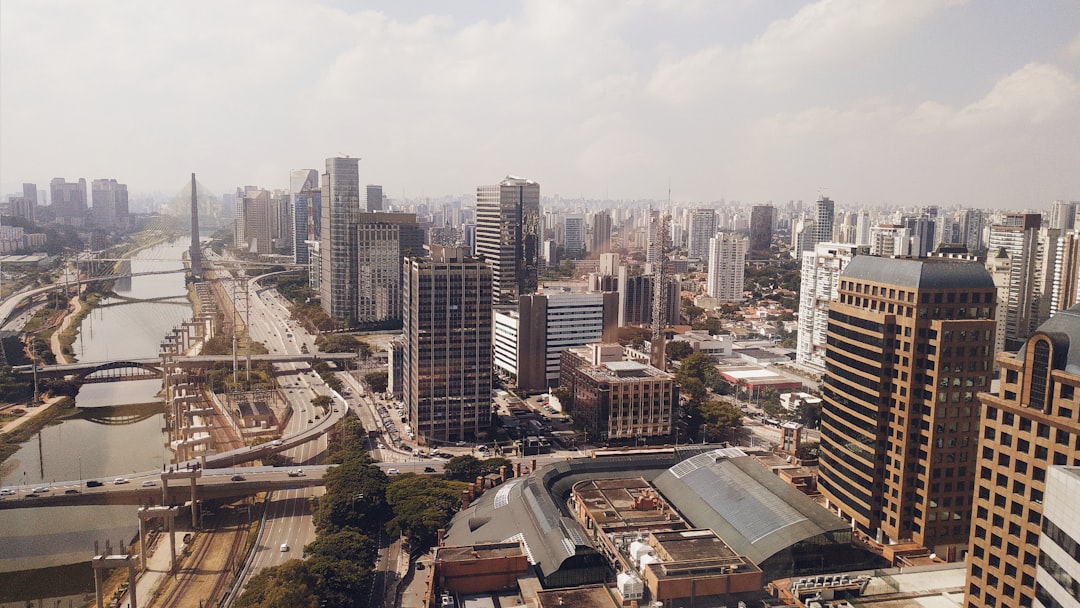
In Brazil, as across Latin America's giant, continental scale creates both opportunity and governance challenges. The 6x1 schedule—six days of work followed by one day off—has been standard practice across retail, service, and hospitality sectors for decades, affecting millions of workers from Manaus to Porto Alegre. But Azevedo's viral video resonated with Brazilians exhausted by schedules that leave little time for family, education, or rest.
"I just wanted people to understand what this life is like," Azevedo told G1 after the congressional vote advanced. "Working six days, getting one day off—you can't organize your life, you can't be with your children, you can't study." This is his first great victory.
The movement exploded on TikTok with millions of views, turning the hashtag #Fimda6x1 (End the 6x1) into a political force that even opposition legislators couldn't ignore. Workers shared stories of missed birthdays, abandoned studies, and health deteriorating under relentless schedules. The digital campaign translated into street protests in , , where demonstrators carried banners reading (Work less, everyone works, produce what's necessary, redistribute everything).