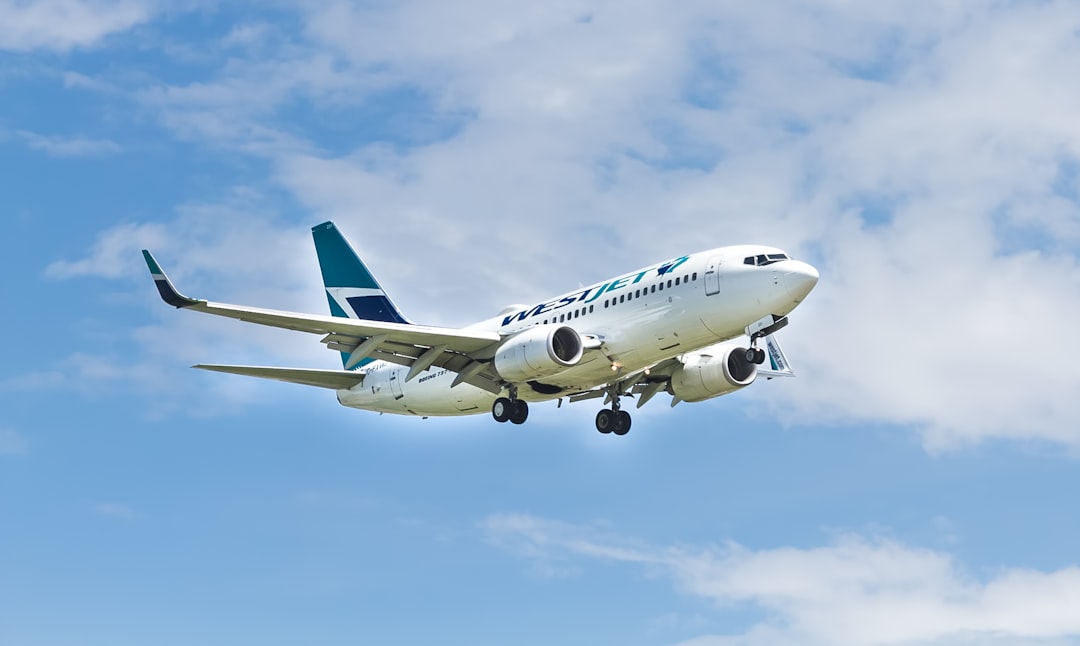
A federal jury in Chicago just handed Boeing a $49.5 million bill for the death of Samya Stumo, a 24-year-old killed when Ethiopian Airlines Flight 302 fell out of the sky in 2019.The verdict breaks down like this: $21 million for her experience during the fatal flight, $16.5 million for loss of companionship, and $12 million for the family's grief. Boeing had already admitted responsibility, so the jury's only job was deciding how much the company should pay.Here's why this matters beyond one family's tragedy: this is about precedent.The 737 MAX disasters—Lion Air Flight 610 and Ethiopian Airlines Flight 302—killed 346 people in total. Boeing settled most cases confidentially, burying the liability exposure under layers of NDAs. But a handful of families refused to settle quietly and took their cases to trial.Last November, another jury awarded over $28 million to a different victim's family. Now this verdict. Each public trial sets a benchmark that makes future settlements more expensive and harder to conceal.Boeing's stock barely flinched on the news—$49.5 million is a rounding error for a company that generates tens of billions in annual revenue. But the real cost isn't the individual verdicts. It's the cumulative legal and reputational damage from cases that keep the 737 MAX catastrophe in the headlines.The company's statement was corporate boilerplate: "We are deeply sorry to all who lost loved ones on Lion Air Flight 610 and Ethiopian Airlines Flight 302." Sorry enough to pay, apparently, but the apology rings hollow when you consider the systemic failures that led to the crashes.The 737 MAX was grounded worldwide for nearly two years while Boeing fixed the flight control software that caused both disasters. Investigations revealed the company prioritized speed-to-market over safety, pushed regulators to minimize pilot training requirements, and downplayed risks to maximize profits.The financial toll has been enormous: production halts, regulatory fines, airline compensation, and now these verdicts. But Boeing remains too big to fail, too embedded in defense contracts and commercial aviation to face existential consequences.The real question is whether these verdicts change corporate behavior or just become another line item in risk management spreadsheets. Based on Boeing's track record—including ongoing quality control issues with the 737 MAX and other aircraft—the smart money is on the latter.Samya Stumo's family got their day in court and a measure of justice. But $49.5 million won't bring her back, and it won't fundamentally reform a company culture that put profit ahead of safety.The numbers don't lie, but they don't change much either.
|