Thousands of miles from the combat zones in Iran, a different kind of crisis is unfolding across Asia: a currency crisis triggered by the flight to safety that's sent the dollar surging and regional currencies into free fall.
The chain reaction is textbook crisis economics. Geopolitical risk → safe haven demand → dollar strength → emerging market currency pressure → central bank interventions → potential capital controls. We're watching it play out in real time across South Korea, Indonesia, Thailand, India, and beyond.
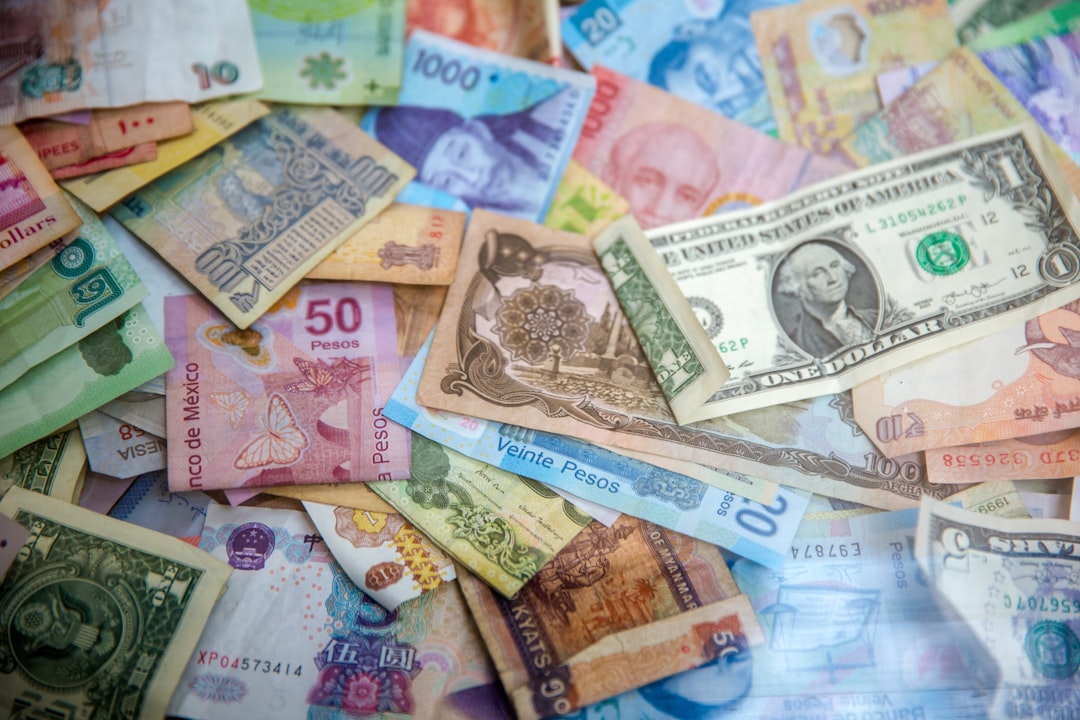
The won, rupiah, baht, and rupee have all weakened sharply against the dollar as investors pull capital from emerging markets and park it in U.S. Treasuries—the ultimate safe haven asset. It's the same playbook we saw during the 2013 taper tantrum, the 2015 China devaluation, and the 2020 COVID panic.
Here's why this matters beyond currency traders: Weaker currencies mean imported inflation. Asia imports most of its oil, priced in dollars. When the dollar strengthens 10%, oil effectively becomes 10% more expensive in local currency terms even if the dollar price doesn't change. Add in the Iran war's impact on actual oil prices, and you've got a double whammy hitting Asian consumers.
Central banks across the region face impossible choices. Raise rates to defend currencies, but risk choking off economic growth. Let currencies fall, but import inflation that hammers consumers. Or burn through foreign exchange reserves to support currencies—a temporary fix that depletes ammunition for future crises.
The Bank of Korea and Bank Indonesia have both intervened in currency markets, selling dollars from reserves to prop up the won and rupiah. But intervention only works if the underlying fundamentals cooperate. In a sustained risk-off environment, reserves eventually run dry and central banks capitulate.
This creates a feedback loop to U.S. markets that investors are underestimating. Asian central banks hold trillions in U.S. Treasury reserves. If they're forced to sell Treasuries to defend currencies, that adds supply to bond markets at exactly the moment when Treasury yields are already elevated. More supply pushes yields higher, which strengthens the dollar further, which puts more pressure on Asian currencies. It's a doom loop.
For U.S. companies with Asian exposure—think Apple, Nike, Starbucks—weaker Asian currencies mean lower profits when repatriated to dollars. A 10% currency headwind can easily wipe out a quarter's worth of operational improvements. Watch for warnings about FX impacts in upcoming earnings calls.
The broader risk is contagion. Currency crises don't stay contained. The 1997 Asian Financial Crisis started in Thailand and spread across the region, eventually rattling global markets and toppling governments. This isn't 1997—Asian economies have better fundamentals and larger reserve buffers. But the transmission mechanisms are the same.
What would stabilize things? A credible peace process in Iran that calms oil markets. Or the Federal Reserve cutting rates to ease dollar strength—unlikely given domestic inflation concerns. Or China stepping in with currency swaps and liquidity support for regional partners—possible, but that increases Beijing's regional influence at Washington's expense.
The interconnection of global markets means wars don't stay regional in their economic impact. The Iran conflict threatens Middle East oil supply. That strengthens the dollar. That crushes Asian currencies. That imports inflation to Asia. That forces central bank tightening. That slows Asian growth. That hits U.S. multinationals. That pressures U.S. stocks.
Six degrees of separation, financial markets edition. The bullet fired in Tehran hits wallets in Seoul, balance sheets in Jakarta, and eventually earnings reports in Silicon Valley.
Cui bono? Dollar holders, obviously. But sustained dollar strength creates its own problems—it makes U.S. exports uncompetitive and widens the trade deficit. There's no free lunch, even in a safe haven rally.
The numbers to watch: Intervention frequency from Asian central banks, reserve levels, and crucially, whether any country considers capital controls. The moment a major economy restricts capital flows, we're in a different phase of crisis. Not there yet. But currency markets move faster than policymakers react.