A flash of brilliant blue and gold has returned to Rio de Janeiro's skies after two centuries of silence, marking a milestone victory for urban wildlife restoration in one of the world's most famous cities.
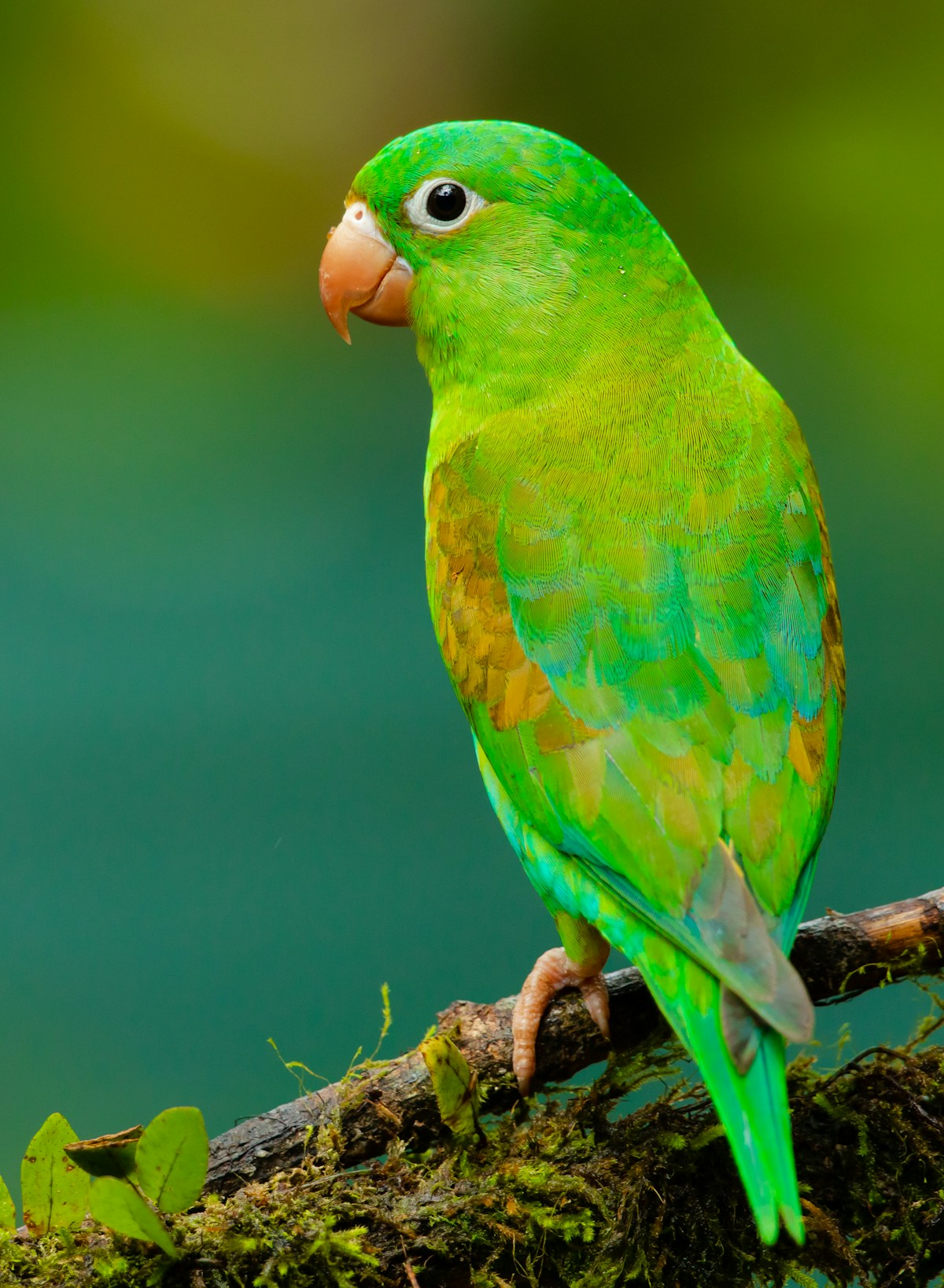
Blue-and-yellow macaws—vibrant parrots that once filled Brazil's Atlantic forests with raucous calls—have been successfully reintroduced to Rio through a carefully orchestrated conservation program decades in the making. The species vanished from the region around 1818, victims of habitat destruction and the exotic pet trade that decimated populations across coastal Brazil.
"It's a dream come true," said conservationists working with the reintroduction program, which has spent years preparing captive-bred birds for release into Rio's remaining forest patches. The effort represents a paradigm shift in urban conservation—demonstrating that even megacities can restore lost wildlife when communities commit to coexistence.
The macaws were released in protected urban green spaces, including the Tijuca Forest, the world's largest urban forest that itself represents a restoration success story. The nineteenth-century reforestation transformed degraded coffee plantations back into lush Atlantic forest, creating the habitat foundation that now supports returning wildlife.
The program required extensive community engagement. Macaws are loud, conspicuous, and occasionally destructive—they can damage fruit trees and make nests in inconvenient locations. Success depended on neighborhood support, education programs explaining the birds' ecological importance, and systems for addressing human-wildlife conflicts before they escalate.
Blue-and-yellow macaws play crucial roles in forest ecosystems as seed dispersers, spreading large-seeded trees that many other animals cannot transport. Their return signals recovering ecological function, not just symbolic species presence.
The reintroduction follows careful protocols: birds undergo behavioral training, health screening, and gradual acclimation to wild conditions. Post-release monitoring tracks survival, breeding success, and integration with Rio's existing wildlife communities.
In nature, as across ecosystems, every species plays a role—and humanity's choices determine whether the web of life flourishes or frays. Rio's macaw restoration required addressing the forces that caused extinction in the first place: protecting habitat, enforcing wildlife trade restrictions, and creating space for nature within human-dominated landscapes.
The success contrasts sharply with ongoing losses elsewhere in Brazil's Atlantic Forest, one of the world's most endangered ecosystems with less than 15% of original cover remaining. Yet it demonstrates that restoration can succeed when conservation receives sustained support, adequate funding, and community buy-in.
Other cities are watching Rio's experience. Urban wildlife restoration programs are expanding globally as conservation science recognizes that cities—home to most humans—must become part of biodiversity solutions rather than zones of permanent ecological loss.
Challenges remain. Climate change threatens forest ecosystems. Genetic diversity concerns require careful management of small reintroduced populations. And long-term success depends on continued protection as political and economic pressures shift.
But for now, Rio's skies once again echo with macaw calls—a reminder that extinction need not be permanent, and that nature's resilience, combined with human commitment, can rewrite seemingly inevitable decline into stories of return.