As Iceland's Blue Lagoon becomes increasingly expensive and crowded, travelers face a classic dilemma: pay premium prices for the famous experience, or seek out lesser-known alternatives without the tourist markup?
The question reflects broader tensions around overtourism, authentic travel, and whether "Instagram famous" destinations are worth the cost.
The Blue Lagoon, located on the Reykjanes Peninsula between Keflavík Airport and Reykjavík, is Iceland's most advertised geothermal spa. The striking milky-blue waters surrounded by black lava rock have become iconic—which means crowds and prices to match.
Current Blue Lagoon pricing starts around $70-110 USD depending on the package and season, with premium options exceeding $500. During peak summer months, the spa can feel more like a crowded pool party than a serene natural wonder.
Travelers debating the choice on Reddit received mixed advice. Some defended the Blue Lagoon as a "must-do" experience with superior facilities, including changing rooms, showers, and on-site restaurants. Others called it overpriced and overhyped, recommending local alternatives.
The most frequently recommended alternatives include:
Mývatn Nature Baths - Located in North Iceland near Lake Mývatn, these geothermal baths offer similar milky-blue water in a less crowded setting. Tickets run around $50-60, and many travelers report a more authentic, peaceful experience. The remote location means fewer tour groups.
Secret Lagoon (Gamla Laugin) - Iceland's oldest swimming pool in the village of Flúðir, about 90 minutes from Reykjavík. More rustic than the Blue Lagoon, with prices around $30-40. The setting feels genuinely local rather than theme-park polished.
Sky Lagoon - A newer facility near Reykjavík offering ocean views and a 7-step spa ritual. Pricing is comparable to the Blue Lagoon ($60-100+) but with potentially fewer crowds given its recent opening.
Local swimming pools - Nearly every Icelandic town has a public geothermal pool where locals gather. These cost $5-10 and offer the most authentic experience of Iceland's swimming culture, though they lack the dramatic Instagram aesthetics.
The choice ultimately depends on priorities. The Blue Lagoon offers polished facilities, easy access from the airport (ideal for arrival/departure day visits), and undeniably photogenic scenery. For first-time visitors on limited time, the convenience and iconic status may justify the premium.
But travelers with flexibility and a preference for authentic experiences over famous landmarks will likely find more value—and more peace—at lesser-known alternatives.
The economics of bucket-list destinations raise important questions about sustainable tourism. As famous spots become overcrowded and expensive, they often degrade the experience for everyone while straining local infrastructure. Visitors seeking out alternatives help distribute tourism pressure more evenly across regions.
For Iceland specifically, Tourism Board data shows that over-concentration of visitors at a handful of famous sites has led to environmental damage and quality-of-life issues for nearby communities. Encouraging tourists to explore beyond the "greatest hits" benefits everyone.
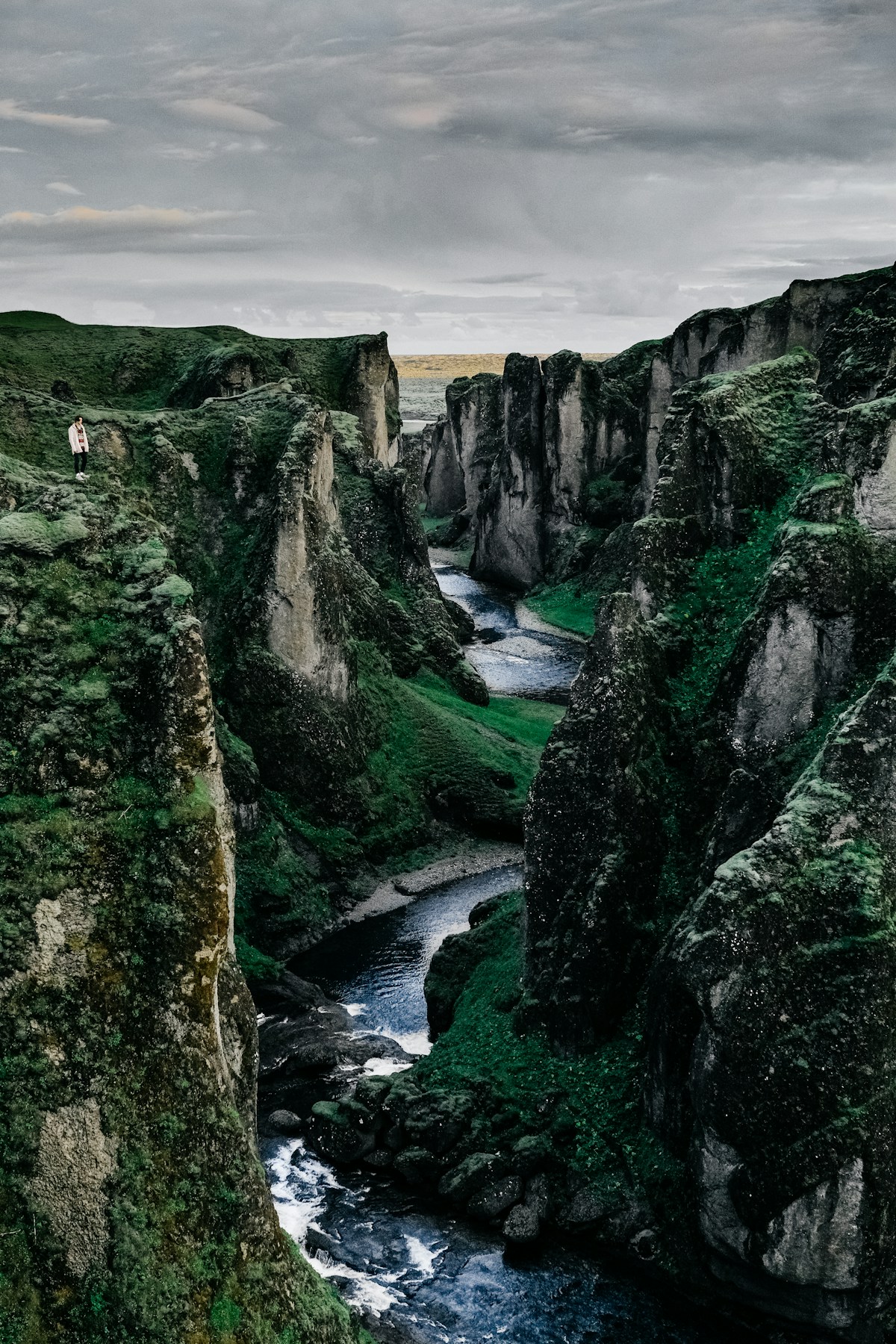
The best approach? If the Blue Lagoon specifically calls to you and budget allows, go—but outside peak hours and with realistic expectations about crowds. If you're more interested in the experience of geothermal bathing than checking off a famous landmark, explore alternatives that offer more space, lower prices, and equally stunning Icelandic landscapes without the tourist machinery.