
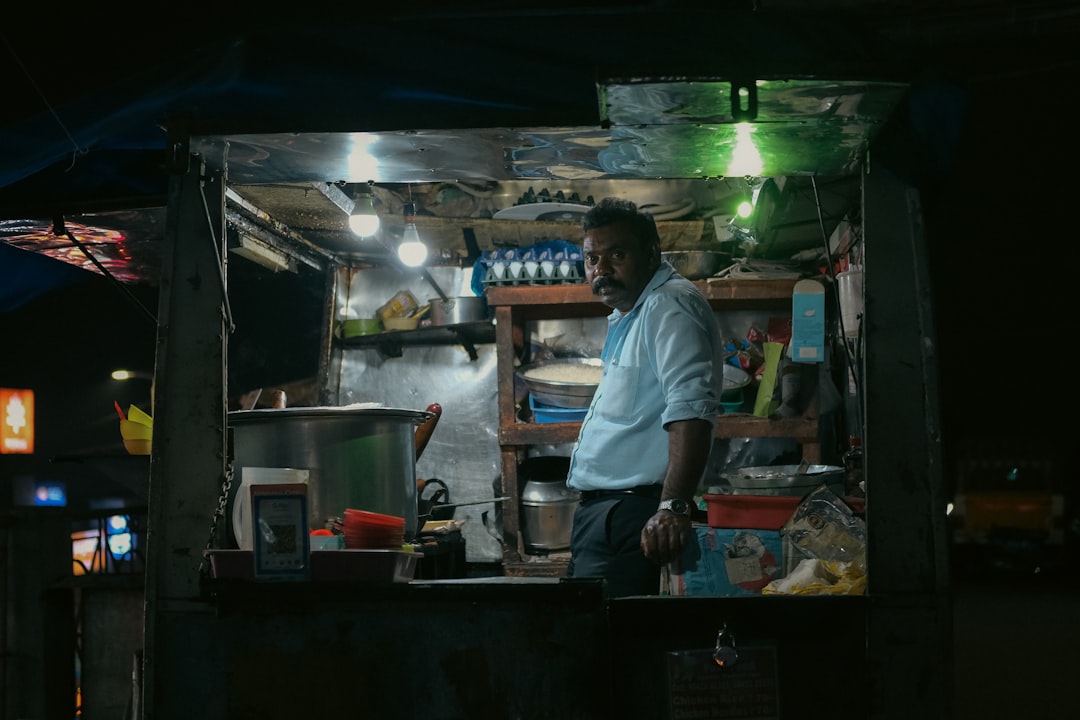
Small restaurant owners in Bengaluru are paying up to ₹5,000 for a single domestic LPG cylinder on the black market—five times the official subsidized price—as the Strait of Hormuz crisis chokes India's cooking gas supply and exposes the vulnerabilities of the world's most populous nation's energy infrastructure.
The unprecedented shortage has created a thriving underground market in Karnataka's capital, where small eateries unable to secure commercial cylinders are forced to purchase residential cooking gas at astronomical prices just to keep their kitchens running. The Hindu reported that scores of small restaurant operators, tiffin centers, and street food vendors have turned to black market suppliers as legitimate commercial LPG stocks have dwindled to critically low levels.
In India, as across the subcontinent, scale and diversity make simple narratives impossible—and fascinating. The crisis affects an estimated 340 million households that rely on LPG for cooking, but the impact cascades differently across India's complex economic landscape. While middle-class homes can ration their subsidized cylinders, small businesses operating on razor-thin margins face an impossible choice: pay extortionate black market rates or shut down operations entirely.
The Bengaluru black market phenomenon reflects broader supply disruptions triggered by the ongoing military tensions in the Strait of Hormuz, through which India imports a substantial portion of its petroleum products. Government sources acknowledge the supply crunch but have yet to announce concrete measures to stabilize the commercial LPG market, even as the central government considers rationing measures including reducing the standard 14.2 kg cylinder size to 10 kg.
The energy crisis arrives at a particularly challenging moment for India's aspirations as a rising economic power. The nation's 8-9 million commercial establishments dependent on LPG now face operational uncertainty, threatening employment for millions of workers in the food service sector. Industry representatives have called for emergency imports and relaxation of distribution controls, but bureaucratic approval processes have slowed response times.
For Bengaluru's small business owners, the mathematics are brutal. A tiffin center operator who previously spent ₹1,000 per commercial cylinder now faces ₹5,000 for inferior domestic supply, wiping out already minimal profit margins in one of India's most expensive cities. Many have begun passing costs to customers, contributing to food inflation in urban centers, while others have reduced operating hours or switched to less efficient alternatives like firewood.