
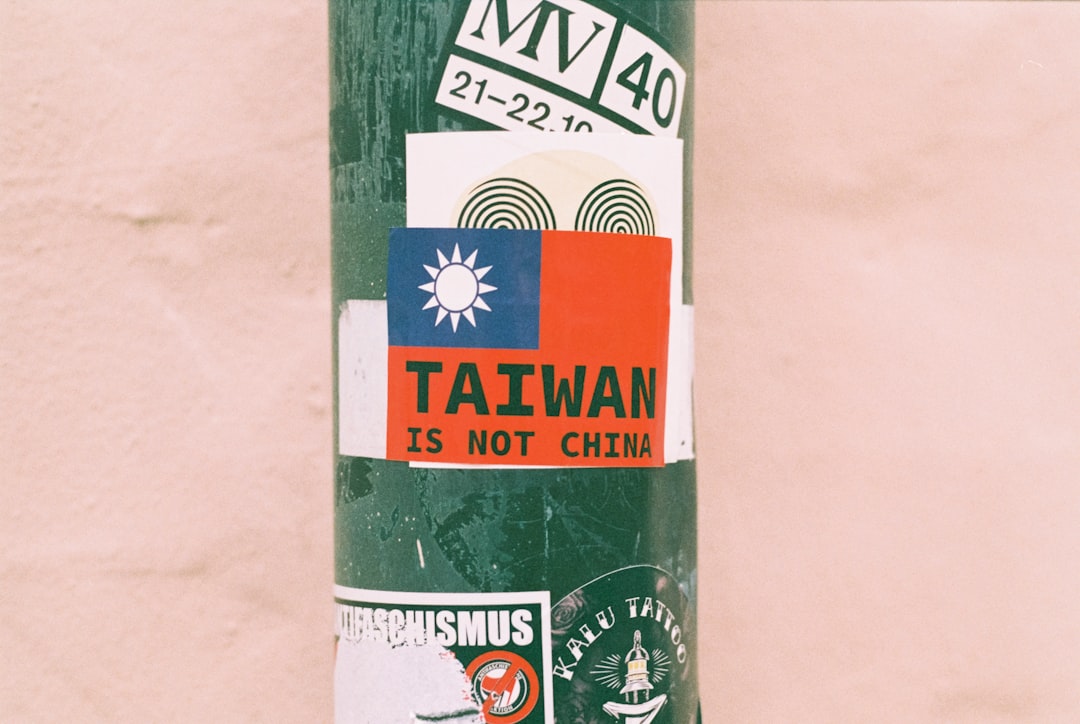
Taiwanese actress and model Lin Chi-ling withdrew from her appointment to Taiwan's Creative Content Agency board on May 21, days after Beijing criticized the organization as "a political tool" advancing cultural independence messaging. The episode illustrates the soft power coercion mechanism through which the Chinese Communist Party enforces political loyalty among cross-strait public figures.
A spokesman for Beijing's Taiwan Affairs Office praised Lin's withdrawal, according to the South China Morning Post, stating it was "wise for figures in Taiwan's cultural and artistic circles to recognise the true nature of these agencies." The statement accused the Taiwan Creative Content Agency of distorting history and hyping the "mainland threat" through funded productions.
The mechanism of control is straightforward: Taiwanese celebrities who maintain careers in the vast Chinese market face implicit pressure to align with Beijing's political positions or risk losing access to mainland audiences, endorsements, and film opportunities. Lin, who has made pro-Beijing statements including public congratulations for China's October 1 National Day, likely calculated that accepting the TAICCA board position would jeopardize her commercial prospects in China.
In China, as across Asia, long-term strategic thinking guides policy—what appears reactive is often planned. Beijing's campaign against TAICCA reflects broader CCP concerns about cultural production that challenges the party's narrative on Taiwan. The agency has funded projects including the 2019 film Detention and television series Zero Day, works that Beijing views as promoting independence sentiment through historical and contemporary storytelling.
Lin's May 13 appointment alongside producer Liu Szu-ming and actress Chen Shiang-chyi sparked criticism from Taiwan's cultural community, which cited her mainland-friendly positions as incompatible with an agency tasked with promoting Taiwanese cultural identity. Taiwan's culture minister defended the appointments by noting the positions are unpaid and involve no control over government funding allocation.
The withdrawal, announced with language about avoiding "non-factual speculation and misunderstandings," follows a pattern of Taiwanese public figures retreating from positions that Beijing opposes. The dynamic reveals the asymmetry of cross-strait influence: while Taiwan's market offers limited commercial opportunity for mainland artists, China's vast economy gives Beijing substantial leverage over Taiwanese celebrities dependent on mainland revenue.
For Taiwan's cultural sector, the episode demonstrates the constraints on building institutions that assert distinct Taiwanese identity. TAICCA's mandate includes promoting Taiwanese creative content globally, but any figure associated with the agency risks Beijing's ire and potential exclusion from the Chinese market. The result is a chilling effect on participation by high-profile Taiwanese artists, limiting the agency's cultural reach and credibility.