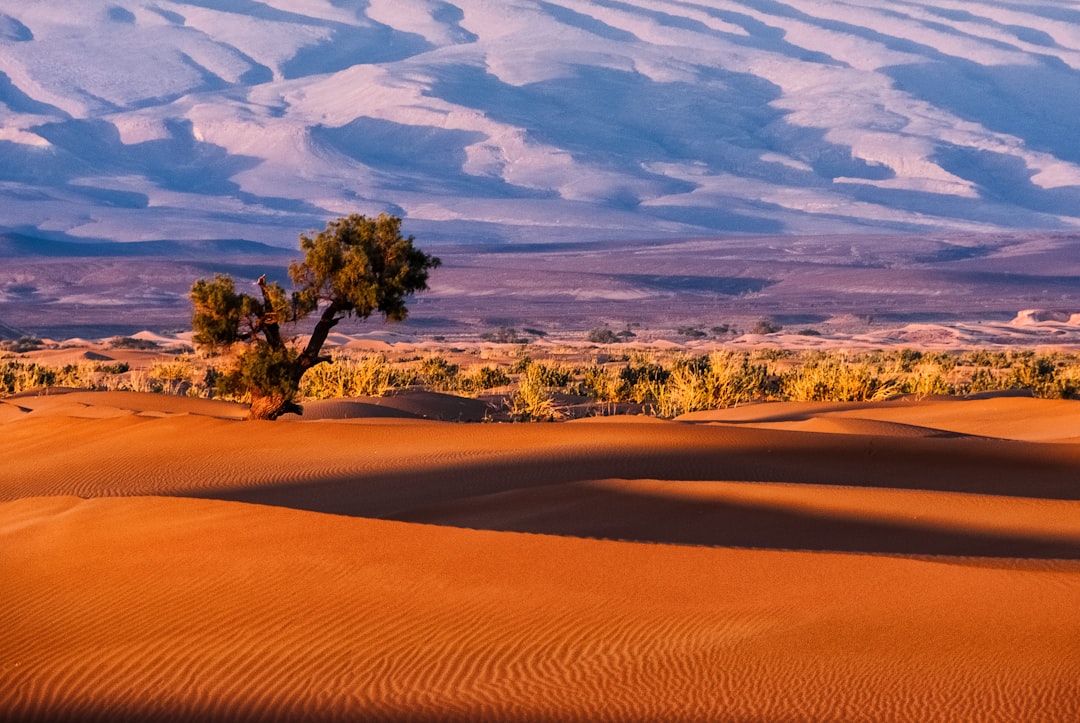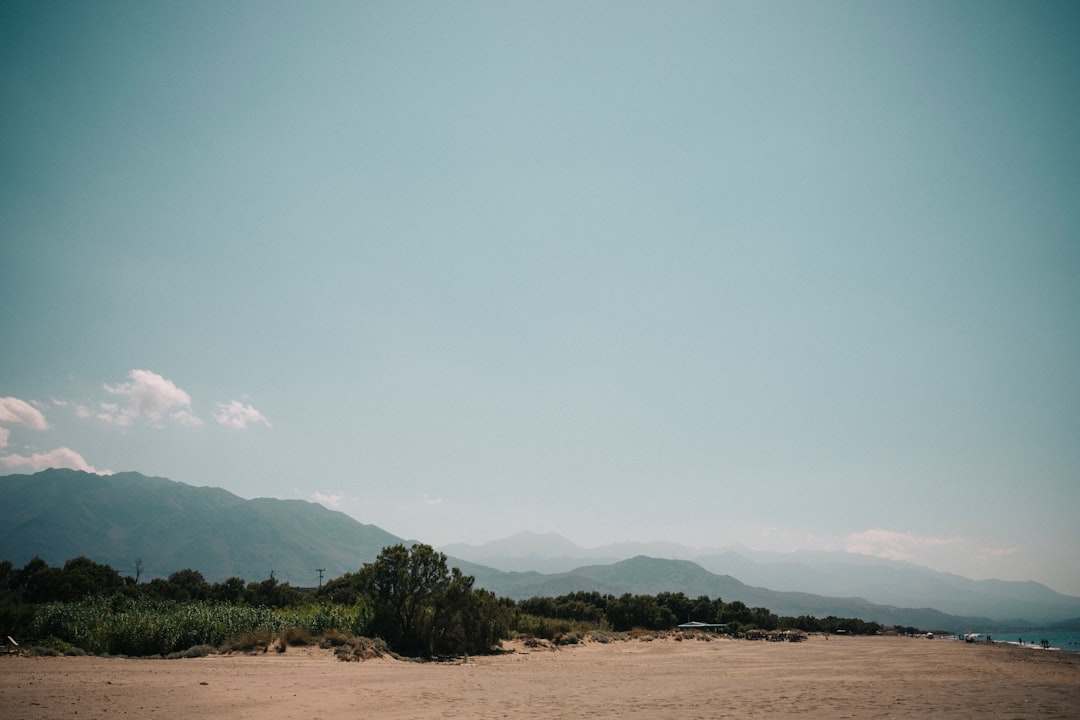
A traveler's r/travel post about the eternal "beaches or mountains" debate sparked 41 comments examining what draws people to each landscape. The consensus: beaches restore you, mountains transform you, and the preference often shifts with age and life circumstances.
"Beaches are great, can't lie. You wake up, swim, eat something fried, nap, swim again, drink something with a fruit in it, sleep. Repeat for a week. Brain completely off," wrote the original poster.
"But mountains man. Mountains do something else to you. You're sweating, freezing, can't breathe, questioning every life decision, and then you look up and there's just... this thing in front of you that doesn't care you exist. And somehow that's the part you remember years later."
This captures the fundamental difference: beaches offer escape; mountains offer challenge.
The case for beaches:
Beaches provide restorative travel. The rhythm of waves, the simplicity of sun-swim-eat-sleep, the permission to do absolutely nothing productive—it's travel as recovery.
Beach destinations reward surrender. You're not conquering anything. You're letting the ocean set the pace while you read, nap, and consume tropical drinks. For people exhausted by work, responsibility, or the general grind of modern life, beaches deliver exactly what's needed: permission to stop.
Beach travel is also more accessible. You don't need fitness, technical skills, or specialized gear. You need sunscreen and swimwear.
The case for mountains:
Mountains provide transformative travel. The physical challenge, the exposure to weather and altitude, the humbling scale of peaks that existed long before humans and will outlast us—mountains force perspective shifts.
Mountain travel demands engagement. You can't passively consume alpine landscapes. You have to earn them through effort, discomfort, and sometimes genuine risk. That effort creates memories that beach weeks, despite being pleasant, rarely match.