
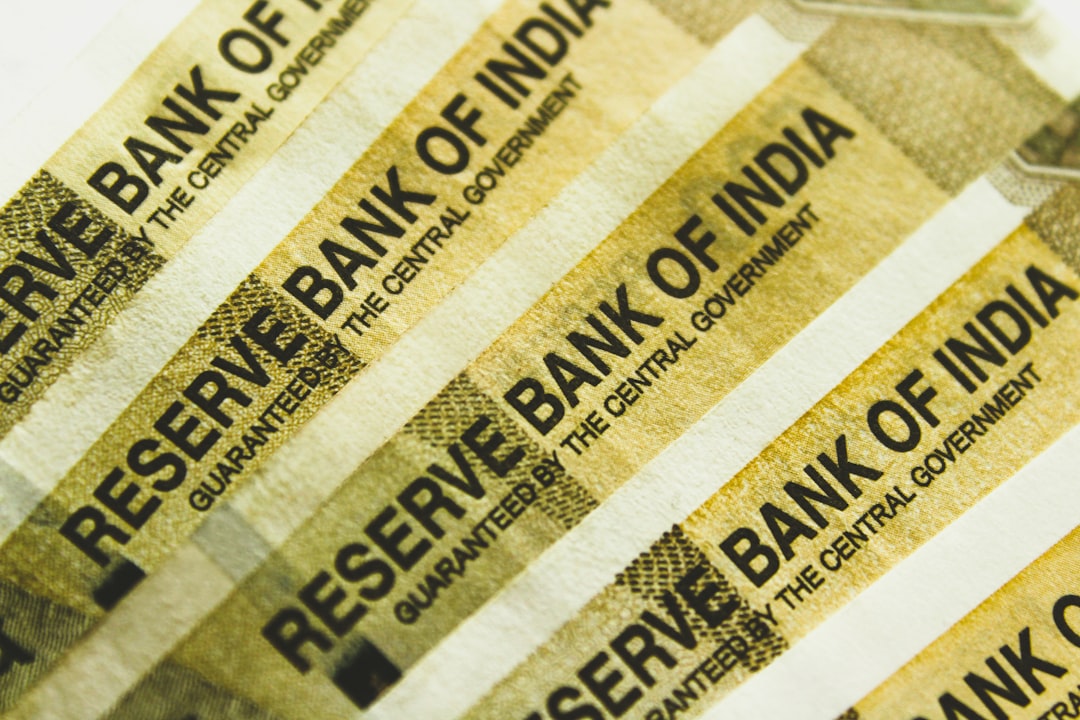
Bank of America has significantly downgraded its economic outlook for India, cutting fiscal year 2027 GDP growth projections to 6.5 percent from a previous estimate of 7 percent while raising inflation forecasts to 5.2 percent from 4.7 percent—a revision that challenges the increasingly strained "India century" narrative.
The forecast adjustment, led by BofA economist Rahul Bajoria, stems primarily from elevated crude oil prices driven by escalating tensions in the Middle East. The bank now assumes a baseline crude price of $92.50 per barrel, up sharply from its prior $77.50 estimate, with warnings of "1-2 percentage point downside risk to our growth projections" if regional conflict intensifies further.
For a country that imports roughly 85 percent of its oil requirements, the revision exposes the fragility of India's growth model when external conditions deteriorate. The higher energy costs don't just impact headline GDP numbers—they cascade through the economy, from manufacturing costs to transportation expenses to household budgets, creating inflationary pressures that constrain consumption and investment.
Recent economic indicators paint a concerning picture. Manufacturing activity has fallen to its lowest level since mid-2022, with cost inflation reaching a 43-month peak. The Purchasing Managers' Index decline reflects factories struggling with rising input costs while facing weakening demand—a combination that typically precedes margin compression and employment pressures.
The real-world impact is already visible in granular data. Air traffic contracted a sharp 18 percent year-over-year in March as surging aviation fuel costs forced airlines to raise fares, dampening travel demand. While vehicle sales and credit growth have remained relatively stable, these pockets of resilience may not withstand sustained energy price pressure.
In India, as across the subcontinent, scale and diversity make simple narratives impossible—and fascinating. The slowdown's impact will vary dramatically across the country's 28 states and 8 union territories. Energy-intensive states like Gujarat and Maharashtra, with large manufacturing bases, face particularly acute pressures. Agricultural states may see input cost inflation for diesel and fertilizers squeeze already-thin farm incomes, adding to rural distress.
Bank of America expects the Reserve Bank of India to respond with a hawkish monetary policy shift, projecting "50 basis points of rate hike in FY27." This represents a significant policy pivot for a central bank that has spent recent quarters attempting to support growth amid global uncertainty. The analysis suggests deteriorating growth-inflation dynamics will force the RBI's hand, particularly as higher energy costs transmit through wholesale pricing chains within one to three months.
The prospect of tighter monetary policy amid slowing growth creates a classic policy dilemma. Higher interest rates may be necessary to contain inflation and stabilize the rupee, but they also risk further dampening investment and consumption at precisely the moment the economy needs support. For a country targeting 8 percent-plus growth to generate sufficient employment for its young population, the 6.5 percent forecast represents a substantial shortfall.
The revision also carries implications for India's fiscal position. Lower growth typically means lower tax revenues, constraining the government's ability to maintain infrastructure investment and social spending. With state elections looming and a general election on the horizon, the political pressure to maintain spending will collide with fiscal arithmetic in potentially uncomfortable ways.
Global investors have poured billions into Indian equities and debt in recent years, betting on the country's growth story and demographic dividend. But macroeconomic deterioration can quickly reverse those flows. Foreign portfolio investors watch both growth and inflation closely—and the combination of slower expansion with higher price pressures typically triggers risk reassessment.
The forecast downgrade underscores India's continued vulnerability to external shocks despite significant economic progress over the past decade. Digital infrastructure advances, manufacturing policy initiatives, and services sector dynamism have transformed aspects of the economy. But structural dependencies—on imported energy, on global financial flows, on export markets—remain powerful constraints on economic sovereignty.
Whether India's economy outperforms or underperforms the revised 6.5 percent forecast will depend heavily on factors beyond policymakers' control: the trajectory of Middle East conflicts, global commodity prices, and Federal Reserve policy decisions that influence capital flows to emerging markets. For a country with global leadership ambitions, that external dependency represents both a practical constraint and a strategic vulnerability.
The Bank of America revision serves as a sobering counterpoint to triumphalist economic rhetoric. India's economy continues to grow faster than most major economies, and its long-term potential remains substantial. But realizing that potential requires navigating treacherous near-term currents—and the currents, increasingly, are flowing in difficult directions.