

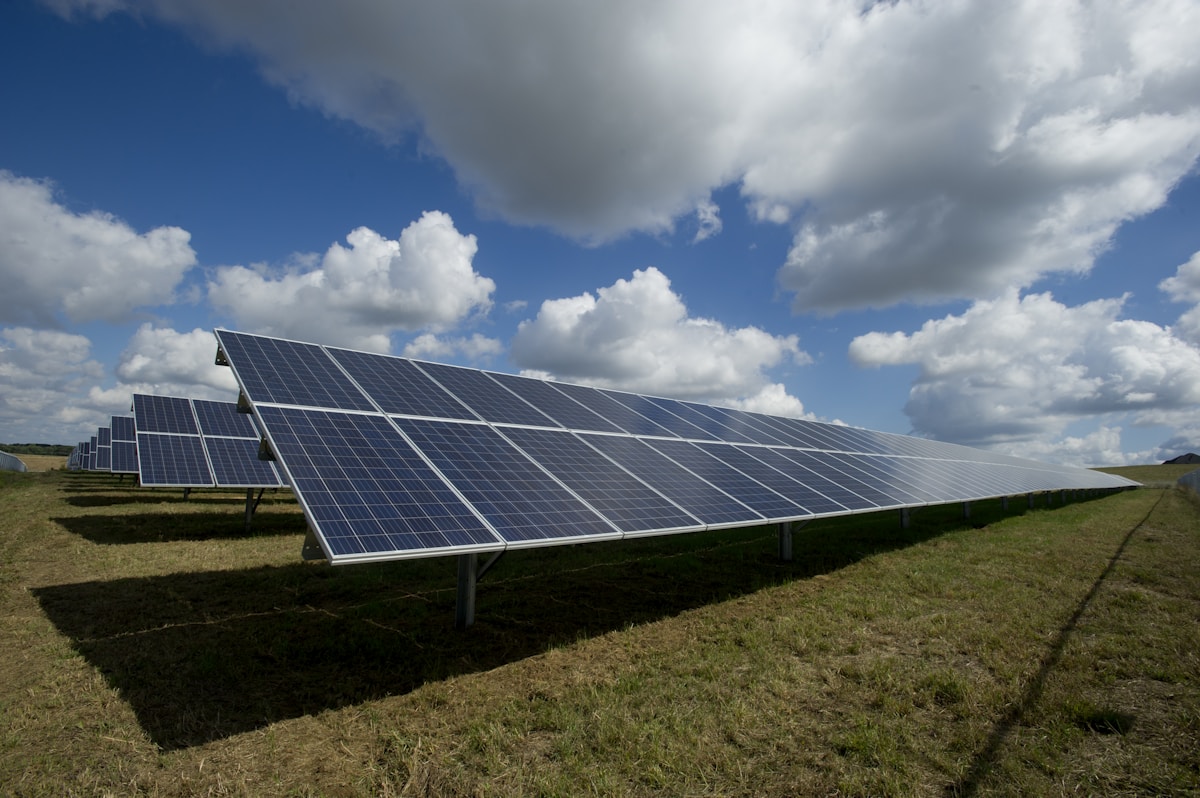
Factories across Bangladesh have installed more than 500 megawatts of rooftop solar power, as manufacturers scramble to protect production from gas shortages, grid instability, and rising energy costs in the garment-export dependent economy.
Solar developers expect another 500MW of rooftop capacity to be added this year, driven by pressure from global buyers to cut emissions and higher grid electricity tariffs. The rapid expansion represents crisis-driven innovation in a country where 4 million garment workers depend on reliable factory power.
When the Grid Fails, Solar Delivers
The shift has gathered pace over the past year and is now deemed more essential than ever. The ongoing Middle East war threatens to disrupt fuel shipments through the Strait of Hormuz, a vital route for the liquefied natural gas and oil imports that Bangladesh depends on for power generation.
"We installed solar panels after losing three days of production to load shedding last year," said factory managers in Gazipur responsible for producing garments for European retailers. "Those three days cost us more than the entire solar installation."
While rooftop solar cannot fully meet demand - most factories still require grid power for full operations - it can sustain critical operations for three to four hours, covering 15-20% of total power needs. That's enough to prevent costly shutdowns during grid outages.
Following the Buyers
Global fashion brands have increasingly demanded that their suppliers reduce carbon emissions. For Bangladesh, the world's second-largest garment exporter after China, meeting these requirements is essential to maintaining market access.
"European and American buyers now ask about our renewable energy usage," explained manufacturers. "Without it, we risk losing orders to competitors in Vietnam or India."
The $50 billion garment industry accounts for 85% of Bangladesh's exports and employs 4 million workers, mostly women. Any threat to the industry's competitiveness affects millions of livelihoods.
Economics Drive Adoption
Rising electricity tariffs have made solar increasingly attractive financially. Grid power costs have increased 40% over the past two years as the government reduces subsidies and passes through higher fuel import costs.
"Solar pays for itself in four to five years now," calculated solar installation companies working with factories. "After that, the electricity is essentially free."
The installations range from small operations with 50kW systems to massive garment complexes with multi-megawatt arrays covering entire rooftops. Financing has become easier as banks recognize solar as a sound investment.
Can Growth Continue?
The expansion raises questions about whether solar growth can continue without stronger government support. Current installations have happened despite limited policy backing, not because of it.
Bangladesh lacks feed-in tariffs that would allow factories to sell excess solar power back to the grid. Net metering policies remain limited. Import duties on solar equipment remain high, increasing costs.
"Imagine if the government actually supported this transition," said renewable energy advocates. "We could add gigawatts, not just megawatts."
The country's solar potential is enormous. Bangladesh receives strong sunlight for much of the year. Thousands of factories have suitable rooftop space. Industrial demand is substantial and growing.
Workers Feel the Impact
For garment workers at factories in Dhaka, the solar panels mean job security. "When there's load shedding at factories without solar, workers get sent home without pay," explained workers. "Here, we keep working."
The energy crisis affects workers directly. Production delays mean lost overtime pay. Factory closures can lead to layoffs. Unreliable power undermines Bangladesh's reputation as a reliable supplier, threatening orders.
Solar provides a buffer against these risks, though it's not a complete solution. Factories still need grid power, gas supplies, and stable fuel imports for full operations. But 500MW of solar is 500MW that doesn't depend on gas pipelines or fuel shipments through conflict zones.
A Model for South Asia?
Bangladesh's factory solar boom could offer lessons for other South Asian countries facing similar energy challenges. Pakistan, Sri Lanka, and India all struggle with grid reliability and rising energy costs.
What Bangladesh demonstrates is that industries will adopt renewable energy when economics and reliability align - with or without government support. The question is whether policymakers will recognize this shift and create frameworks to accelerate it.
For 4 million garment workers, the answer matters enormously. Their jobs depend on factories staying competitive and keeping the lights on. Solar panels on factory rooftops aren't just about emissions - they're about economic survival in an uncertain energy future.


/file/dailymaverick/wp-content/uploads/Becs-roelfmeyer2.jpg)