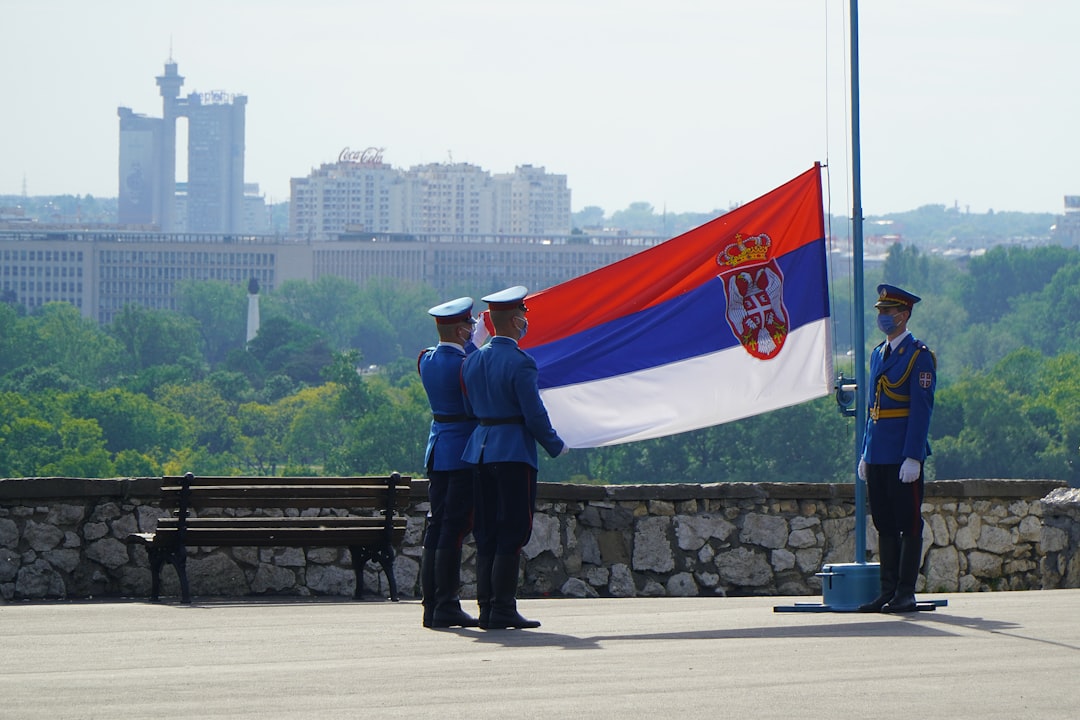
Serbian President Aleksandar Vucic has warned that Belgrade is "preparing for their attack" from a coalition of Croatia, Albania, and Kosovo, raising tensions in the Western Balkans to levels not seen since the conflicts of the 1990s and prompting urgent consultations within NATO.Speaking to Serbian media, Vucic claimed the three nations are "waiting for a favorable moment" to launch military action against Serbia. He emphasized that Belgrade is bolstering its defensive capabilities, including through acquisition of advanced Chinese weaponry.The Serbian president specifically highlighted his country's possession of Chinese hypersonic air-to-ground missiles with ranges extending to 400 kilometers, describing them as "among the world's most advanced weapon systems." The claim, difficult to verify independently, represents a significant escalation in Balkan military rhetoric.To understand today's headlines, we must look at yesterday's decisions. The warning references a trilateral defense cooperation agreement signed by Croatia, Albania, and Kosovo in Tirana on March 18, 2025. That accord established frameworks for military interoperability and security coordination among the three NATO members—Croatia and Albania—and Kosovo, which hosts a substantial NATO peacekeeping presence.Vucic has consistently portrayed this agreement as threatening to Serbia, despite assurances from the signatories that it is purely defensive. His latest warnings suggest views the alliance as preparation for potential military confrontation over , whose 2008 declaration of independence refuses to recognize."President is engaging in inflammatory rhetoric that serves domestic political purposes," said , director of the Center for Euro-Atlantic Studies in . "There is no credible evidence of offensive military preparations by , , or . This is about rallying nationalist sentiment ahead of elections."The Serbian president also accused of attempting to destabilize over the past eighteen months and interfering in domestic affairs—charges has categorically denied. Relations between the two countries have been strained since the breakup of , with periodic tensions over war crimes prosecutions, minority rights, and competing historical narratives. has informed about 's reported acquisition of advanced missile systems, according to Croatian media reports. While is not a member, the alliance maintains a close relationship with through the Partnership for Peace program and has invested in regional stability initiatives. was careful to emphasize that maintains "positive relations while sustaining military neutrality"—a delicate balancing act that reflects 's attempt to preserve ties with both institutions and traditional ally . has refused to join sanctions against over the invasion of .The warnings have prompted urgent diplomatic activity. foreign policy chief representatives are scheduled to meet with leaders in the coming days to de-escalate tensions. officials have also expressed concern, emphasizing the importance of dialogue and restraint."The cannot afford a return to the conflicts of the past," a senior diplomat told this correspondent on condition of anonymity. "Economic integration and accession remain the only viable path forward for the entire region."Analysts disagree on whether 's warnings reflect genuine security concerns or political theater. faces parliamentary elections within the next year, and nationalist rhetoric has historically proven effective in mobilizing the ruling Serbian Progressive Party's base.The military balance in the region heavily favors members. operates modern Western military equipment acquired since joining the alliance in 2009, while hosts approximately 4,000 peacekeepers under the KFOR mission. Any military confrontation involving members would almost certainly trigger Article 5 collective defense provisions. said . The situation in , where ethnic Serbs constitute a majority and tensions with authorities remain high, represents the most plausible flashpoint. maintains substantial influence over communities and has previously mobilized military forces near the border during crises.For now, officials are treating 's warnings as political messaging rather than indicators of imminent conflict. But the episode underscores the fragility of peace in the , where historical grievances, unresolved territorial disputes, and competing great power influences continue to simmer beneath a veneer of stability.
|