
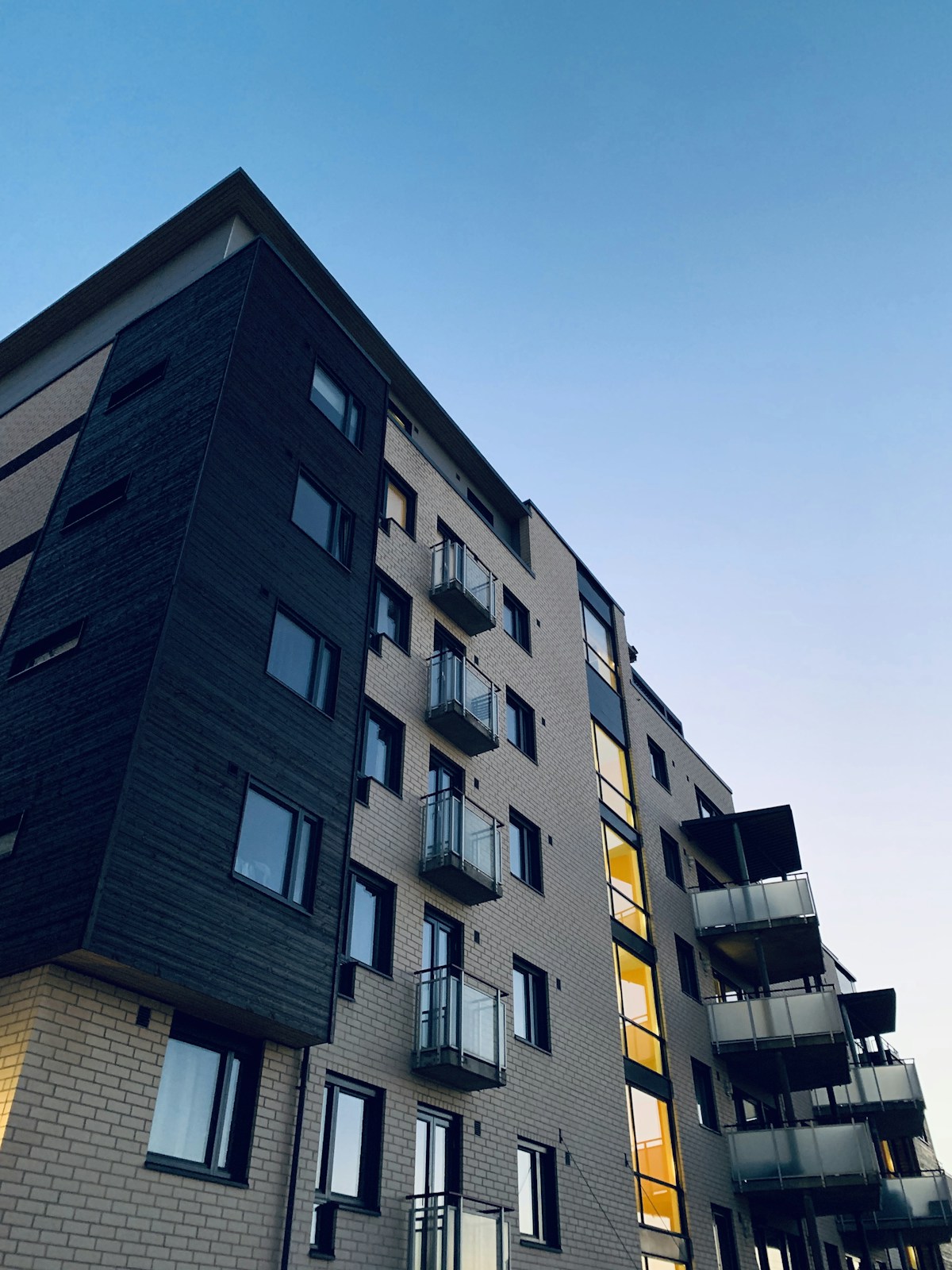
President Prabowo Subianto announced plans to construct one million housing units near industrial zones to reduce commuting burdens for workers, adding to a growing list of populist pledges that raise questions about fiscal priorities and implementation capacity.
The housing promise, reported by Kompas, would aim to address a longstanding complaint among Indonesian industrial workers who often spend hours commuting from affordable housing areas to factory zones, eating into both wages and family time.
"We will build one million homes near industrial areas," Prabowo stated, without providing timelines, financing details, or clarifying whether the units would be subsidized rentals, affordable purchases, or employer-provided housing.
The announcement continues a pattern of ambitious populist pledges since Prabowo's inauguration. He has promised 5% interest rate consumer loans, reduced commissions for ride-hailing drivers, free nutritious school meals, and accelerated infrastructure development—all while also pursuing expensive defense modernization and the new capital city project in Kalimantan.
In Indonesia, as across archipelagic democracies, unity in diversity requires constant negotiation across islands, ethnicities, and beliefs. Worker housing near industrial zones addresses a genuine need, but the scale of the promise invites skepticism about implementation.
Indonesia's major industrial zones—concentrated in Java, Batam, and parts of Sumatra—already face housing shortages, with land costs near factories often exceeding what workers can afford. A million-unit program would require massive land acquisition, infrastructure investment, and coordination across multiple levels of government and private developers.
The fiscal implications are substantial. Even at modest construction costs of $15,000 per unit, a million-home program would require $15 billion in capital—a significant sum for a government already managing competing priorities and fiscal constraints that recently led to cutting railway crossing guards in due to budget pressures.