While most countries saw travel costs spike post-pandemic, Argentina went the opposite direction—and travelers are taking notice.
A couple just returned from two weeks covering Buenos Aires, Patagonia (El Chalten and El Calafate), and Iguazu Falls reported an "amazing" trip on r/travel, joining a wave of visitors discovering exceptional value following Argentina's currency devaluation.
The country's economic challenges have created a perfect storm for international travelers with hard currency: world-class destinations at developing-country prices.
The Argentine peso has lost significant value in recent years, making everything from five-star hotels to Patagonian treks dramatically more affordable for visitors carrying dollars, euros, or pounds. What used to be a mid-range destination now delivers luxury experiences at budget prices.
Experienced South America travelers report that Argentina now offers better value than traditionally cheaper neighbors like Bolivia and Peru—at least for those with access to favorable exchange rates.
"Steak dinners with wine that would cost $80 in the U.S. are $15-20 in Buenos Aires," wrote one recent visitor. "Nice hotels in Patagonia that should be $200/night are going for $60-80. It's almost absurd."
But the value extends beyond favorable exchange rates. Argentina offers extraordinary diversity in a single country:
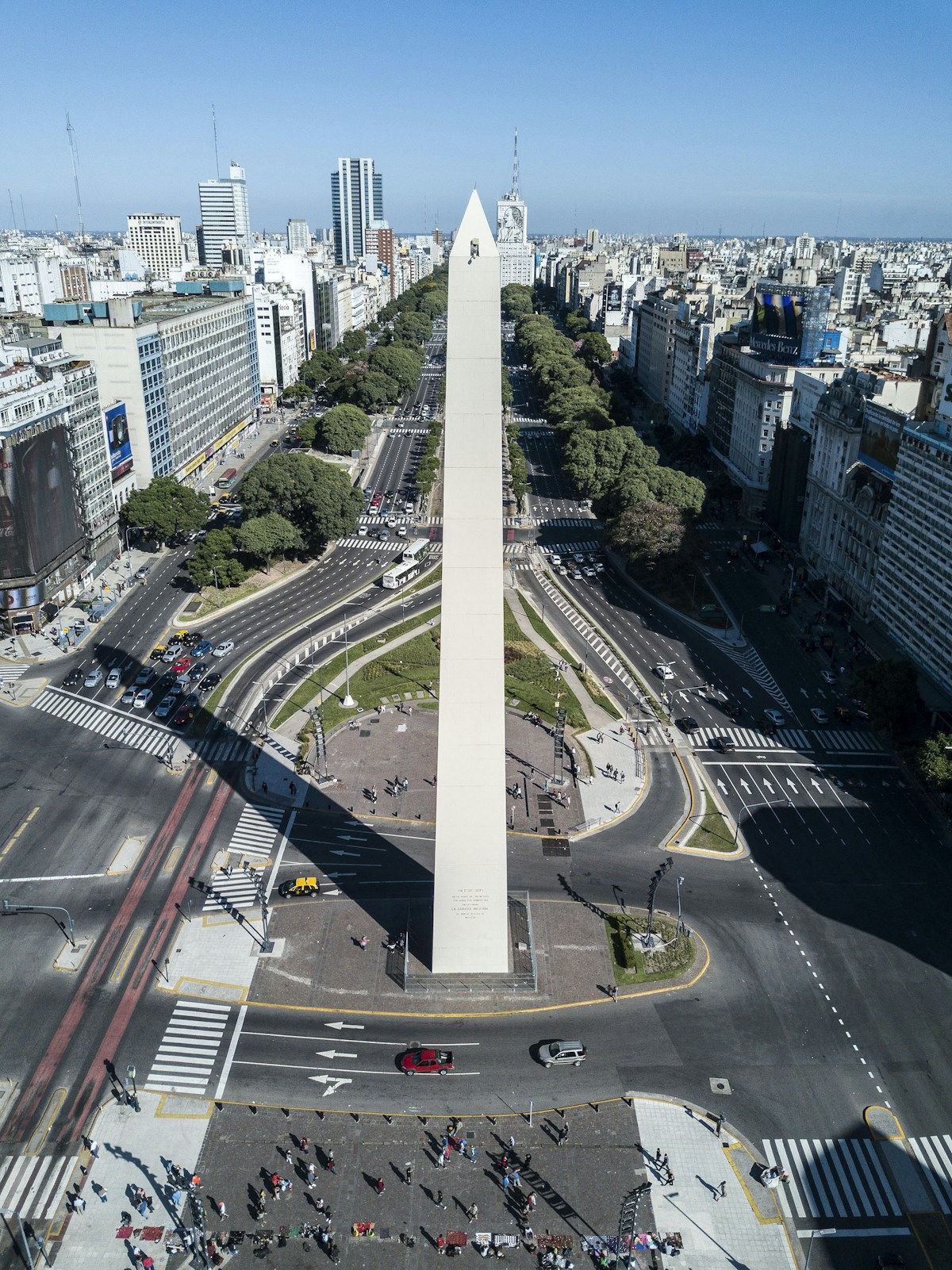
Buenos Aires combines European architecture, world-class steak, tango culture, and vibrant nightlife. Travelers report spending $40-60/day including nice accommodation, multiple restaurant meals, and cultural activities.
Patagonia delivers some of the planet's most spectacular mountain scenery. El Chalten, the trekking capital, offers free day hikes to glaciers and mountain lakes that rival anything in the Alps or Rockies. El Calafate provides access to Perito Moreno Glacier, one of the world's few advancing glaciers.
Iguazu Falls, on the border with Brazil, rivals Victoria Falls and Niagara for sheer power and scale. The Argentine side offers intimate walkways that bring you face-to-face with the cascades.
Travelers also praised destinations beyond the standard circuit: Mendoza for wine country, Salta for Andean culture, and Ushuaia—the world's southernmost city—for dramatic landscapes and Antarctica cruise departures.
A realistic budget breakdown for 2026:
Accommodation: Hostels $8-15/night, mid-range hotels $30-60, nice hotels $60-100
Food: Street empanadas $1-2, casual restaurant meals $8-12, nice steakhouse dinners $15-25
Transport: Long-distance buses are comfortable and cheap ($30-60 for 12-20 hour journeys). Domestic flights have increased but remain reasonable ($80-150 for popular routes).
Activities: Many hiking trails are free. Glacier tours $50-80. Wine tastings $20-40.
A comfortable two-week trip covering Buenos Aires, Patagonia, and Iguazu—like the Reddit poster's itinerary—runs $1,500-2,500 per person including domestic flights, mid-range accommodation, and regular restaurant meals. Budget backpackers can do it for $1,000-1,500. Luxury travelers report $3,000-4,000.
How long will this value window last?
That's the question on every travel planner's mind. Argentina's economy is notoriously volatile. Previous devaluations created similar travel bargains that lasted 2-3 years before inflation caught up or the currency stabilized.
Savvy travelers are booking now, anticipating that prices will adjust as more visitors discover the value and local businesses adapt their pricing to capture more tourist spending.
The other consideration is timing within the year. Argentina is in the Southern Hemisphere, so seasons are reversed. December-February is summer (and high season for Patagonia). March-May and September-November offer shoulder-season weather with lower prices and fewer crowds.
The best travel isn't about the destination - it's about what you learn along the way. And Argentina teaches a valuable lesson: economic turbulence creates opportunities for travelers willing to pay attention. The same destination that seemed out of reach last year might be the bargain of a lifetime today.