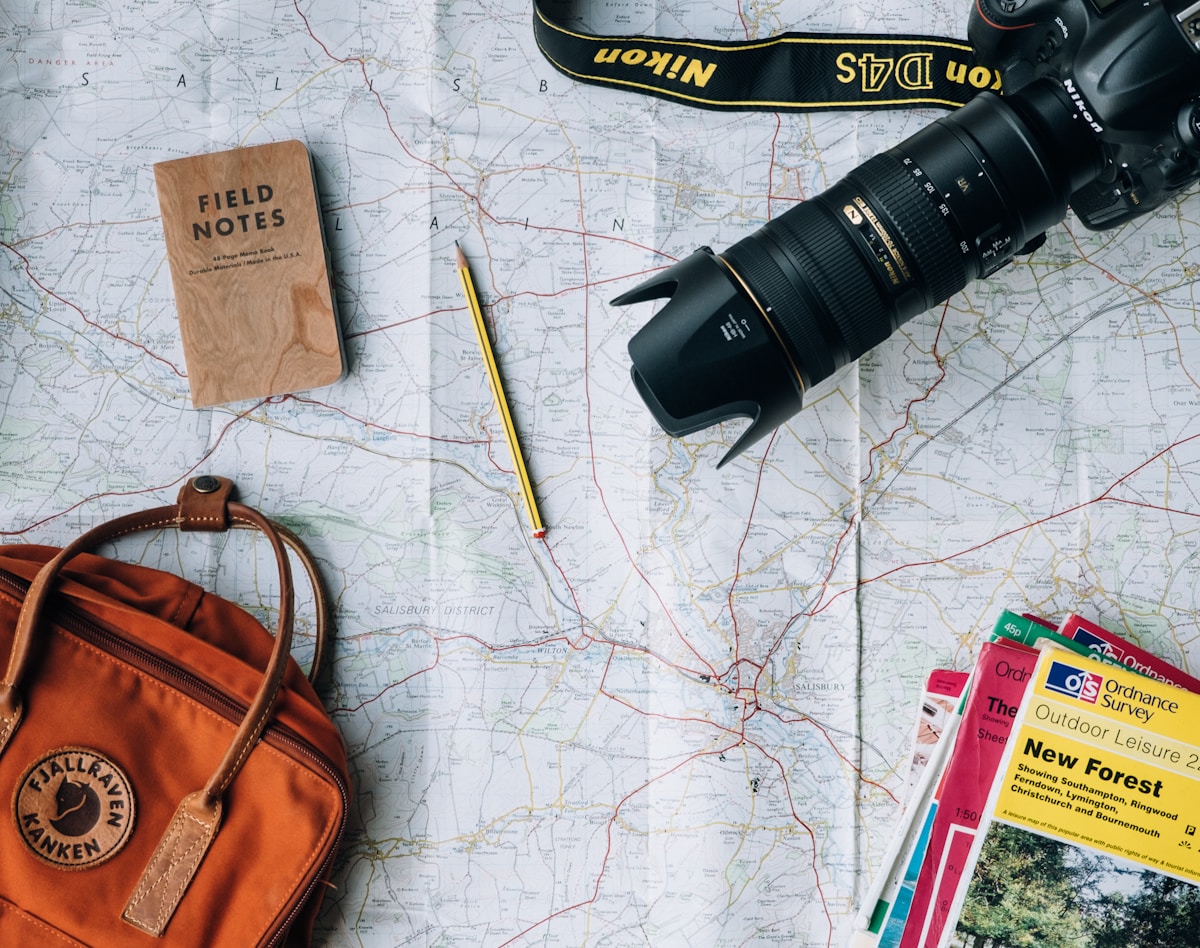
A Swedish 22-year-old planned a five-month backpacking trip from Sri Lanka to South America starting April 15th. With the Persian Gulf crisis blocking 20% of global oil supply, she's wrestling with whether rising fuel costs will strand her mid-trip or if it's even safe to go.
The question addresses the elephant in the room that many backpackers are quietly asking: how are current Middle East tensions affecting travel plans, flight routes, and budget calculations?
According to a post on r/backpacking, the traveler recently quit her job for this trip and won't be able to backpack again for several years once she starts university in September. Her planned route spans Sri Lanka, Nepal, and Kyrgyzstan before returning home for her brother's graduation, then continuing to Guatemala, Peru, and Bolivia.
She's found relatively cheap tickets to Colombo, Sri Lanka directly from London or Frankfurt that don't fly over the Middle East. Return tickets from Kyrgyzstan via Istanbul to Sweden also avoid affected Middle Eastern airspace. So I should be good, right? she asks.
But her concern goes deeper than just initial flights. With the Persian Gulf blocked off — crucial to 20% of global oil supply — she's afraid increasing oil prices will push flight ticket prices far beyond affordable levels, potentially stranding her somewhere in Asia until prices drop again.
This represents a real dilemma for long-term backpackers operating on tight budgets. A six-month trip planned around $30-40 daily costs can be derailed if flights suddenly double in price. Being stuck in a country waiting for affordable flights means burning through savings with no clear timeline.