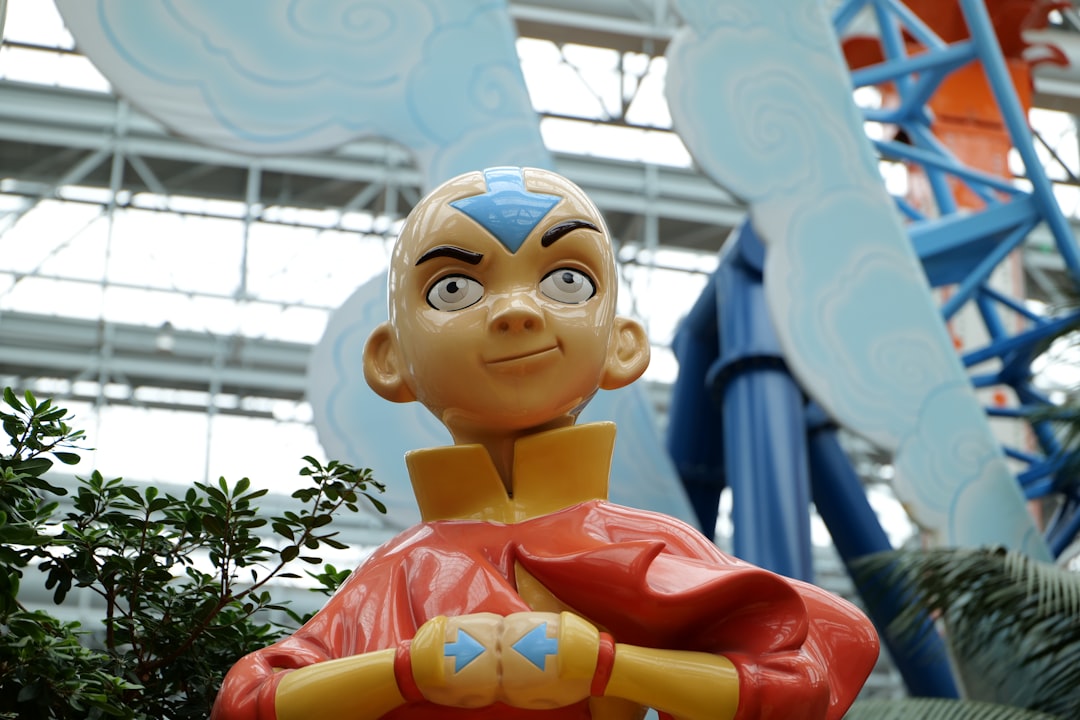
Let's address the elephant in the room first: yes, there was a Last Airbender movie in 2010. No, we don't talk about it. M. Night Shyamalan's adaptation was so universally reviled that it became a cautionary tale about what happens when you fundamentally misunderstand your source material. Now, 16 years later, we're trying again.
Avatar Aang: The Last Airbender has wrapped production, and the early signs suggest this could be the redemption story the franchise deserves. Paramount and Nickelodeon are positioning this as the first in a new theatrical trilogy, separate from the successful Netflix live-action series.
This is franchise expansion done carefully. The Netflix series proved there's appetite for live-action Avatar content when it's handled with respect. Animated films The Legend of Korra continues the universe. Comic books fill in gaps. And now a theatrical trilogy aims to bring Aang's original story to the bigscreen in a way that honors Michael Dante DiMartino and Bryan Konietzko's creation.
The key difference this time? The creators are involved. DiMartano and Konietzko famously walked away from the Netflix series over creative differences (though they've since reconciled as the show found its footing). Their involvement here suggests lessons were learned.
Avatar: The Last Airbender is a rare thing: a children's show that never talked down to its audience, dealing with war, genocide, imperialism, and identity with sophistication and heart. Any film adaptation needs to honor that complexity while delivering the martial arts spectacle and bending effects audiences expect.
Can it work? Spider-Man: Into the Spider-Verse proved animation could be cinematic. showed that patient worldbuilding pays off. (the James Cameron one) demonstrated that elemental powers can look stunning on screen. The pieces are there.