
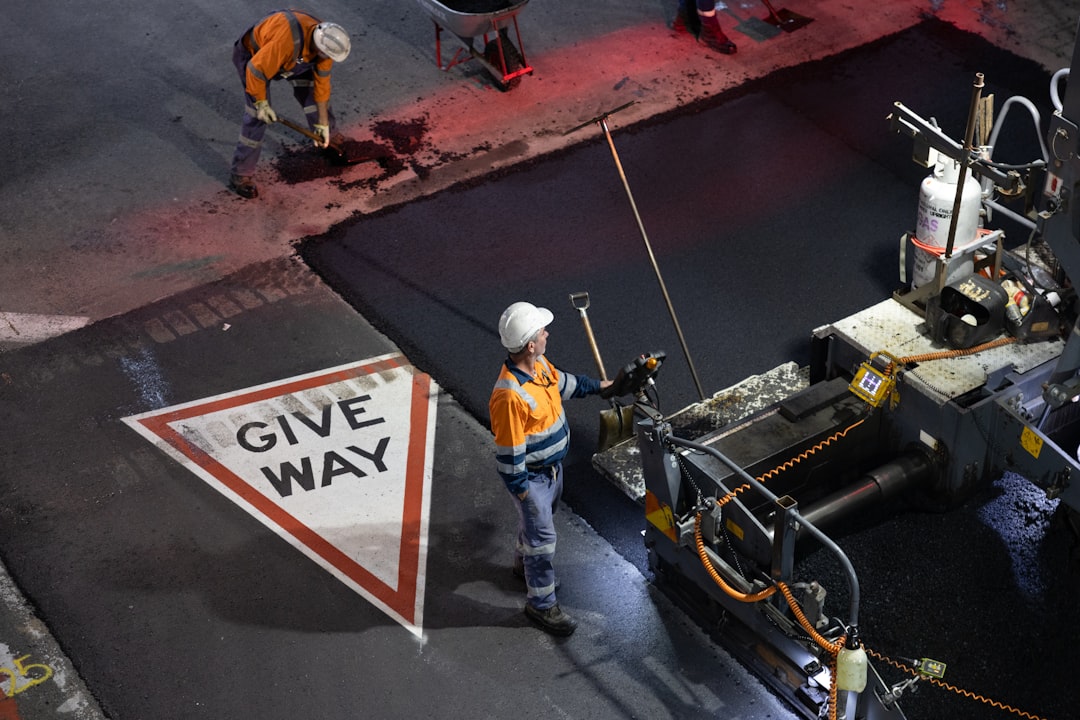
Australia has been forced to lower bitumen quality standards for road construction after supplies were caught up in the Strait of Hormuz disruptions, exposing the nation's vulnerability to supply chains that run through geopolitical flashpoints.
First fuel shortages. Now substandard road materials.
Mate, this isn't just about petrol prices anymore.
From Fuel Crisis to Infrastructure Crisis
The ABC reports that Australia has relaxed bitumen quality specifications after the disruptions in the Strait of Hormuz—the narrow waterway between Iran and the Arabian Peninsula through which roughly 20% of global oil supplies flow—created shortages of the petroleum-based material used in road construction.
The decision highlights just how dependent Australia is on supply chains vulnerable to Middle East conflicts. When tensions flare in the Persian Gulf, suddenly Australians are paving roads with inferior materials because the country lacks domestic alternatives or strategic reserves.
What Does 'Lowered Standards' Actually Mean?
Bitumen is the sticky, black petroleum residue that binds asphalt together. Quality matters. Lower-grade bitumen means roads that crack faster, deteriorate more quickly, and require more frequent—and expensive—repairs.
In a country where road infrastructure connects vast distances across a continent, where regional and rural communities depend on reliable highways for everything from agricultural transport to emergency services, bitumen quality isn't a minor technical detail.
It's the difference between roads that last and roads that don't.
The standards have been lowered to accommodate whatever bitumen Australia can actually source in the current supply crunch. That means accepting material that wouldn't have met previous specifications—material that road engineers know will perform worse over time.
The Strait of Hormuz Problem
The Strait of Hormuz is 150 kilometers of water that represents one of the world's most critical—and vulnerable—trade chokepoints. When Iran and Western powers engage in military brinksmanship, when tanker attacks occur, when sanctions and counter-sanctions escalate, that narrow strait becomes a geopolitical pressure point.
And Australia, sitting on the other side of the Indian Ocean, discovers it's entirely at the mercy of events in the Persian Gulf.
The fuel crisis exposed this vulnerability with petrol and diesel shortages hitting regional areas. The bitumen crisis shows it extends to infrastructure materials. What happens when the next disruption hits? What other supply chains run through the same chokepoint?
No Strategic Reserve, No Domestic Production
Australia has minimal strategic petroleum reserves and limited domestic refining capacity after years of refineries closing due to competition from larger Asian facilities. The country that once prided itself on self-reliance now imports the vast majority of its fuel—and apparently its road-building materials.
The government's response to the fuel crisis focused on short-term measures: fuel excise tax cuts, panic buying management, spot market purchases. There's been no serious discussion of strategic reserves, no plan for domestic production, no acknowledgment that dependence on vulnerable supply chains represents a national security risk.
Now the same pattern is playing out with bitumen. Lower the standards, manage the shortage, hope the Strait of Hormuz settles down.
Building Infrastructure on Borrowed Time
Roads being paved today with lower-grade bitumen will need repairs sooner. That means higher long-term costs, more disruption to regional communities, more infrastructure degradation.
It also means Australia is literally building its future infrastructure on materials it can only access if the Middle East stays calm—which, historically speaking, isn't exactly a safe bet.
There's a whole continent down here that depends on reliable roads to function. Right now, those roads are being built with whatever bitumen can make it through a geopolitical chokepoint 9,000 kilometers away.
Mate, that's not a supply chain. That's a vulnerability.