
Armenia faces a defining moment as voters head to the polls in a snap parliamentary election that will determine whether Prime Minister Nikol Pashinyan's dramatic pivot away from Russia toward the West represents the nation's future—or a dangerous miscalculation that has left the country isolated and vulnerable.
The election, called unexpectedly by Pashinyan's government, comes at a moment of profound uncertainty for this small South Caucasus nation of 3 million. Once firmly within Moscow's orbit, Armenia has spent the past two years systematically distancing itself from its traditional security guarantor, pursuing European Union membership, conducting joint military exercises with the United States, and publicly criticizing the Collective Security Treaty Organization (CSTO), the Russian-led military alliance that failed to support Armenia during critical moments of conflict with Azerbaijan.
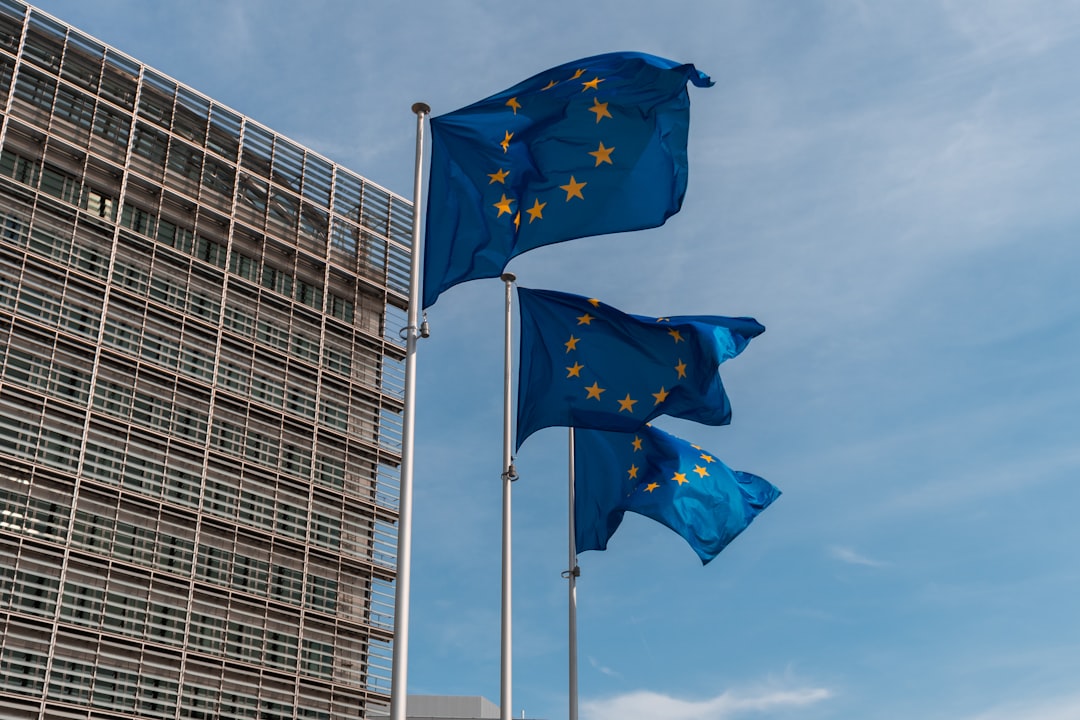
Pashinyan, who came to power in 2018's Velvet Revolution promising democratic reforms and an end to corruption, has framed the election as a referendum on Armenia's geopolitical orientation. "We are choosing between subjugation and sovereignty, between the past and the future," he declared at a campaign rally in Yerevan, where thousands of supporters waved both Armenian and EU flags. "Russia promised us security and delivered only betrayal."
That betrayal, in the Armenian view, came during the catastrophic 2020 Nagorno-Karabakh war, when Azerbaijani forces—backed by Turkey and equipped with advanced drones—reclaimed most of the disputed territory in a six-week offensive that killed thousands and displaced tens of thousands of ethnic Armenians. Russia, despite its treaty obligations, did not intervene militarily. The 2,000 Russian peacekeepers deployed after the ceasefire proved equally ineffective when launched a lightning offensive in September 2023 that the remaining Armenian population from Nagorno-Karabakh, ending the decades-long conflict with a decisive Azerbaijani victory.