The upstart Tisza Party has opened a commanding 71-21 percent lead over Viktor Orbán's Fidesz in Hungarian polls, according to research released Thursday, marking a dramatic reversal of political fortunes that could end 14 years of dominance by the nationalist leader.
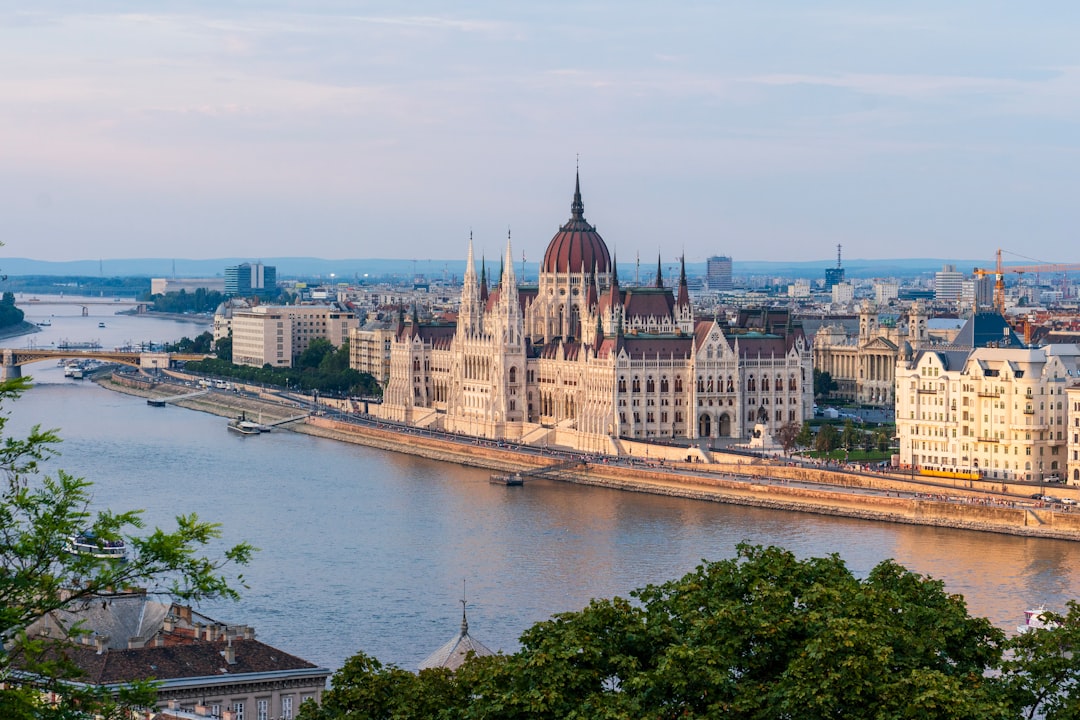
New Prime Minister Péter Magyar has begun the symbolic work of dismantling physical barriers around former government power centers, including removing barricades that surrounded Buda Castle, the historic complex that served as a seat of Orbán administration influence. The gesture signals a deliberate break with the previous government's approach to governance.
To understand today's headlines, we must look at yesterday's decisions. Orbán's Fidesz party has controlled Hungarian politics since 2010, implementing what the prime minister himself described as "illiberal democracy." The government centralized media ownership, reshaped electoral rules to favor the ruling party, and maintained contentious relationships with European Union institutions over rule of law concerns.
The polling, conducted by 21 Research Center, represents the widest margin recorded since Tisza's rapid emergence on the political scene earlier this year. Magyar, a former insider in Orbán's system who broke with the government and formed the opposition party, has tapped into widespread frustration over corruption allegations, economic stagnation, and Hungary's international isolation.
"This is an earthquake in Hungarian politics," said Dr. Anna Kovács, a political analyst at Budapest's Central European University. "Orbán built what appeared to be an unassailable political machine. Seeing it collapse this quickly is unprecedented in modern Hungarian history."
The transformation carries significant implications for the European Union, where Budapest under Orbán frequently obstructed common policies and maintained warm relations with Russia even after the invasion of Ukraine. Hungary was the last EU member to approve sanctions against Moscow and has continued importing Russian energy while other members sought alternative suppliers.
Magyar's government has signaled a more conciliatory approach to Brussels, though specific policy shifts remain to be implemented. EU officials have welcomed the political change while cautiously noting that concrete reforms will be needed to release frozen funds withheld due to rule of law concerns.
The removal of barriers around government buildings carries deeper symbolic weight in Hungarian political culture. Orbán's administration had erected physical and metaphorical walls between the government and citizenry, with restricted access to official buildings and limited transparency in decision-making. Magyar's dismantling of these barriers represents a commitment to more open governance.
Economic factors have contributed to Fidesz's collapse in public support. Hungary's inflation rate reached among the highest in Europe during recent years, eroding living standards for ordinary citizens. Corruption allegations involving government insiders and questions about the use of EU development funds further damaged the ruling party's credibility.
The next general election is not scheduled until 2026, though political analysts speculate that Tisza's overwhelming poll lead could create pressure for earlier voting. Hungary's electoral system, modified by Fidesz to favor the ruling party, would still present challenges for opposition forces seeking to translate poll numbers into parliamentary seats.
For Europe, the potential end of the Orbán era removes a persistent obstacle to unified action on everything from sanctions policy to migration rules to climate commitments. Whether Magyar can sustain the momentum and deliver on reform promises remains the critical question shaping Hungary's political future.