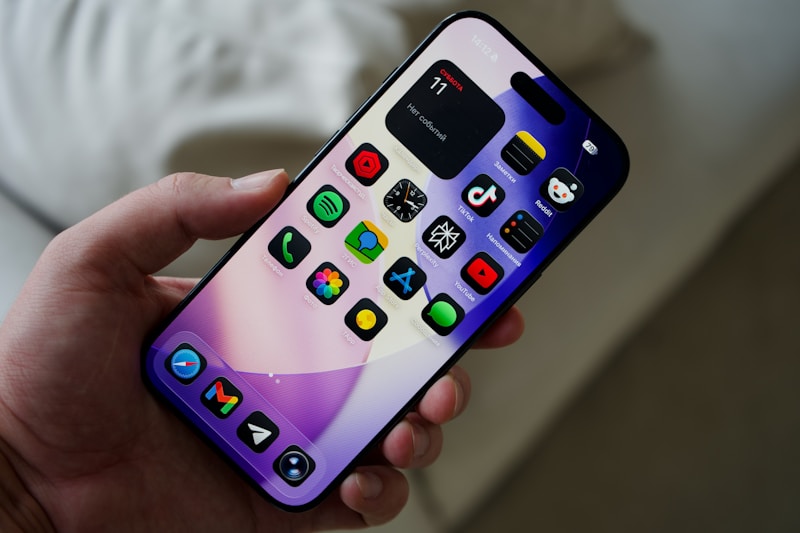
Apple is testing a new App Store design that removes the blue background from sponsored listings, making advertisements nearly indistinguishable from organic search results. The only difference? A small "Ad" label that's easy to miss when you're scrolling quickly.
This matters because the App Store is the only way to install apps on iOS. You can't sideload. You can't use alternative app stores in most markets. Apple controls the entire gateway, and now they're using that control to blur the line between paid placements and genuine results.
The change correlates with Apple's December announcement that multiple sponsored results would appear per search query. More ads, less visual distinction between ads and real results. The math is simple: harder to spot ads means more clicks, which means more revenue for Apple's growing advertising business.
I've built consumer apps. I know how search rankings work. When users can't tell what's sponsored and what's earned, the entire discovery system breaks down. Quality apps get buried under whoever pays for placement. Developers who built great products through word-of-mouth suddenly need advertising budgets just to remain visible.
Apple's response to questions about the redesign? Radio silence. 9to5Mac asked whether this would expand beyond A/B testing. No comment. That's usually a yes.
Here's what drives me crazy: Apple spent years positioning itself as the privacy company, the company that puts user experience first, the company that doesn't prioritize ad revenue over everything else. Then they borrowed Google's playbook - make ads look like content, maximize clicks, grow the advertising business.
The technology isn't the issue. Programmatic ad insertion is straightforward. The question is whether a company sitting on hundreds of billions of dollars in cash needs to squeeze more revenue by making their App Store deliberately confusing.
App developers already pay Apple 15-30% of all revenue. Now they need to pay for ads just to show up in search results. And users? Users get a worse experience so Apple can grow a revenue stream that represents a rounding error on their balance sheet.