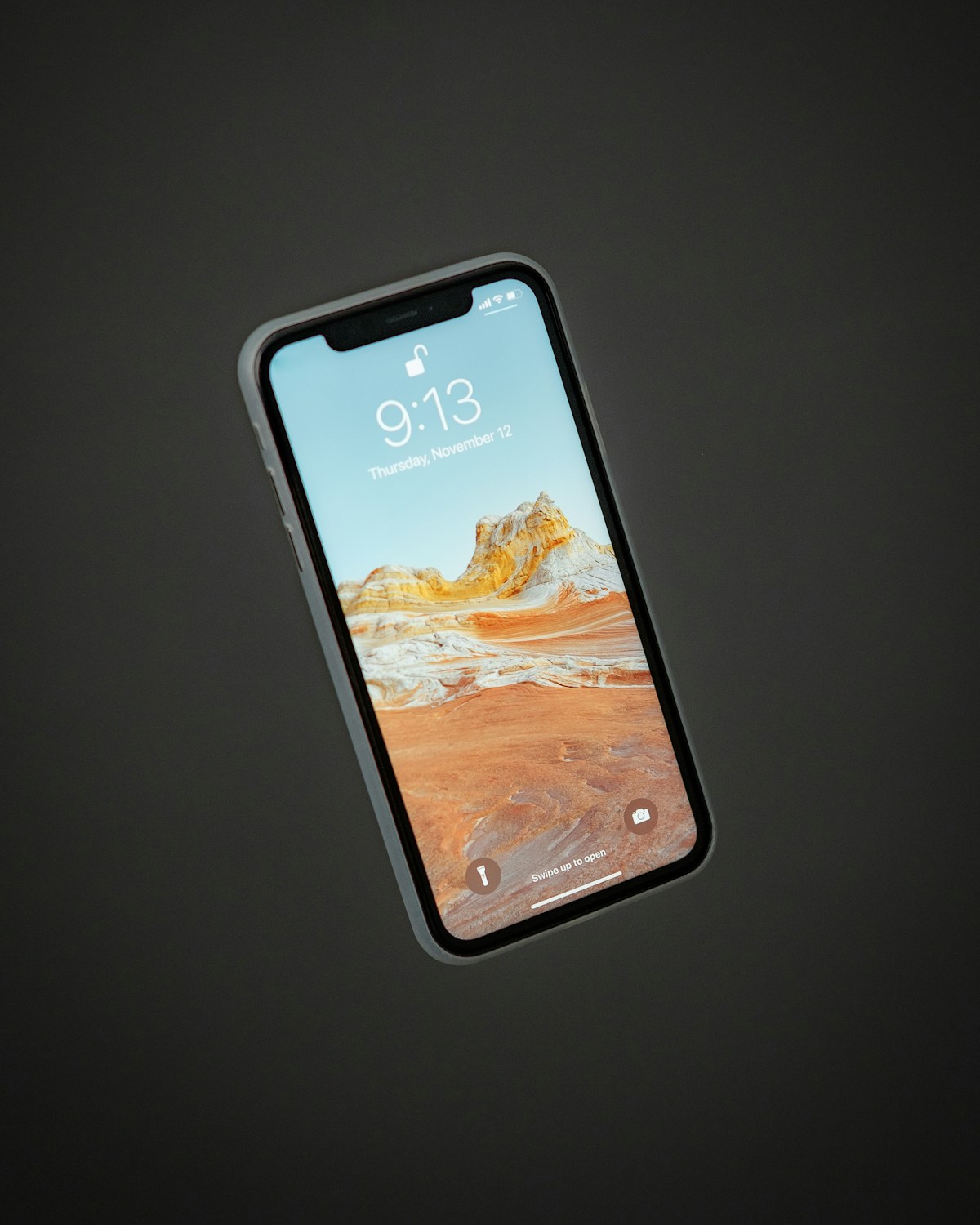
Apple will pay $250 million to settle a class action lawsuit over Siri features that were promised, heavily advertised, then postponed indefinitely.
The case centers on Apple Intelligence-powered Siri capabilities showcased at WWDC 2024 and promoted during the iPhone 16 launch in September 2024. Apple pulled the marketing materials in March 2025 after postponing the features. The lawsuit argued consumers purchased devices "with features that did not exist or were materially misrepresented."
What Was Promised
At WWDC 2024, Apple demonstrated a more personalized, contextually aware Siri integrated with Apple Intelligence. The demos showed Siri maintaining conversation context, understanding complex requests, and integrating deeply with third-party apps.
Those capabilities were prominently featured in iPhone 16 marketing. Apple's promotional materials emphasized the AI-powered assistant as a core differentiator justifying the device's premium pricing.
By March 2025, none of those features had shipped. Apple postponed them without providing a timeline, then quietly removed the promotional content from its website and retail materials.
The Settlement Math
Eligible devices include iPhone 16 models, iPhone 16e, iPhone 15 Pro, and iPhone 15 Pro Max purchased between June 10, 2024, and March 29, 2025. Claimants will receive $25 per device, potentially up to $95 if claim volume is low.
For context, iPhone 16 Pro models start at $999. The $25 settlement represents 2.5% of purchase price. That's low for false advertising cases, which typically settle at 5-15% of purchase price when features were central to marketing.
Apple's statement emphasized that it "resolved the matter to focus on products and services" and noted it has since introduced multiple Apple Intelligence features. That's technically accurate—Apple shipped some AI features. Just not the ones it advertised.
Vaporware Accountability
Tech companies routinely announce features before they're ready. The practice generates buzz, drives pre-orders, and locks in customers before competitors can respond. When features are delayed, companies issue quiet updates and move on.
Apple typically avoids this pattern. The company's reputation rests partly on shipping products that work as advertised. This case is notable precisely because it represents a departure from that standard.
The lawsuit's core allegation—false advertising and unfair competition—is difficult to prove in tech markets where "coming soon" is industry standard. That Apple settled rather than fighting suggests internal concern about what discovery would reveal regarding when executives knew the features couldn't ship on schedule.
Precedent Implications
The settlement establishes that advertising features that don't exist creates liability even for Apple. For an industry built on vaporware marketing, that's significant.
Other tech companies are watching. If consumers can successfully sue over delayed AI features, the current practice of announcing capabilities months or years before shipping becomes legally risky.
Apple's $250 million check won't change its business model. But it might change how carefully legal reviews promotional materials before product launches. For an industry that's made vaporware into standard practice, even modest accountability represents progress.