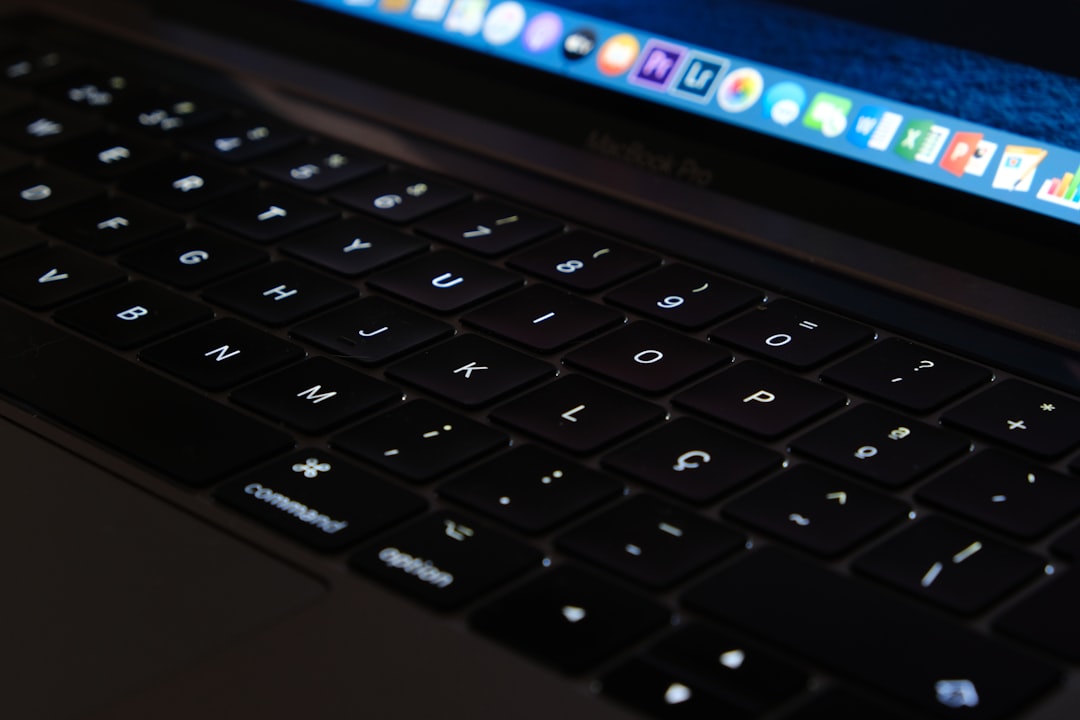
Apple just did what Redmond has feared for years: they made a MacBook anyone can afford.
The MacBook Neo, announced today at $599, represents the company's most aggressive push into mainstream computing since the original MacBook Air. It's powered by the same A-series chip architecture that runs iPhones, delivers all-day battery life, and undercuts the average Windows laptop by hundreds of dollars.
The technology is impressive. The question is whether anyone needs it.
Actually, scratch that. Millions of people need exactly this. Students who've been limping along with $300 Chromebooks. Parents buying their kids' first real computer. The vast middle market that Apple has historically ignored while chasing premium margins.
What makes the Neo credible isn't just the price point. It's that Apple Silicon has matured enough that a $599 laptop can run Final Cut Pro, compile code, and handle genuine creative work—not just email and web browsing. The base model ships with 8GB unified memory and 256GB storage, which sounds modest until you remember this isn't Windows trying to run legacy cruft from 2003.
The implications for the PC market are brutal. Dell, HP, and Lenovo have spent decades competing on price in the $500-$800 segment, where margins are tissue-thin and differentiation is impossible. Now they're facing a competitor with vertical integration from silicon to software, who just proved they can hit that price point without the usual corners-cutting.
Windows OEMs are already in a rough spot. Microsoft's push for Copilot+ PCs and AI features requires more expensive hardware. Nvidia's GPU dominance means discrete graphics cost more than ever. And now Apple is selling a laptop that "just works" for less than a comparable Windows machine.
But let's be honest about what the Neo isn't. It's not a gaming machine. It won't run your enterprise Windows-only software. The 256GB base storage will feel cramped the moment you install Adobe Creative Cloud. And Apple has a long history of using low entry prices to upsell you into expensive upgrades—the 512GB model will likely cost $799, and the 16GB RAM version probably hits $999.
Still, the Neo matters because it changes the conversation. For years, the knock on Macs was "they're nice if you can afford them." That argument just got harder to make when you can walk into an Apple Store with $600 and leave with a legitimately capable computer that will get OS updates for the next seven years.
The real test isn't whether tech enthusiasts buy it. It's whether Apple can convince Windows users to switch, and whether they can actually keep it in stock at that price. Because if they can, Redmond has a much bigger problem than just losing a few converts. They're losing the narrative that Windows is the affordable default.