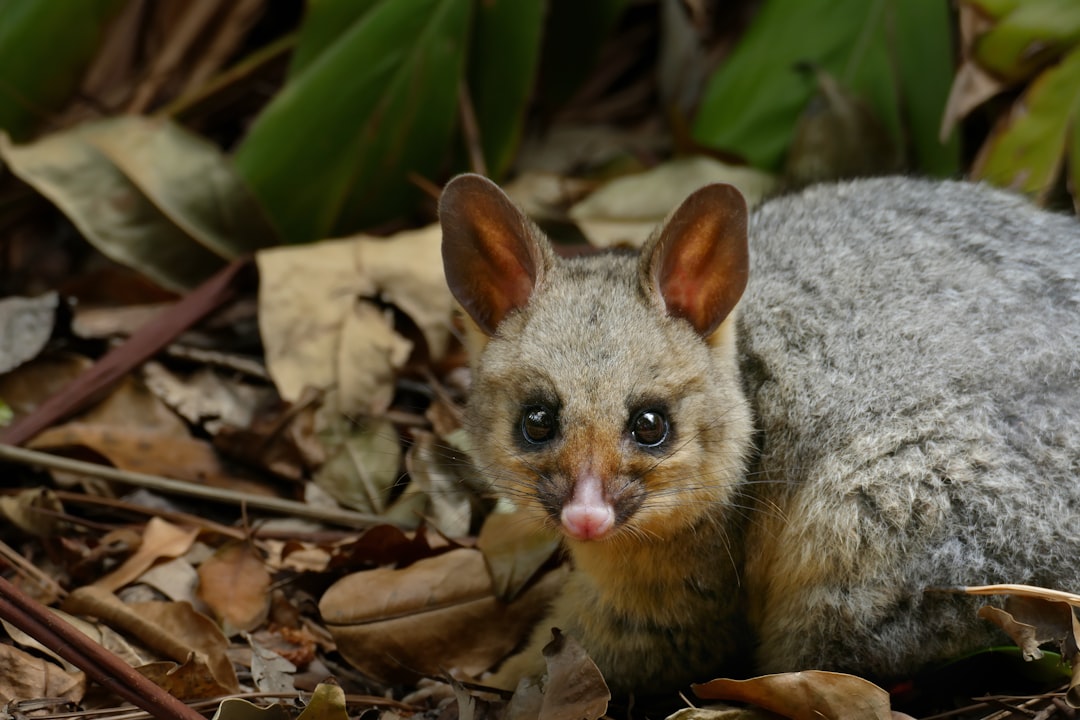
Australian anti-abortion activist Joanna Howe has admitted she used photos of sugar glider joeys in a campaign email, calling them human twin foetuses she named "Ruth and Emma."
After being caught, she conceded it "may have been a scam" but insisted it was an "insignificant detail."
The absurdity speaks for itself. But it also raises serious questions about misinformation in abortion debates.
Howe is a prominent anti-abortion campaigner in Australia. She's a law professor who has pushed for abortion restrictions in multiple states and advised conservative politicians on abortion policy. Her campaigns have influenced public debate and legislative proposals.
So when she circulates obviously false information, it matters.
The images in question appeared in a campaign email promoting anti-abortion views. Howe presented them as photos of human twin foetuses at an early stage of development, giving them names and describing them as victims of abortion.
Then someone pointed out they were actually photos of sugar glider joeys, the young of a small Australian marsupial.
Confronted with evidence that she'd used marsupial photos while claiming they were human foetuses, Howe initially defended the images before eventually admitting the photos "may have been a scam." She claimed someone had emailed her the images, falsely representing them as human foetuses, and she'd used them without verification.
That explanation might be believable if Howe had immediately apologized, corrected the record, and committed to fact-checking in future. Instead, she called the false images an "insignificant detail."
Let that sink in. A prominent anti-abortion activist circulated false information, presenting marsupial joeys as human foetuses, and when caught called it insignificant.
The "insignificant detail" defense is remarkable. Howe is arguing that the accuracy of the images doesn't matter because the broader point about abortion remains valid in her view.
That's not how evidence works. You can't make false claims, get caught, and dismiss the falsehood as insignificant. If the images don't matter, why use them? If they do matter enough to include in campaign materials, then using false images is significant misinformation.
The incident reveals a broader problem with abortion debates in Australia and globally. Activists on both sides occasionally stretch facts, use emotional manipulation, and prioritize rhetoric over accuracy. But presenting marsupial photos as human foetuses crosses a line.
Howe has influence. She advises politicians, campaigns for legislative changes, and shapes public opinion on abortion policy. When someone with that influence circulates demonstrably false information, it undermines the entire debate.
How can anyone trust her other claims about abortion, fetal development, or health impacts if she's presenting sugar glider photos as human foetuses and calling it insignificant?
The sugar glider incident would be darkly funny if it weren't being used to influence public policy. Howe isn't just a random person on social media. She's a law professor at the University of Adelaide who has testified before parliamentary committees and drafted model legislation.
Her credibility matters. And she just destroyed it by presenting marsupial photos as human foetuses, then claiming the deception was insignificant.
Abortion debates are difficult enough without activists circulating false information. People have genuine, deeply held beliefs about when life begins, bodily autonomy, and reproductive rights. Those debates deserve honesty, not fake photos and dismissive excuses.
Howe's response to being caught is almost as troubling as the original false images. She could have apologized, admitted the error, and committed to fact-checking. Instead, she minimized it.
That suggests the false information was either deliberate or the result of such carelessness that she doesn't take accuracy seriously. Neither option reflects well on someone who claims to be operating from moral principle.
The "insignificant detail" defense also reveals something about how Howe views her audience. She's essentially arguing that the people receiving her campaign materials don't need accurate information. The emotional impact of seeing "twin foetuses named Ruth and Emma" matters more than whether the images are actually human foetuses or marsupials.
That's manipulation, not persuasion.
Abortion policy affects millions of people. It involves complex questions about health, autonomy, religion, and rights. Those questions deserve serious engagement based on accurate information.
Presenting sugar glider photos as human foetuses while pushing for legislative restrictions on abortion is not serious engagement. It's misinformation in service of a political agenda.
Howe will likely continue her anti-abortion activism. She has allies in conservative politics and religious organizations. But her credibility is shot.
Anyone evaluating her claims now has to wonder: is this accurate, or is it another sugar glider photo she's calling insignificant?
Mate, this would be hilarious if it weren't being used to influence abortion policy. A law professor presented marsupial photos as human foetuses, got caught, and called it an insignificant detail.
That tells you everything you need to know about how seriously she takes accuracy. Which is to say, not at all.
Abortion debates are hard enough without fake photos and dismissive excuses. Australia deserves better than activists who think truth is an insignificant detail.