Here is a sentence that should unsettle you slightly: scientists have found a bacterium locked in 5,000-year-old cave ice that is resistant to 10 modern antibiotics — antibiotics that did not exist when the ice formed.
The bacterium is Psychrobacter SC65A.3, a cold-adapted microbe extracted from the ice deposits of Scarisoara Ice Cave in Romania — one of the largest underground ice caves in the world, holding ice layers dating back roughly 13,000 years. The research, published in Frontiers in Microbiology, is the kind of finding that stops a scientist mid-sentence.
The strain carries resistance spanning eight different drug classes: third-generation cephalosporins, fluoroquinolones, aminoglycosides, and rifampicin among them. Genomic analysis identified over 100 genes associated with antimicrobial resistance (AMR), including clinically significant determinants involved in resistance to last-resort antibiotics. The bacterium also carries a resistance gene linked to colistin — a drug deployed when essentially everything else has failed against a bacterial infection.
Let that sit for a moment. This organism never encountered a single pharmaceutical antibiotic in its entire existence. Yet millions of years of competition in the cold dark of a cave equipped it with a near-comprehensive resistance toolkit against drugs we only invented in the last century. Antibiotic resistance, it turns out, is ancient. We didn't create it. We selected for it.
This is not, to be clear, cause for immediate alarm. Psychrobacter species do occasionally infect immunocompromised humans, but they are uncommon pathogens — they prefer cold environments, not warm human bodies. The specific strain recovered here has not been shown to cause disease. Finding resistance genes in environmental bacteria is not new science; the "resistome" — the full complement of resistance genes in the natural environment — has been documented for years.
What makes this finding genuinely important is the melting-ice dimension.
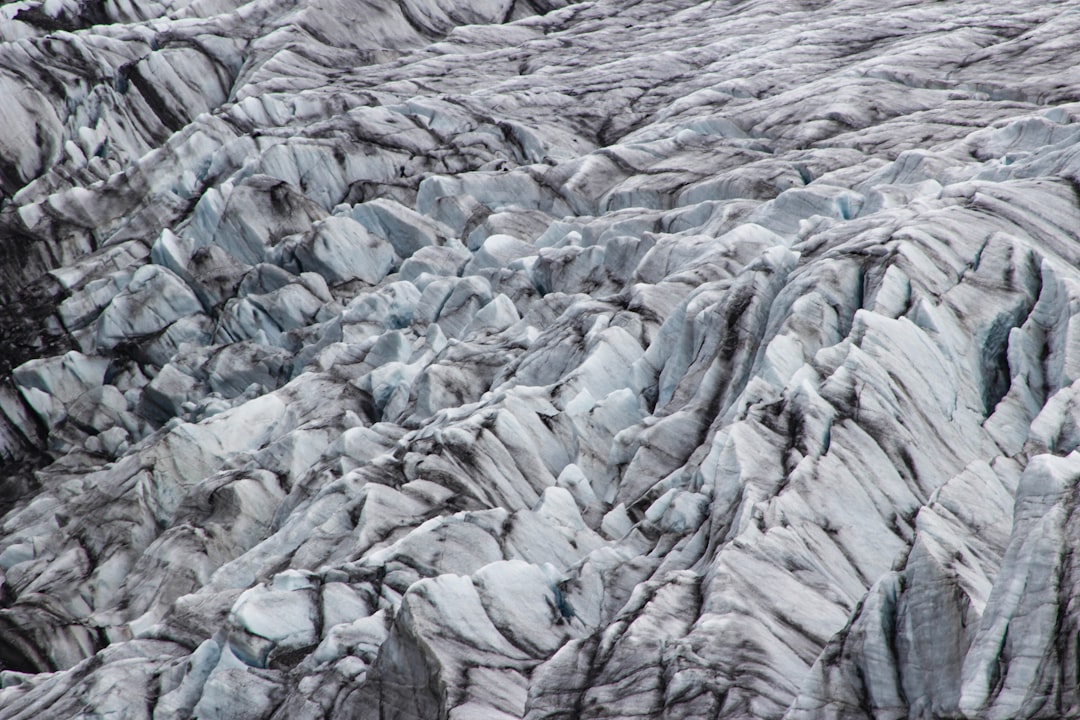
Glaciers and ice caps worldwide are retreating at accelerating rates due to climate change. As they do, they release whatever has been sealed inside them — sediment, ancient viruses, and, as this study demonstrates, bacteria carrying resistance genes that predate modern medicine by millennia. The researchers describe ice caves as That framing matters. We have been mapping AMR emergence in hospitals, agricultural runoff, and urban sewage. We have not been systematically attending to what is thawing out of ancient ice.