President Donald Trump insists "the economy is roaring back," but American households are experiencing something very different: a relentless affordability crisis that's making basic necessities increasingly out of reach.
The disconnect between macro indicators and household reality is stark. GDP growth has been positive, unemployment remains low at 3.8%, and the stock market has recovered from its 2025 lows. But for workers earning median wages—roughly $60,000 annually—life is getting more expensive faster than paychecks are growing.
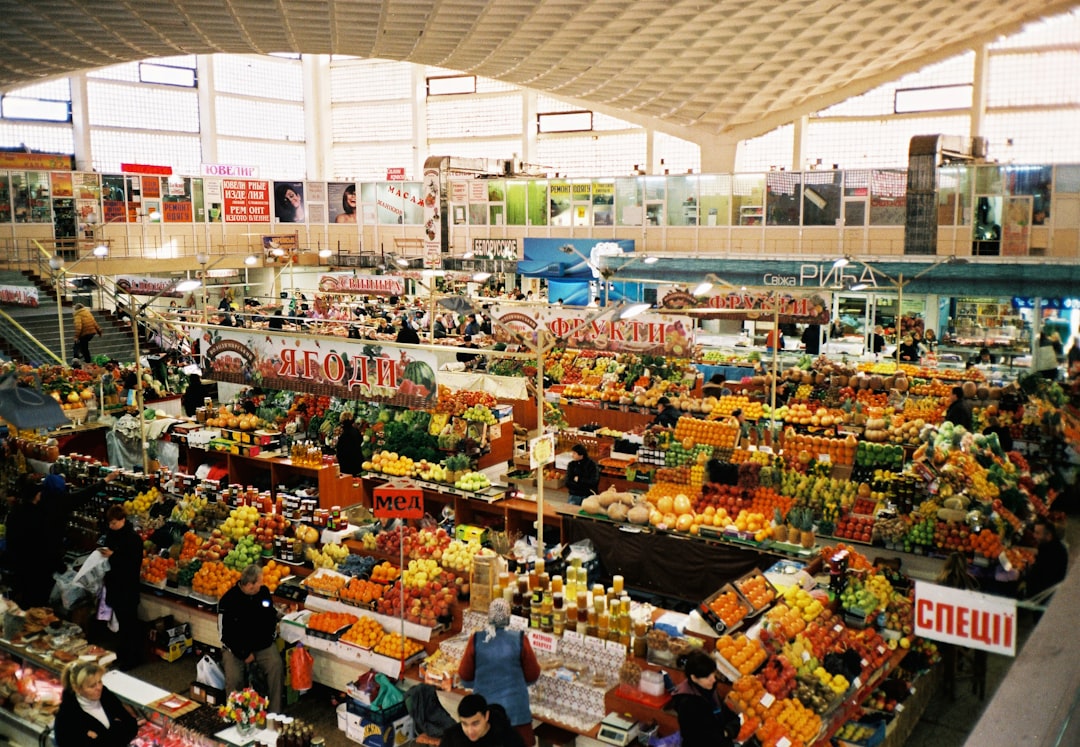
Consider the essentials. Grocery prices are up 23% since early 2021, according to Bureau of Labor Statistics data. Housing costs have increased even more dramatically. The median rent for a two-bedroom apartment in major metro areas now exceeds $2,200 per month—roughly 44% of median gross income for a single earner, well above the 30% threshold that financial advisors consider sustainable.
Gasoline is back above $3.80 per gallon nationally and climbing toward $4 as Middle East tensions tighten oil markets. For a household driving 15,000 miles annually in a vehicle getting 25 mpg, that's an extra $600 per year compared to 2020 prices. It doesn't sound like much, but it adds up when combined with higher costs for food, housing, insurance, and utilities.
The Guardian reported interviews with workers across multiple industries who described cutting back on meat purchases, delaying medical care, and skipping discretionary spending entirely just to cover basics. These aren't unemployment-line stories—these are employed Americans experiencing what economists politely call "real wage decline."
Here's the core problem: nominal wage growth has averaged 4.1% annually over the past two years, while inflation has run at 4.5%. That gap means workers are getting poorer in inflation-adjusted terms despite receiving raises. The typical worker can afford less today than they could three years ago.