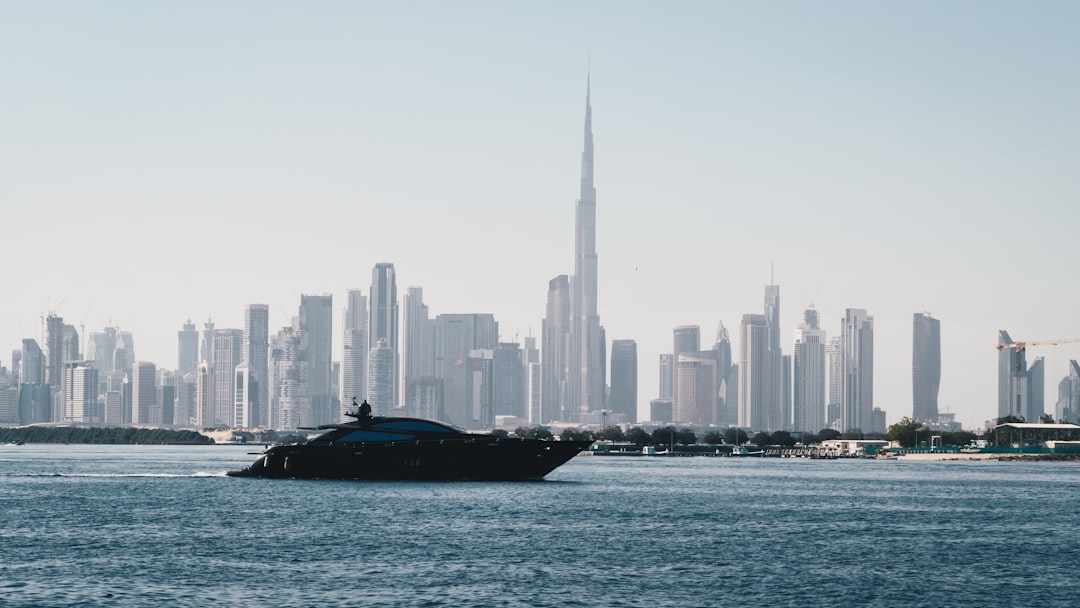
Dubai's tourism sector is reeling from what industry insiders describe as a "brutal" collapse in visitor numbers and conference bookings as the Iran conflict transforms the Gulf's business hub into a region best avoided by nervous travelers and corporate planners.
The timing couldn't be worse for Dubai, which spent decades building its reputation as the Middle East's safest, most stable destination—a Switzerland of the Gulf where business could proceed regardless of regional turbulence. That carefully cultivated image is now crumbling as Iranian missile strikes hit UAE territory, including the unprecedented attack on Oracle's data center.
The BBC reports that Dubai's tourism industry is experiencing unprecedented cancellations across hotels, conferences, and entertainment venues. While specific numbers remain closely guarded—Gulf states prefer discretion when reporting economic damage—industry sources indicate double-digit percentage declines in forward bookings.
For Dubai's economy, tourism isn't a nice-to-have. It's foundational. The emirate built its post-oil future on three pillars: trade, finance, and tourism. Roughly 20% of GDP flows directly or indirectly from visitors who come for business conferences, luxury shopping, and desert resorts. When that evaporates, the cascading effects hit construction, retail, hospitality, and aviation.
The conference and business travel segment is particularly devastated. Corporate risk managers at multinational firms have simple calculus: when a region experiences missile strikes, you move the conference to Singapore or Barcelona. No executive wants to explain to shareholders why they held a regional sales meeting in a city that Iran views as a legitimate military target.
Dubai's flagship airline, Emirates, faces a double squeeze: fewer tourists means less passenger traffic, while higher oil prices drive up operating costs. The airline's hub-and-spoke model depends on Dubai being the logical stopover point for Europe-Asia travel. If business travelers and tourists avoid the region entirely, that model breaks.
The real estate sector, already fragile after years of oversupply, faces renewed pressure. Dubai's property market relies heavily on foreign investment and expatriate demand. Both evaporate when regional stability disappears. Developers who financed luxury towers and hotel-branded residences based on perpetual tourism growth now face occupancy questions they haven't confronted since the 2008 financial crisis.
What makes this particularly painful for Dubai's rulers is the lack of control. Unlike economic slowdowns that can be addressed with stimulus spending or regulatory changes, this crisis stems from geopolitical forces beyond the emirate's influence. Abu Dhabi sets UAE foreign policy, and Dubai must live with the consequences when that policy puts the city in Iran's crosshairs.
The "Dubai model"—political stability through economic prosperity—depends on seeming above the fray. The emirate positioned itself as neutral ground where Israelis and Iranians, Americans and Russians, could do business without regional politics interfering. Iranian strikes shatter that illusion. If Dubai is targetable, it's just another Middle Eastern city with conflict risk premium.
The broader Gulf tourism sector faces similar pressures, but Dubai's exposure is unique. Saudi Arabia and Qatar have oil revenue to cushion tourism downturns. Dubai doesn't. The emirate bet its future on diversification away from hydrocarbons, and that bet is now being stress-tested by a regional conflict that makes the whole Gulf look dangerous.
Recovery timelines are anyone's guess. If diplomatic efforts can de-escalate the Iran confrontation quickly, Dubai might see tourism rebound within months as corporate memory fades and deal-seeking returns. But if the conflict becomes entrenched—or escalates further—the damage could persist for years, fundamentally reshaping Gulf business geography.
The numbers don't lie: when missiles hit your neighbor's data center, tourists don't care that your city wasn't the target. They just know the region is dangerous. For Dubai, built on the premise that it's the safe exception to Middle Eastern chaos, that perception is everything.
The tourism industry's "brutal" impact is just beginning to show up in economic data. The real question is how long it lasts and whether Dubai's decades-long bet on stability and neutrality can survive a regional war it didn't choose but can't escape.