Aluminum prices jumped 6% on Friday after Iran launched strikes on smelting facilities in Bahrain and the United Arab Emirates, tightening supply in a market already strained by the escalating conflict.
The attacks targeted key production facilities in the Gulf region, which accounts for roughly 8% of global aluminum output. Industry sources report significant damage to plants operated by Aluminium Bahrain (Alba) and Emirates Global Aluminium, though neither company has released official statements on production capacity affected.
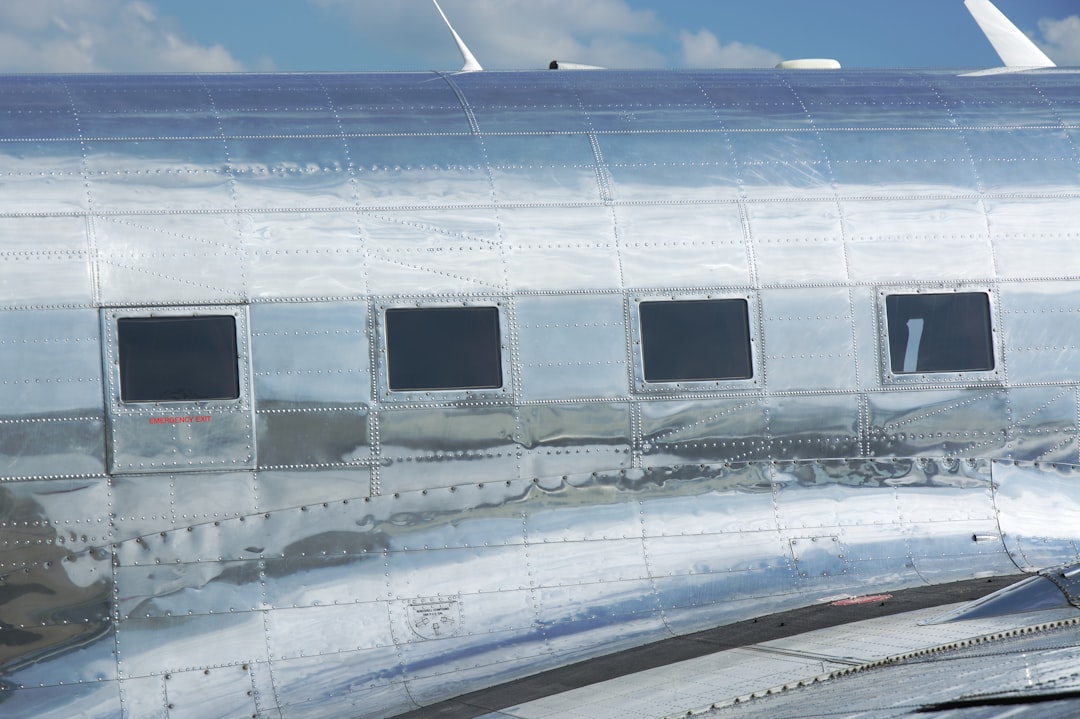
For manufacturers, this is a supply chain nightmare. Aluminum is everywhere—from aircraft fuselages to beverage cans to automotive parts. A 6% price spike translates directly to margin pressure for companies with limited pricing power. Aerospace suppliers, already dealing with tight inventory after the pandemic, face particularly acute exposure.
The timing couldn't be worse. Global aluminum demand has been running hot, driven by electric vehicle production and infrastructure spending. China has been restricting exports to prioritize domestic consumption. Now, with Gulf capacity offline, buyers are scrambling for alternative sources.
Cui bono? Besides producers, metals traders positioned long on aluminum stand to profit handsomely. More broadly, this reinforces a troubling pattern: critical supply chains concentrated in geopolitically unstable regions. Companies that diversified their sourcing after the 2021 chip shortage are breathing easier. Those that didn't are facing uncomfortable conversations with procurement teams.
The London Metal Exchange three-month aluminum contract hit its highest level since March 2024. If Iran continues targeting industrial infrastructure across the Gulf, expect further volatility. For CFOs planning Q2 budgets, add another line item to the risk register.