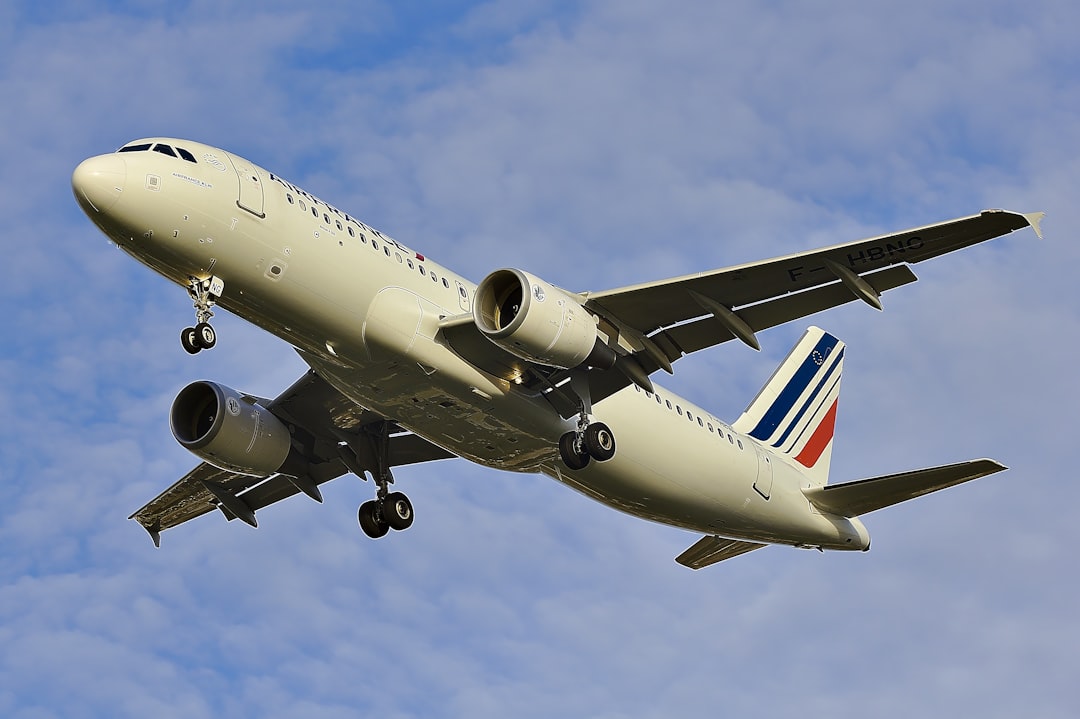
A French court has found Air France and Airbus guilty of manslaughter over the 2009 crash of Flight 447, which plunged into the Atlantic Ocean killing all 228 people aboard, according to the BBC. The verdict represents a rare criminal conviction in aviation history and sets a significant precedent for corporate accountability in air disasters.The ruling concludes a 16-year legal saga that began when the Airbus A330 disappeared on a routine flight from Rio de Janeiro to Paris on June 1, 2009. The crash, one of the deadliest in aviation history, was caused by a combination of frozen pitot tubes that provided faulty speed readings and pilot error in responding to the emergency.To understand today's headlines, we must look at yesterday's decisions. The disaster exposed critical weaknesses in pilot training for handling high-altitude stalls and raised questions about whether Airbus and Air France had adequately prepared crews for the automation failures that can occur in severe weather. French investigators determined that the pilots became disoriented when conflicting speed readings caused the autopilot to disconnect, and their subsequent actions—pulling the nose up rather than pushing it down—sent the aircraft into an unrecoverable stall.The Paris court found both companies guilty of involuntary manslaughter, though it imposed relatively modest fines: €200,000 ($217,000) for Air France and €225,000 ($244,000) for Airbus. The court also ordered the companies to pay substantial damages to families of the victims, though exact amounts were not immediately disclosed.Danièle Lamy, president of an association representing victims' families, called the verdict "a victory for justice" but expressed disappointment at the fine amounts. "Two hundred thousand euros for 228 lives is insulting," she told reporters outside the courthouse. "But at least there is recognition of corporate responsibility."Air France issued a statement expressing "compassion for the victims and their families" but said it would study the full judgment before deciding whether to appeal. Airbus similarly said it was reviewing the decision, noting that it had already implemented numerous safety improvements in response to the accident investigation.The conviction is particularly significant because aviation accidents rarely result in criminal charges. Most cases are handled through civil litigation or regulatory enforcement, with the emphasis on improving safety rather than assigning criminal blame. Aviation safety experts have long argued that the threat of criminal prosecution can discourage the kind of open reporting and information sharing that makes air travel safer.However, prosecutors argued that both Air France and Airbus had failed in their duty of care. Evidence presented during the trial showed that Air France was aware of problems with pitot tube icing prior to the accident but had been slow to replace the sensors. Prosecutors also alleged that Airbus had not adequately communicated the risks to airlines or provided sufficient guidance on how pilots should respond to multiple system failures.The verdict could have implications for how aviation authorities and airlines approach safety management worldwide. Legal experts suggest it may embolden prosecutors in other jurisdictions to pursue criminal charges in cases where corporate negligence contributes to fatal accidents.For the families who have spent 16 years seeking accountability, the verdict provides a measure of closure, even if it cannot undo the tragedy. "My daughter was 26 years old," said Robert Soulas, who lost his child in the crash. "Today, finally, someone has been held responsible."
|