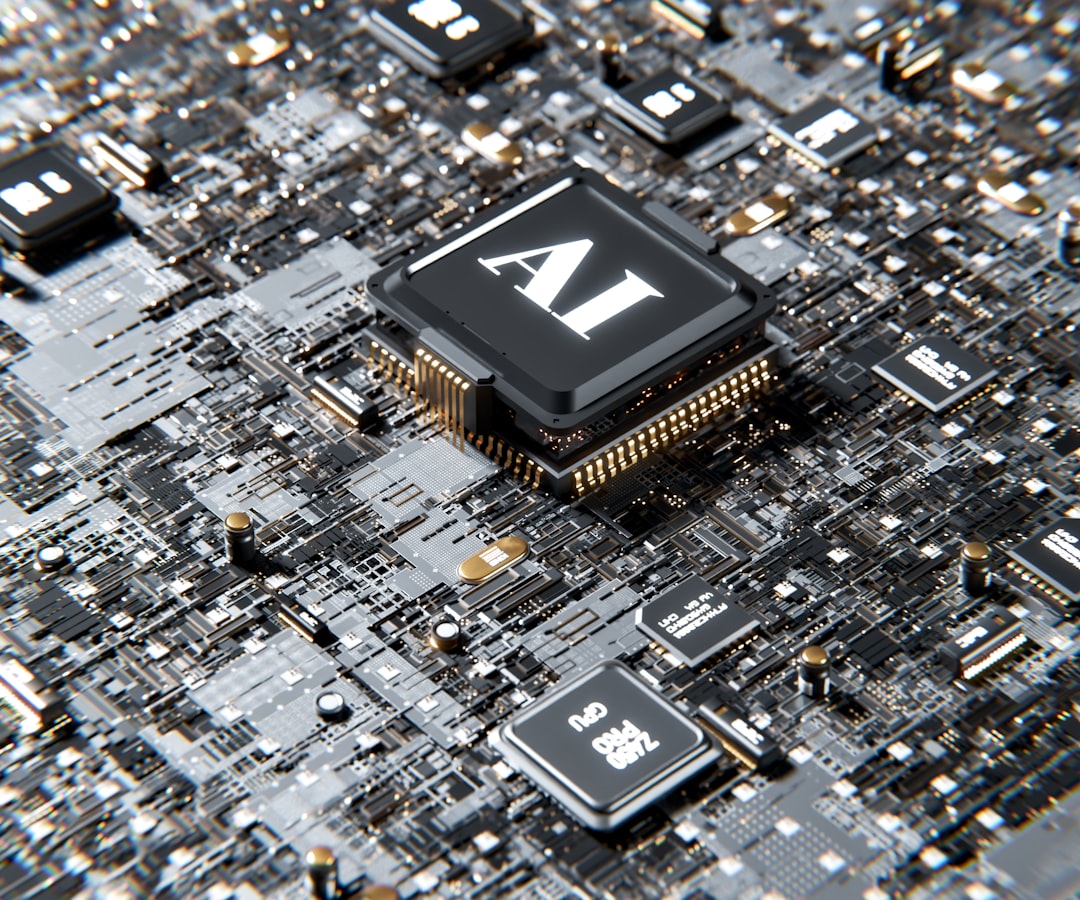
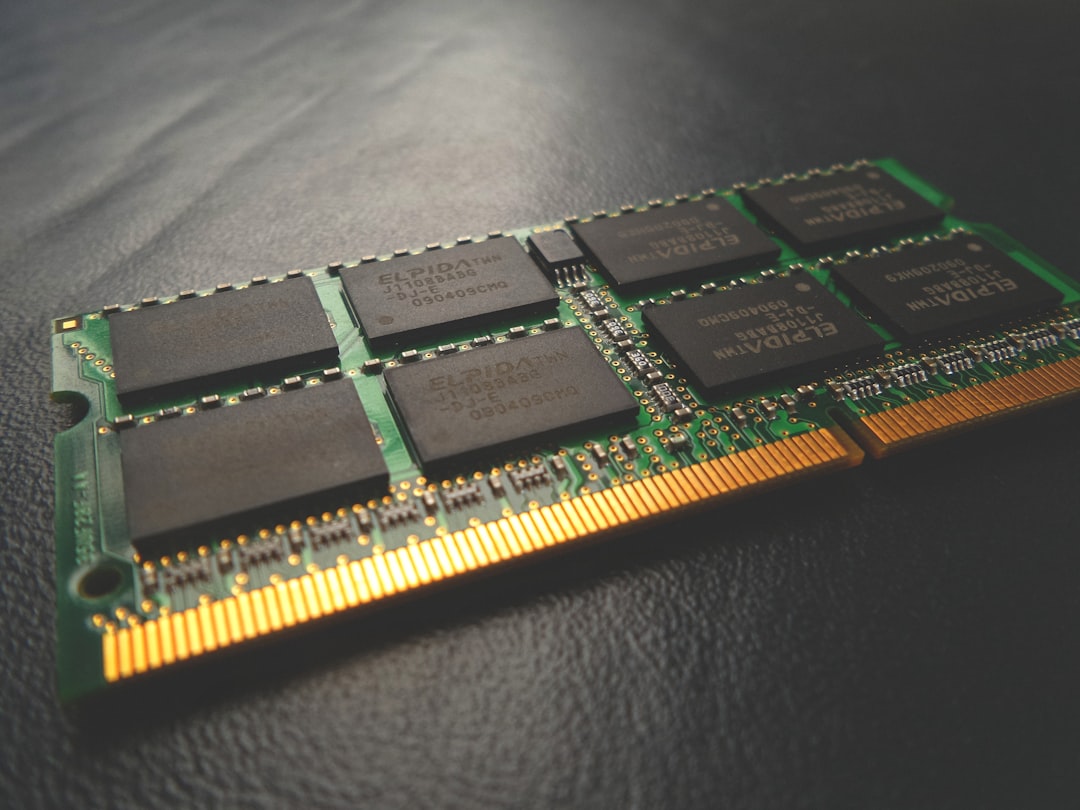
Everyone wants to find the next NVIDIA. But what if the smartest AI play isn't the flashy chip makers—it's the boring companies making the memory that all of them need?
That's the thesis behind a growing number of investors piling into RAM manufacturers, particularly those making high-bandwidth memory (HBM) for AI data centers. And honestly? The logic is pretty solid.
The Picks-and-Shovels Strategy
Here's the pitch: you don't need to guess which AI company wins. You don't need to bet on whether NVIDIA stays dominant or if AMD and Intel catch up. You don't even need to predict which hyperscaler—Microsoft, Google, Amazon—spends the most on infrastructure.
Because all of them need RAM. Lots of it. And specifically, they need HBM, the high-performance memory that sits right next to AI chips and feeds them data at insane speeds.
An investor on Reddit put it well: "RAM doesn't care whose chips will be used. NVDA, Intel CPU, AMD, Google TPU—they all need RAM."
That's the beauty of the picks-and-shovels strategy. You're not betting on who wins the AI race. You're betting that the race keeps happening, and everyone involved needs the same basic infrastructure.
Why RAM Specifically?
The shift to agentic AI—AI systems that can plan, reason, and take action over longer periods—requires massive amounts of memory. These models don't just process a single query and move on. They hold context, iterate on tasks, and access huge datasets in real time.
That means memory capacity and bandwidth become just as important as raw compute power. You can have the fastest GPU in the world, but if it's starved for data because the memory can't keep up, performance tanks.
Right now, supply for HBM is tight. Samsung, SK Hynix, and Micron are ramping production, but demand is outpacing supply. That's a classic supercycle setup: constrained supply, surging demand, and pricing power for manufacturers.
The Companies to Watch