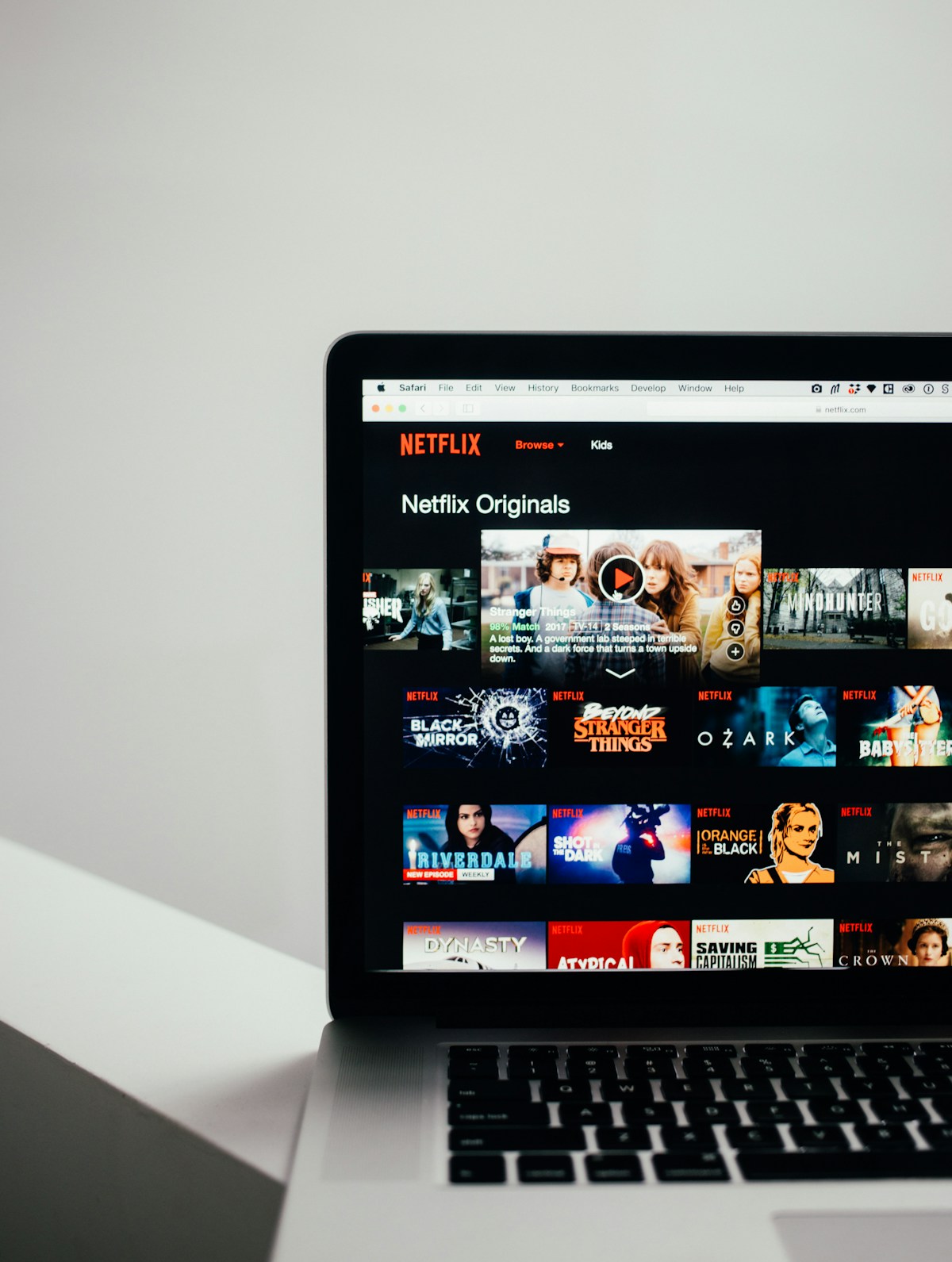

Television's relentless march toward shorter seasons has reached its logical endpoint: eight episodes is becoming the standard. Not ten. Not thirteen. Certainly not the 22-episode seasons that once defined American TV. Eight.
Vulture's analysis traces this contraction from broadcast's traditional 22, to cable's 13, to streaming's 10, and now to the current eight-episode norm. Each reduction was justified with the same reasoning: tighter storytelling, less filler, premium content.
But here's what nobody wants to admit: we're not getting tighter storytelling. We're getting rushed storytelling. We're getting character development that happens off-screen. We're getting plot points that should breathe but instead get compressed into montages.
The eight-episode season isn't a creative choice—it's an economic one. Streaming services discovered they could generate the same subscriber interest and Emmy buzz with eight episodes that they got with ten, so why pay for those extra two hours of production?
What gets lost in this calculus is everything that makes television different from film. The medium's great advantage has always been time—the ability to let characters evolve slowly, to build relationships across multiple episodes, to explore corners of the story that don't directly advance the plot.
Eight episodes forces every show to operate like a very long movie. There's no room for the kinds of mid-tier episodes that let actors play different notes, that develop supporting characters, that build the kind of ensemble chemistry that made shows like The West Wing or Breaking Bad special.
It's also killing certain kinds of television entirely. Workplace comedies, ensemble dramas, anything that relies on a large cast interacting in various combinations—these formats need room to breathe. You can't do The Good Wife in eight episodes. You can't do Friday Night Lights. Hell, you probably can't even do The Sopranos.
The streamers built an unsustainable model where every show was an event, every episode was appointment viewing, and production values rivaled theatrical releases. Wall Street loved it until they didn't, and now we're in the contraction phase where everything gets squeezed.