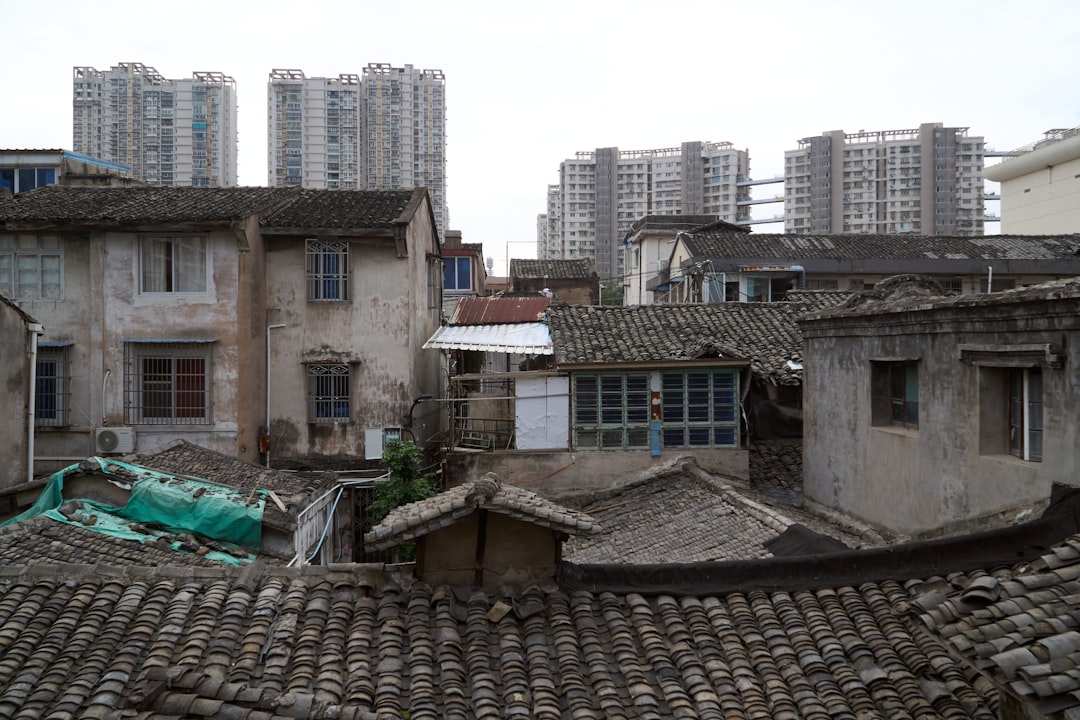
A magnitude 5.2 earthquake struck Liuzhou in Guangxi Province on Sunday, causing building collapses and at least two confirmed deaths, according to social media reports and local emergency services. The quake, which hit in the early evening, sent residents fleeing into streets as structures cracked and older buildings sustained significant damage.
Video footage circulating on social media platforms shows collapsed buildings, cracked walls, and evacuated residents gathering at emergency shelters established by local authorities. The earthquake was felt across a wide area of Guangxi, an inland province in southern China bordering Vietnam, though the most severe damage appears concentrated in Liuzhou and surrounding counties.
In China, as across Asia, long-term strategic thinking guides policy—what appears reactive is often planned. The emergency response to natural disasters has become a key metric by which the Chinese public and Communist Party leadership assess local government competence. Following the devastating 2008 Sichuan earthquake, Beijing overhauled disaster response protocols, establishing rapid-response mechanisms and improving building codes in seismically active regions.
The Ministry of Emergency Management has deployed search and rescue teams to affected areas, and the provincial government activated emergency response protocols within hours of the quake. The speed of response reflects investments in disaster preparedness infrastructure over the past two decades, though questions remain about building code enforcement in rapidly developing inland cities like Liuzhou.
Guangxi represents the type of inland province that has seen explosive urbanization over the past fifteen years as China's development model shifted from coastal manufacturing hubs toward western regions. Liuzhou, an industrial city of over 4 million people, has experienced rapid construction of residential towers and commercial buildings, not all of which were subject to the stricter seismic standards implemented after the Sichuan disaster.
Official casualty figures often take days to finalize as search and rescue operations continue and authorities verify reports from affected areas. The two confirmed deaths reported in initial social media posts suggest relatively limited immediate casualties given the quake's magnitude, though this assessment could change as rescue teams access more remote areas.