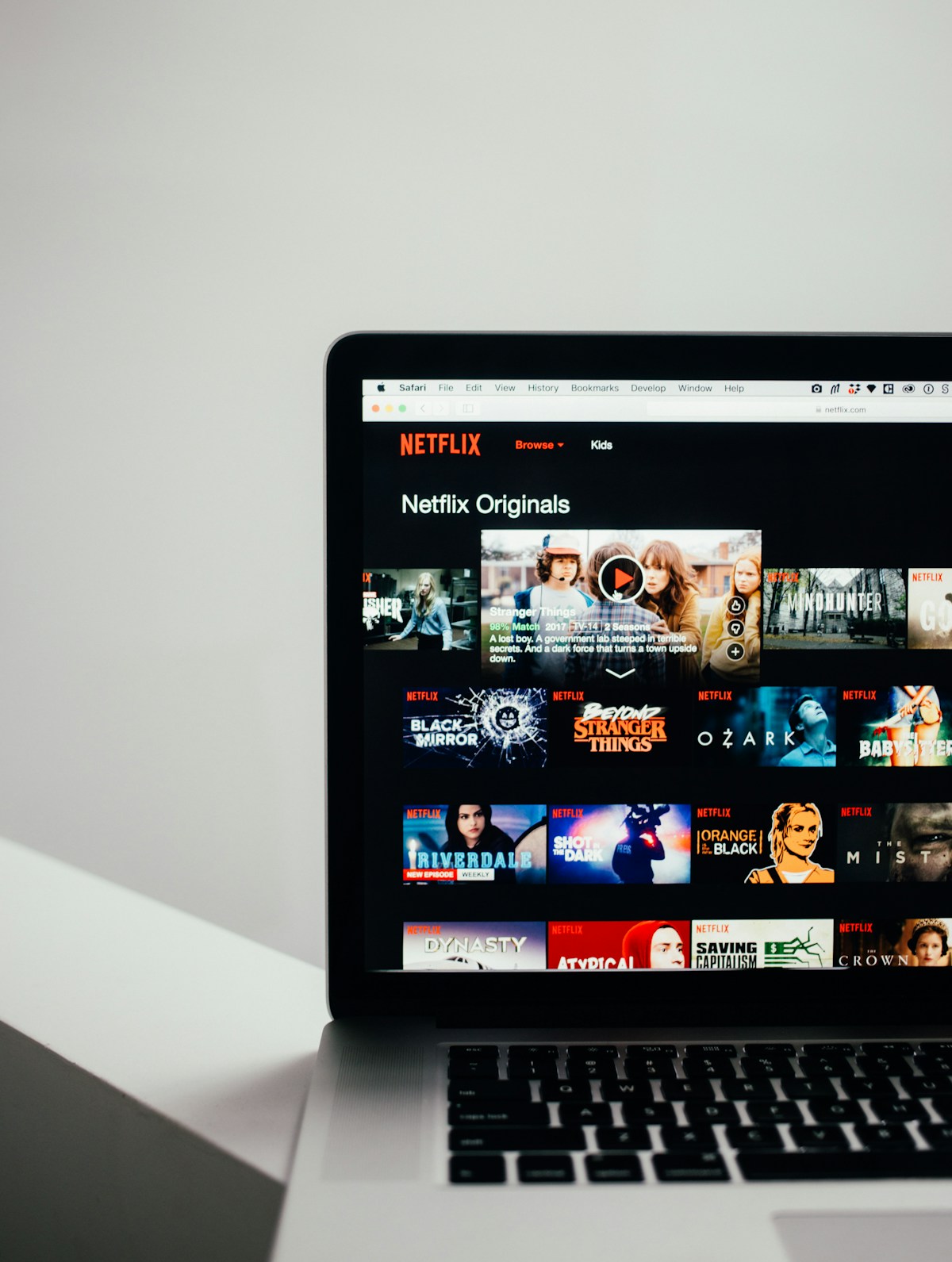
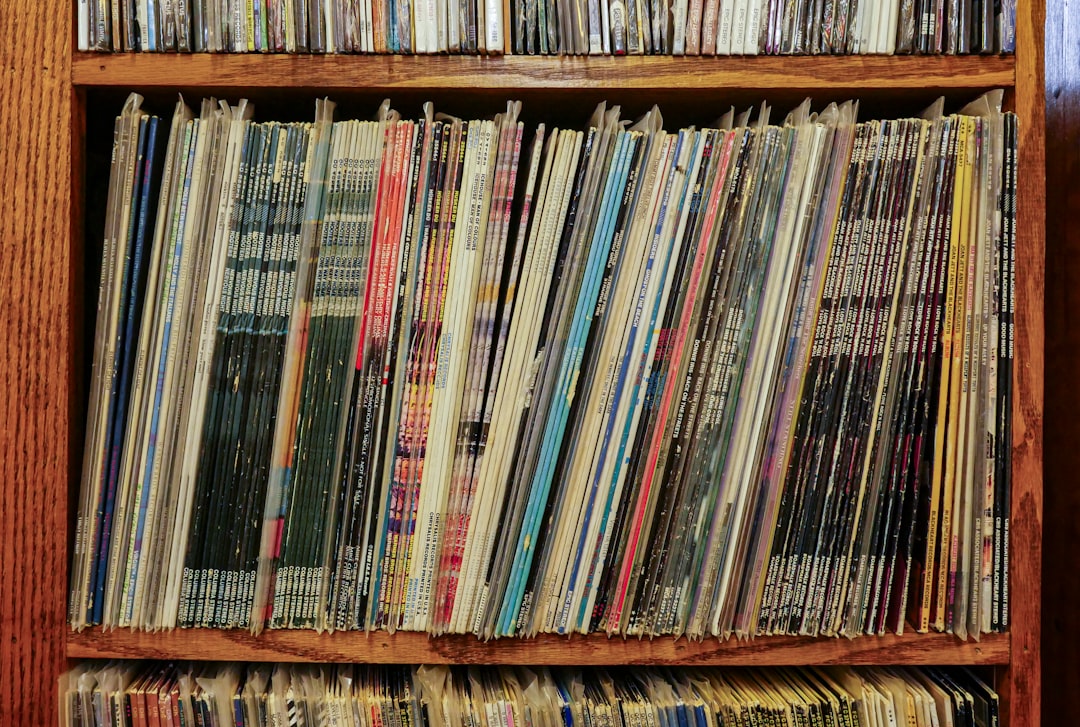
Streaming was supposed to kill physical media. We were told the future was infinite libraries accessible with a click, no shelf space required. Yet here we are in 2026, and 4K Blu-ray sales are quietly surging. Turns out, people like actually owning the things they pay for. Revolutionary concept, I know.According to What Hi-Fi, 4K Blu-ray sales have been climbing steadily, driven by a perfect storm of streaming frustrations: content disappearing without warning, quality compression, rising subscription costs, and the realization that your "library" can vanish if a studio pulls a licensing deal.The breaking point for many came when Warner Bros. Discovery started deleting finished films from HBO Max for tax write-offs. Batgirl was memory-holed before anyone could see it. Coyote vs. Acme faced the same fate until public outcry saved it. When corporations can simply erase art from existence, suddenly that Criterion Collection shelf doesn't look so quaint.But it's not just about preservation—it's about quality. Streaming services compress the hell out of video to save bandwidth, which is why that dimly-lit Game of Thrones battle looked like a pixel soup. A proper 4K Blu-ray with Dolby Vision and lossless audio is a revelation if you've spent years watching degraded streams. The difference is especially stark on big screens with decent sound systems.There's also a generational component here. Gen Z discovered vinyl records aren't just hipster affectation—they're a superior listening experience and you actually own the music. The same logic applies to 4K Blu-rays. Physical media is tangible, tradeable, and can't be algorithmically disappeared when a platform decides it's not "engaging" enough.The boutique labels are having a moment. Criterion, Arrow Video, Shout Factory, and others have built thriving businesses around lavish physical releases with restoration work, bonus features, and packaging that feels like an event. These aren't just discs—they're artifacts for people who take film seriously. You don't get director's commentary tracks and 4K restorations on streaming.Of course, isn't replacing streaming any more than vinyl replaced Spotify. Most people still default to the convenience of clicking on whatever app is cheapest this month. But there's a growing segment of viewers who want insurance against corporate whims, better quality, and the simple satisfaction of a physical collection.The irony is that studios spent the last decade training us to accept not owning anything, and now they're shocked that some people want out of that deal. literally argued in court that buying a digital movie doesn't mean you own it—you're licensing temporary access. When companies say the quiet part out loud like that, physical media stops looking like nostalgia and starts looking like common sense.In , nobody knows anything—except me, occasionally. And here's what I know: As long as streaming platforms treat content as disposable and compress quality to save pennies, there will be a market for people who want to actually own films that look and sound the way filmmakers intended. isn't the future—but it's a pretty solid present.
|