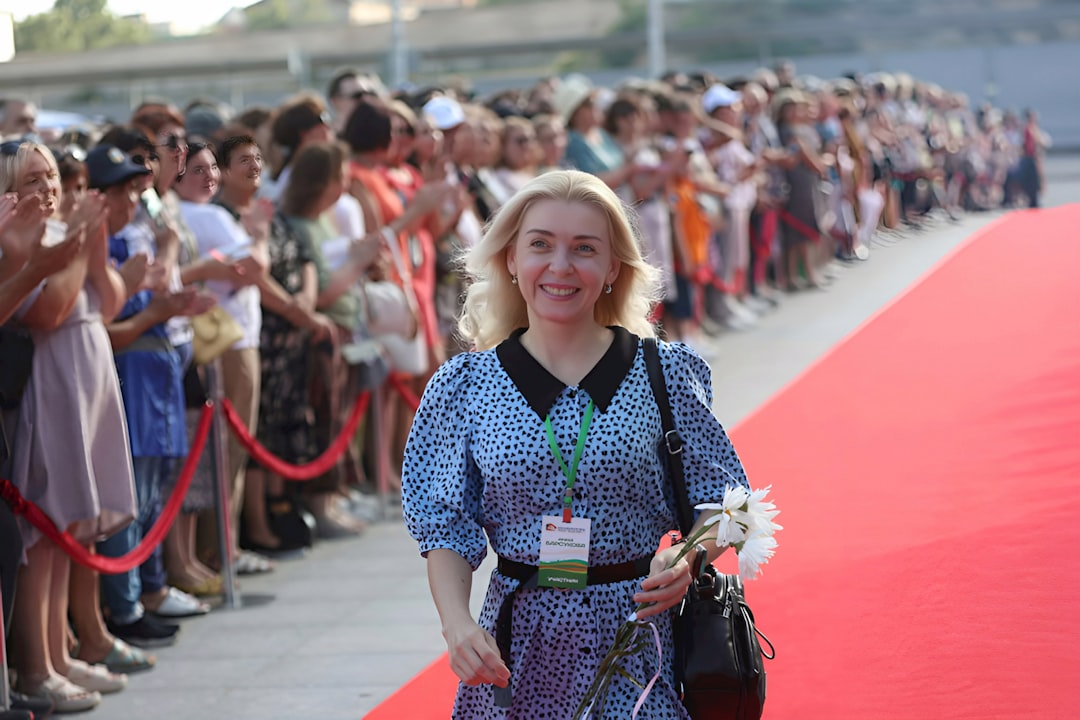
YouTube has opened its AI-powered deepfake detection tool to the entire Hollywood industry, and the implications are more complicated than a simple good-versus-evil narrative might suggest.The platform's synthetic-content detection system—previously available only to select partners—can now flag videos featuring AI-generated performances of actors, musicians, and other public figures. Think Tom Cruise appearing in a fan-made sequel he never agreed to film, or Scarlett Johansson's likeness digitally inserted into content without her consent.On paper, this sounds like a win for talent protection. The SAG-AFTRA strike last year put AI exploitation front and center, with actors rightfully concerned about studios scanning their likenesses and deploying them in perpetuity. YouTube's tool gives rightsholders a mechanism to identify and potentially remove unauthorized uses of their image.But here's where it gets thorny: the line between protecting actors and chilling creativity is thinner than you might think. Fan films, parodies, and transformative works have existed in a legal gray area for decades—technically copyright infringement, but generally tolerated under fair use principles. Now, an AI detection system can automatically flag this content for takedown, no human judgment required.The question isn't whether actors deserve protection from deepfake exploitation. They absolutely do. The question is whether we're building a system that can distinguish between a fraudulent commercial use and a 19-year-old film student's homage to Blade Runner.Silicon Valley has a poor track record when it comes to nuanced content moderation. YouTube's ContentID system has been flagging legitimate fair use for years, forcing creators into exhausting appeals processes. There's little reason to believe an AI deepfake detector will be more discerning.The entertainment industry wants it both ways: they want fans engaged enough to sustain franchises, but not so engaged that they create their own content. That tension has always existed, but AI tools are forcing the issue. We're about to find out whether Hollywood values control more than culture.In Hollywood, nobody knows anything—except that when given the choice between protecting corporate IP and fostering creativity, the lawyers usually win.
|