

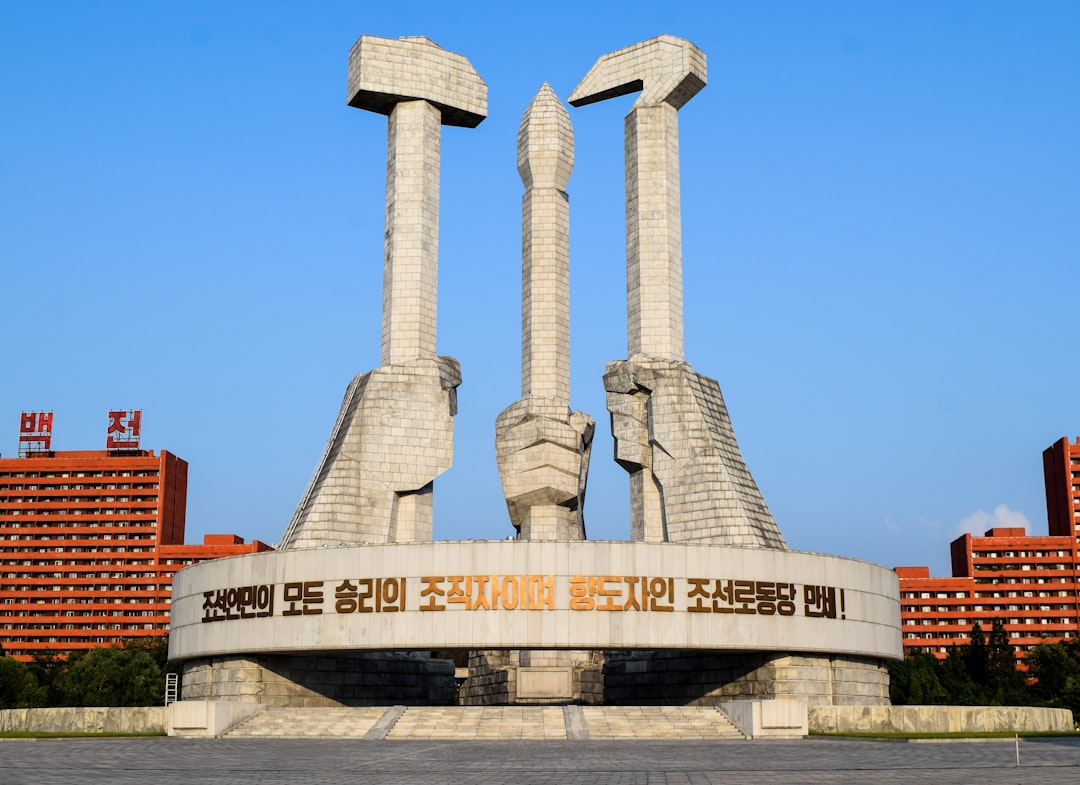
Pyongyang appears to be preparing for a high-level leadership summit, with satellite imagery revealing construction at Kim Il Sung Square consistent with preparations for previous foreign leader visits, amid media reports that Chinese President Xi Jinping may travel to North Korea in early June.
Planet Labs satellite imagery shows a gazebo installation surrounded by fencing erected at the central square between May 24 and May 29, according to analysis by NK News. The structure occupies the same location as gazebos constructed for Russian President Vladimir Putin's June 2024 visit and Belarusian President Alexander Lukashenko's March 2026 trip to the North Korean capital.
The satellite evidence coincides with multiple media reports suggesting Xi planned a summit with North Korean leader Kim Jong Un in late May or early June. Footage from Singapore's foreign minister, likely filmed May 26, captured the fenced construction area and mobile crane at the square—visual confirmation of preparations underway.
In North Korea, as across hermit states, limited information requires careful analysis—distinguishing regime propaganda from verified facts. Satellite imagery provides crucial independent verification when regime statements remain absent and diplomatic sources offer conflicting accounts.
Eight Air Koryo aircraft were relocated from terminal parking areas to runway positions between May 28 and 29, mirroring pre-Putin preparations documented through similar satellite monitoring. This operational detail suggests comprehensive logistical arrangements typical of major state visits rather than routine military or domestic events.
The scale of preparations indicates Xi's potential visit would receive ceremonial treatment comparable to Putin's 2024 summit rather than the more modest arrangements for Lukashenko. China remains North Korea's largest trade partner and critical security ally, making a presidential visit symbolically significant beyond typical diplomatic protocol.
North Korean ceremony preparations typically begin eight to ten days before foreign leader arrivals, based on patterns observed from previous summits. This timeline suggests an early June visit window if construction commenced around May 24-26, though verification limitations mean dates remain uncertain until official announcements or arrival footage emerges.
A Xi-Kim summit would carry substantial strategic implications for the Korean Peninsula and broader regional security architecture. Beijing has maintained economic lifelines to Pyongyang throughout international sanctions regimes, providing the Kim regime with crucial diplomatic cover and material support essential for regime survival.
The timing coincides with heightened tensions on the Korean Peninsula following North Korea's continued ballistic missile development and nuclear program advances. A presidential summit would signal China's continued commitment to the bilateral relationship despite international pressure for stronger enforcement of UN Security Council sanctions.
For the Kim regime, hosting Xi serves multiple domestic and international purposes. Internally, a Chinese presidential visit reinforces regime legitimacy through demonstration of great power recognition. Externally, it complicates U.S. and allied diplomatic efforts by highlighting divisions among countries seeking to pressure Pyongyang over its nuclear program.
China's calculus balances multiple priorities: maintaining stability on its northeastern border, preserving influence with Pyongyang to prevent complete dependence on other powers, and managing relations with Washington and regional partners concerned about North Korean capabilities. A summit would demonstrate Beijing's prioritization of the bilateral relationship despite these competing pressures.
Previous summits between Xi and Kim occurred in 2018 and 2019, during the period of U.S.-DPRK diplomacy that ultimately collapsed. A 2026 meeting would take place in a fundamentally different strategic environment, with North Korea having conducted numerous weapons tests since then and Russia having developed closer military cooperation with Pyongyang.
The satellite evidence demonstrates how technical intelligence collection provides crucial insights into North Korean activities when traditional information channels remain closed. Commercial satellite operators now offer capabilities previously limited to national intelligence agencies, enabling independent verification of regime activities and preparation patterns.
Until official confirmation from Beijing or Pyongyang, the summit remains unverified despite mounting circumstantial evidence. Both governments maintain tight operational security around leadership movements, with announcements typically coming only after visits conclude or as leaders arrive. The regime's isolation means speculation continues until visual or official confirmation emerges.



