
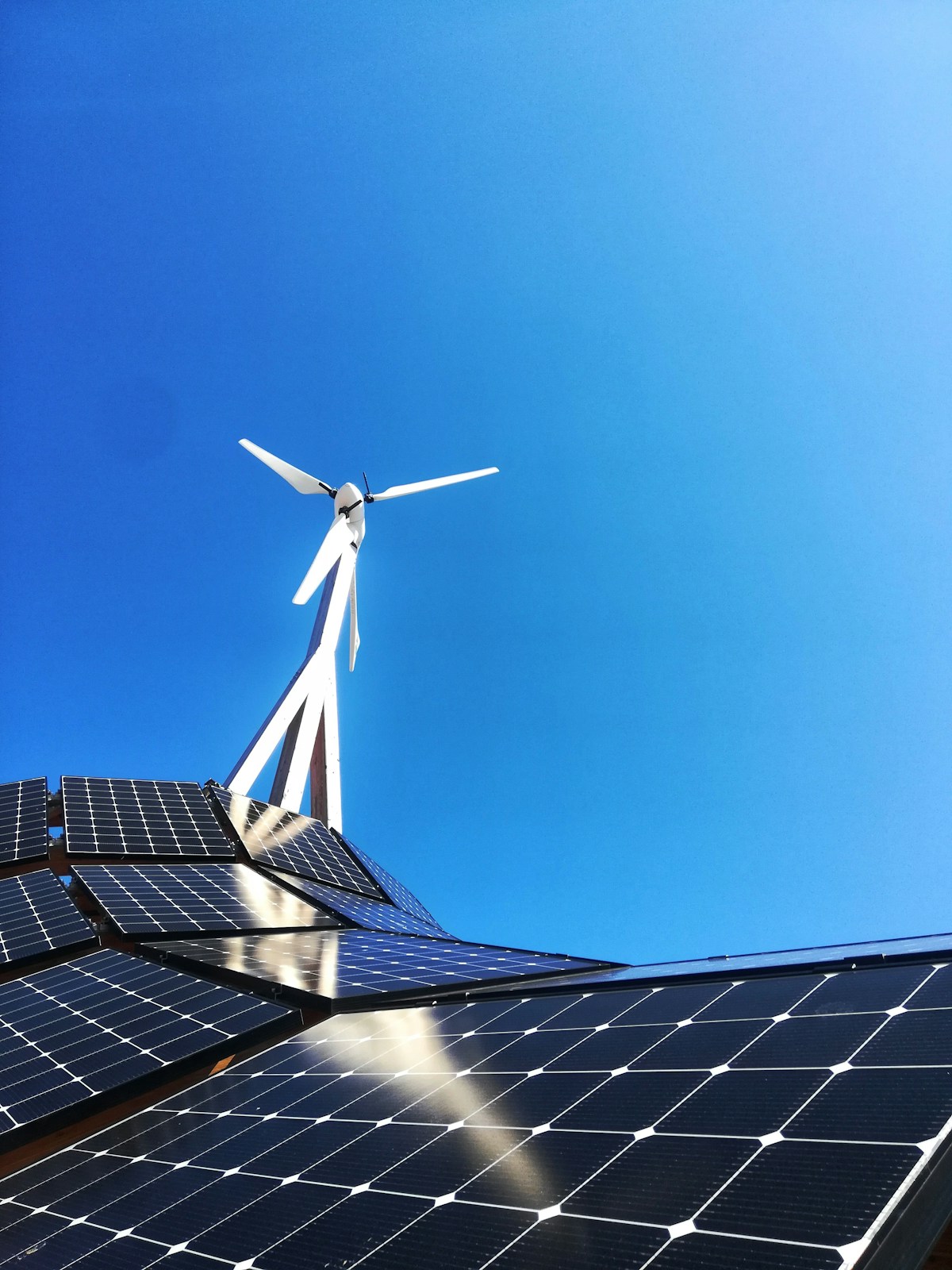
Wind and solar power generated more electricity than natural gas worldwide for the first time in April 2026, according to new data from Ember Climate, marking a historic turning point in the global energy transition.
The milestone reflects unprecedented momentum in renewable energy deployment, particularly across China, the European Union, and the United States. Global wind and solar capacity has expanded rapidly over the past decade, driven by dramatic cost reductions and increasingly ambitious climate policies.
Ember's analysis shows renewables now constitute a larger share of global electricity generation than gas-fired power plants, a threshold climate scientists and energy analysts have long identified as critical for achieving Paris Agreement targets. The shift demonstrates that clean energy technologies have matured beyond niche applications to become the backbone of modern electricity systems.
China has led global renewable installations, adding more solar capacity in 2025 alone than the entire world installed in 2017. The EU has rapidly expanded offshore wind farms across the North Sea, while the United States has seen record renewable capacity additions driven by federal incentives and state-level mandates.
Yet the achievement comes with crucial context. While wind and solar have overtaken gas in electricity generation, fossil fuels still dominate global energy consumption when transportation, heating, and industrial processes are included. Coal remains the largest single source of electricity worldwide, and emissions reductions continue to lag behind the pace required to limit warming to 1.5°C.
Energy policy experts emphasize that April's milestone, while historic, represents progress rather than victory. The International Energy Agency projects that maintaining current climate trajectories requires tripling renewable capacity by 2030 while simultaneously phasing down unabated fossil fuel use.