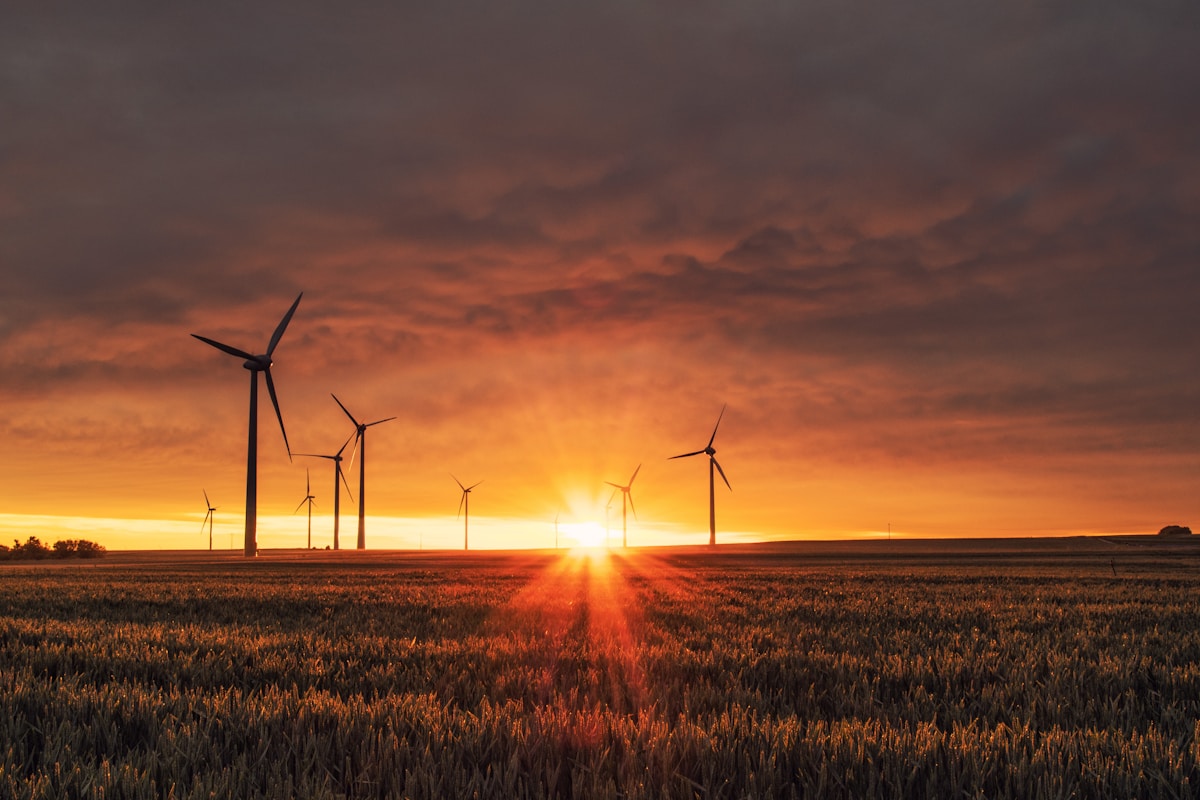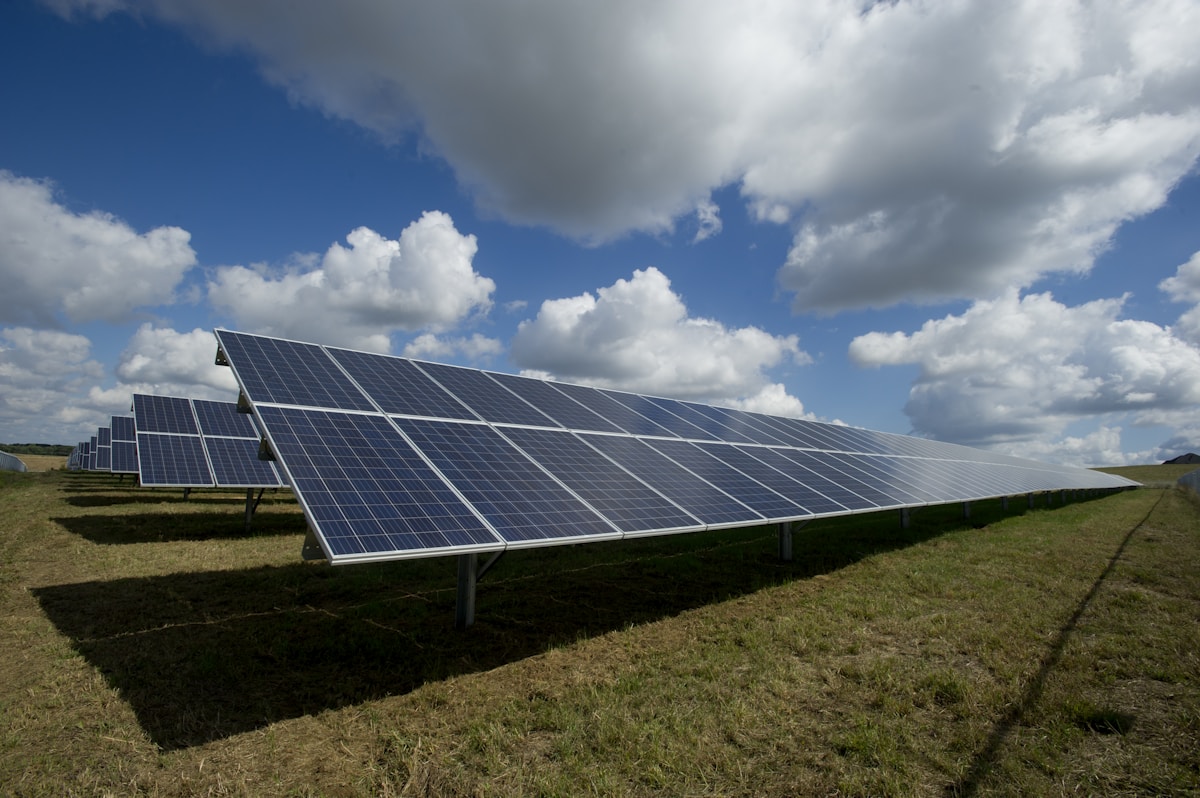
Wind and solar generation exceeded natural gas electricity output globally for the first time in April 2026, a historic energy milestone driven partly by China's dramatic 20 percent decline in oil demand following Middle East conflict and economic slowdown.
The crossover, documented by energy think tank Ember, marks a symbolic turning point in the global power sector transition, though the shift reflects complex dynamics of economics, geopolitics, and demand destruction rather than purely technological triumph.
In energy policy, as across strategic sectors, economics, security, and politics intertwine—simple solutions ignore complex realities. The renewable milestone occurred not only due to capacity growth but also because high fossil fuel prices and weakened economic activity reduced overall electricity demand, particularly in the world's largest energy consumer.
China Demand Collapse Accelerates Shift
Goldman Sachs analysts reported that Chinese oil consumption has plummeted 20 percent since the onset of Israeli-Iranian hostilities, the steepest decline since the pandemic lockdowns. The demand destruction reflects multiple factors: elevated energy prices, industrial production slowdowns, accelerated electric vehicle adoption, and strategic inventory drawdowns.
Axios noted that analysts are beginning to question whether global oil demand will recover to previous projections. "History suggests that past oil shocks often left lasting declines in gasoline demand, and this episode may prove no different," energy consultants stated.
The Chinese crude import decline—down 6 million barrels per day in May compared to March—created a balancing effect in global oil markets that helps explain why prices have stabilized near $94 rather than exceeding $120 despite the Strait of Hormuz closure. That demand reduction inadvertently accelerated the renewable generation crossover by reducing gas-fired electricity requirements.
Renewable Capacity Growth Continues
Beyond demand-side factors, renewable capacity additions continue at record pace. Texas added another major solar installation to the ERCOT grid, with solar generation set to exceed coal for the first time in the state's power mix. Turkey added 1.97 gigawatts of solar capacity in the first four months of 2026, while renewable deployment accelerated across Africa and South Asia.
The renewable economics that drove the April milestone reflect years of cost declines. Lazard analysis shows utility-scale solar costs fell from $359 per megawatt-hour in 2010 to just $24 per megawatt-hour in 2023—a 93 percent collapse that makes new solar the cheapest electricity source in most markets.
Battery storage costs have declined in parallel, enabling higher renewable penetration without reliability sacrifices. Australia brought online its first eight-hour battery system, while Switzerland commissioned a massive 2.1 gigawatt-hour underground storage facility. Energy storage deployments are running ahead of projections across developed markets.
Intermittency and Security Tensions Remain
Despite the milestone, energy security concerns persist. Henrik Andersen, CEO of wind turbine manufacturer Vestas, recently called for expanded gas, oil, and nuclear capacity in Europe's energy mix, citing grid collapse risks from renewable intermittency. Last year's blackouts in Portugal and Spain highlighted vulnerabilities from overloaded systems during low wind and solar output periods.
"This isn't a doomsday prediction; it's a realistic crisis if supply and demand aren't balanced," Andersen stated, describing scenarios where communications networks fail followed by transport breakdowns. The comments from a major renewable industry executive underscore ongoing reliability debates.
The Iran conflict has also renewed focus on energy security versus climate goals. Gulf states are pursuing multi-billion-dollar renewable investments while simultaneously expanding oil production capacity—a hedging strategy that reflects uncertainty about transition timelines and energy geopolitics.
Geopolitical Dimensions of Energy Transition
The renewable crossover milestone occurred amid the most severe energy security crisis in decades, illustrating how geopolitics shapes transition speed. European nations accelerated renewable deployment after Russian gas cutoffs, demonstrating that security concerns can drive faster change than climate policy alone.
However, the current crisis also demonstrates persistent fossil fuel leverage. Despite rapid renewable growth, oil and gas still provide approximately 80 percent of global primary energy. That dependency gives producers in strategic locations—particularly Persian Gulf states controlling key shipping chokepoints—ongoing geopolitical power.
Energy analysts note the April crossover applies only to electricity generation, which represents roughly 20 percent of total energy consumption. Transportation, industrial heat, and other applications remain overwhelmingly fossil fuel dependent, meaning the broader energy transition has further to run than power sector metrics suggest.
Economic and Climate Implications
The renewable milestone carries mixed economic signals. Lower generation costs benefit consumers and industrial competitiveness, while demand destruction from high oil prices indicates economic stress rather than healthy transition dynamics. The China demand collapse reflects weakened industrial activity alongside vehicle electrification—factors with different long-term implications.
From a climate perspective, the crossover represents genuine progress: each percentage point of fossil generation displaced reduces emissions. However, environmentalists note that absolute fossil fuel consumption continues growing in many regions despite renewable additions, as total energy demand increases faster than clean capacity deployment.
The transition timeline remains uncertain and heavily dependent on geopolitical developments. If Strait of Hormuz tensions persist, elevated oil prices could accelerate electrification and renewable investment. Alternatively, a rapid diplomatic resolution could ease pressure for transition, particularly if economic growth rebounds and fossil fuel prices normalize.
Energy economists emphasize that transition speed ultimately depends on balancing reliability, affordability, and climate goals—trade-offs that shift with geopolitical conditions. The April 2026 renewable crossover marks genuine progress, but the path forward remains shaped by conflicts, commodity markets, and security imperatives as much as technology costs and climate policy.