
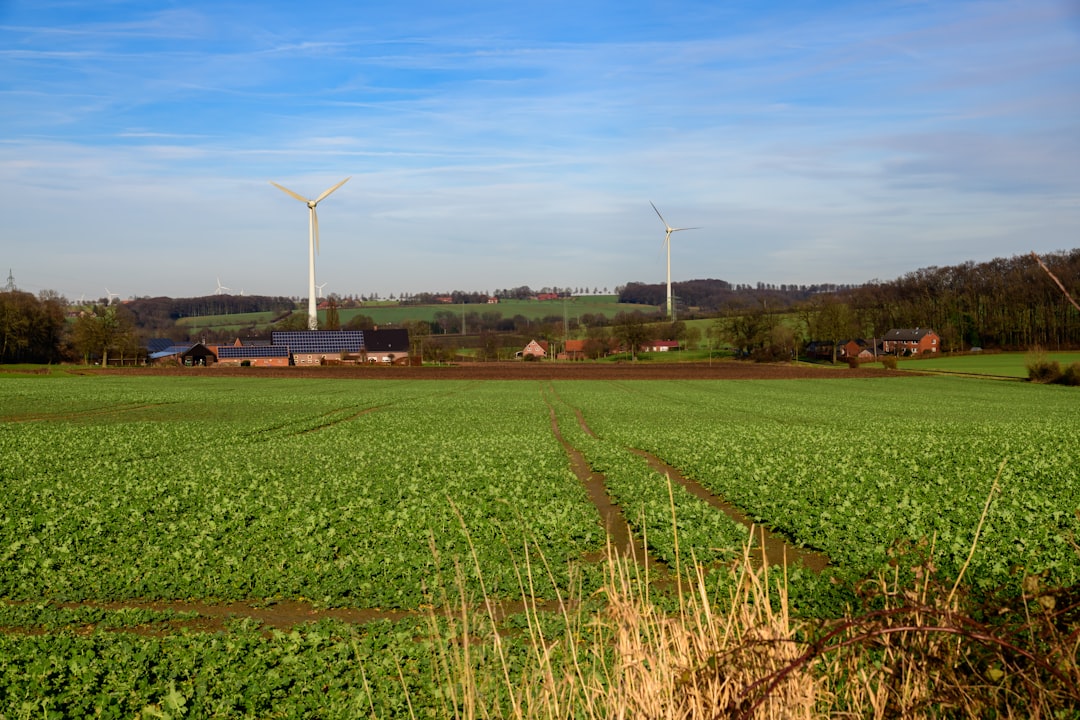
Wind and solar power generated a record 17% of U.S. electricity in 2025, according to data released by the Energy Information Administration, marking the fastest deployment rate in the nation's history and signaling that the clean energy transition is accelerating beyond previous projections.
The milestone represents a dramatic shift from just a decade ago, when wind and solar combined supplied only 6% of the grid. Solar capacity alone grew by 32 gigawatts in 2025—equivalent to roughly 100 million solar panels—while wind additions totaled 8 gigawatts, driven by both utility-scale installations and distributed rooftop systems.
The EIA report shows that renewable energy growth is reshaping the American electricity sector faster than coal's decline. Coal-fired generation fell to just 14% of the grid in 2025, dropping below renewables for the first time and continuing a steep descent from 50% in 2005.
"The economics have fundamentally shifted," said Dr. Jenny Chase, a solar analyst at BloombergNEF. "Utility-scale solar is now the cheapest form of new electricity generation in most of the United States, and battery storage costs have fallen so dramatically that solar-plus-storage is undercutting natural gas in many markets."
The Inflation Reduction Act's tax incentives accelerated deployment, but market forces drove much of the growth. Renewable energy costs have fallen 89% for solar and 70% for onshore wind over the past decade, making clean energy the economically rational choice for power producers regardless of climate policy considerations.
Regional patterns reveal striking variation. Texas led the nation in renewable capacity additions, installing 7 gigawatts of solar in 2025 alone—more than any other state and driven primarily by competitive wholesale electricity markets that reward low-cost generation. California maintained the highest renewable penetration at 38% of in-state generation, while Iowa and Kansas derived over 50% of electricity from wind power.