Wildfires don't just burn forests—they fundamentally alter how snowpack behaves, causing snow to melt roughly twice as fast during rain-on-snow events and threatening water supplies across the western United States, according to research from Portland State University.
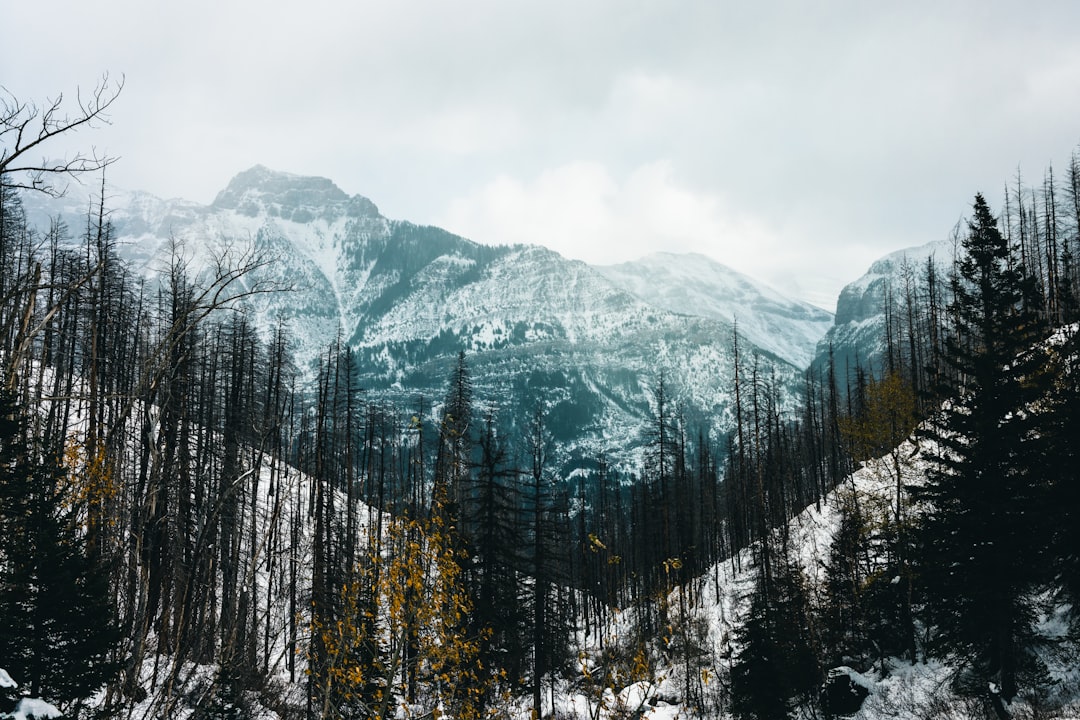
Here's the cascade. When forests burn, the canopy opens up, allowing more direct sunlight to reach the snow. Burned debris and soot darken the snow surface, reducing its reflectivity (albedo) and increasing heat absorption. This lowers what researchers call the snowpack's "cold content"—essentially its thermal buffer, the amount of heat it can absorb before melting begins.
Kelly Gleason's Snow Hydrology Lab studied Oregon's Breitenbush River watershed in the western Cascades, where approximately 80% of the area burned during the 2020 Lionshead fire. They established snow monitoring stations across multiple elevations and tracked melt dynamics during 2023-2024.
The most severe impacts occurred at mid-elevations during rain-on-snow events—when warm rain falls on existing snowpack. In burned areas, rain-on-snow-driven melt accounted for 26% more of annual melt compared to unburned areas.
Why does this matter? Western water systems are engineered around the assumption that snow melts gradually through spring and early summer, providing water when demand is highest. When snow melts faster in winter and early spring instead, you get two problems.
First, you lose that late-season water availability precisely when agriculture, urban systems, and ecosystems need it most. Second, you're forced into difficult tradeoffs between flood control (releasing water from reservoirs to manage winter flows) and maintaining adequate storage (keeping water for summer).
As research lead Sage Ebel noted, "As the area of burned forests increases with climate change, those effects could have widespread consequences for the water reserves we rely on across the West."
And the area of burned forests is increasing. Larger, more frequent wildfires are a well-documented consequence of warming temperatures and altered precipitation patterns. This creates a feedback loop: climate change drives more wildfires, which alter snowmelt timing, which stresses water systems, which compounds drought vulnerability.