
There's a strange disconnect happening in markets right now, and it's worth understanding before it resolves.
On one hand, we're seeing clear signs the economy is slowing. Job growth is concentrated in healthcare and government. Consumer sentiment is weak. Goods-producing sectors are shedding workers. By most traditional measures, this would be a yellow flag for equity investors.
On the other hand, the stock market keeps hitting new highs. The Nasdaq is up 27% in a month. Tech stocks are in full euphoria mode. The S&P 500 barely blinks at economic data anymore.
So what's going on? Why is Wall Street ignoring Main Street?
The short answer: bad economic news is good news for stocks, as long as it's bad in the right way.
Here's the logic. Slower economic growth means less inflation pressure. Less inflation means the Federal Reserve is more likely to cut interest rates. Rate cuts mean borrowing gets cheaper, valuations get more attractive, and stock prices go up. It's a playbook we've seen before.
The market is essentially betting that the economy will cool just enough to get rate cuts, but not so much that it tips into recession. That's the Goldilocks scenario.
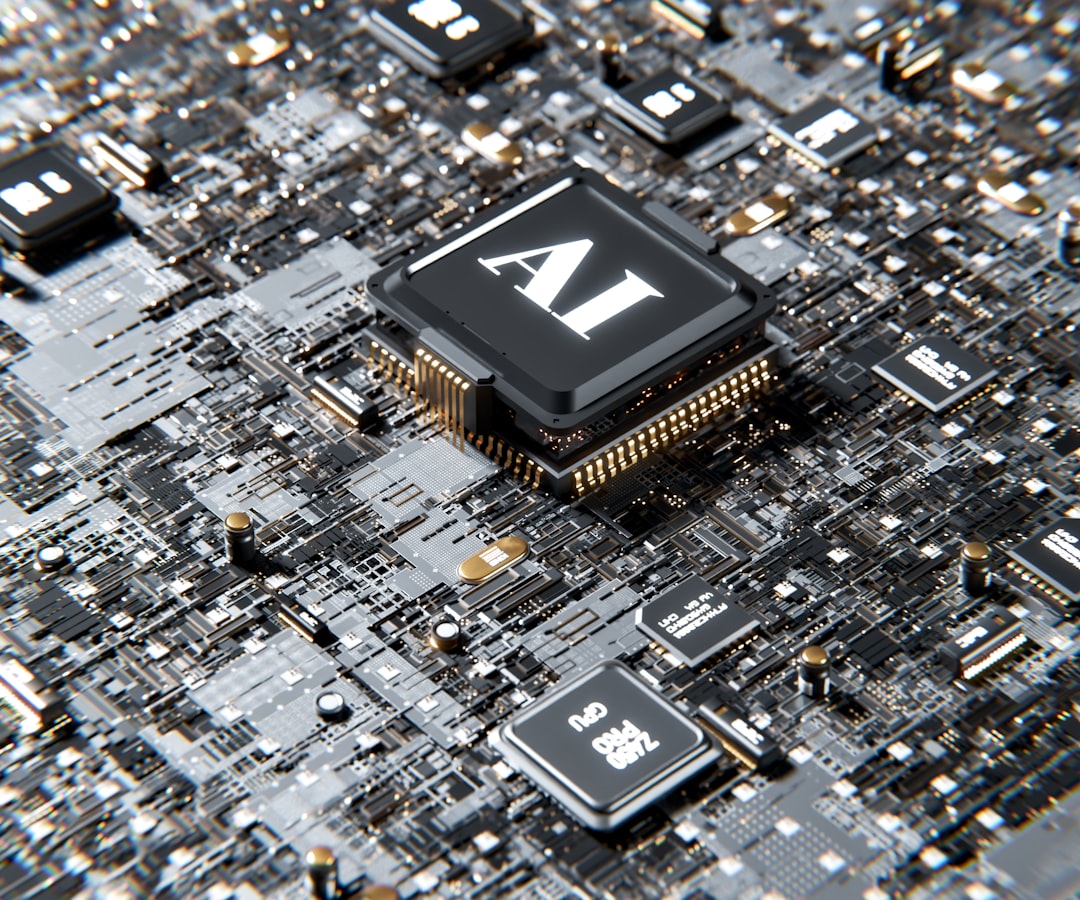
The second reason stocks are ignoring economic weakness: AI euphoria. Right now, investors are valuing companies based on their "AI story" more than their current fundamentals. We saw this play out with Nintendo and Sony earnings this week. Nintendo had solid results but no AI narrative - stock down 10%. Sony talked about using AI to cut costs - stock up.
That's a fundamental shift in how markets are operating in 2026. If you don't have an AI angle, you're getting left behind, regardless of your actual business performance.
But here's the problem with this setup: historically, this disconnect doesn't last.
When Wall Street and Main Street diverge this far, one of two things happens. Either the economy rebounds and validates stock prices, or stock prices come down to meet economic reality. There's no third option where they just ignore each other forever.