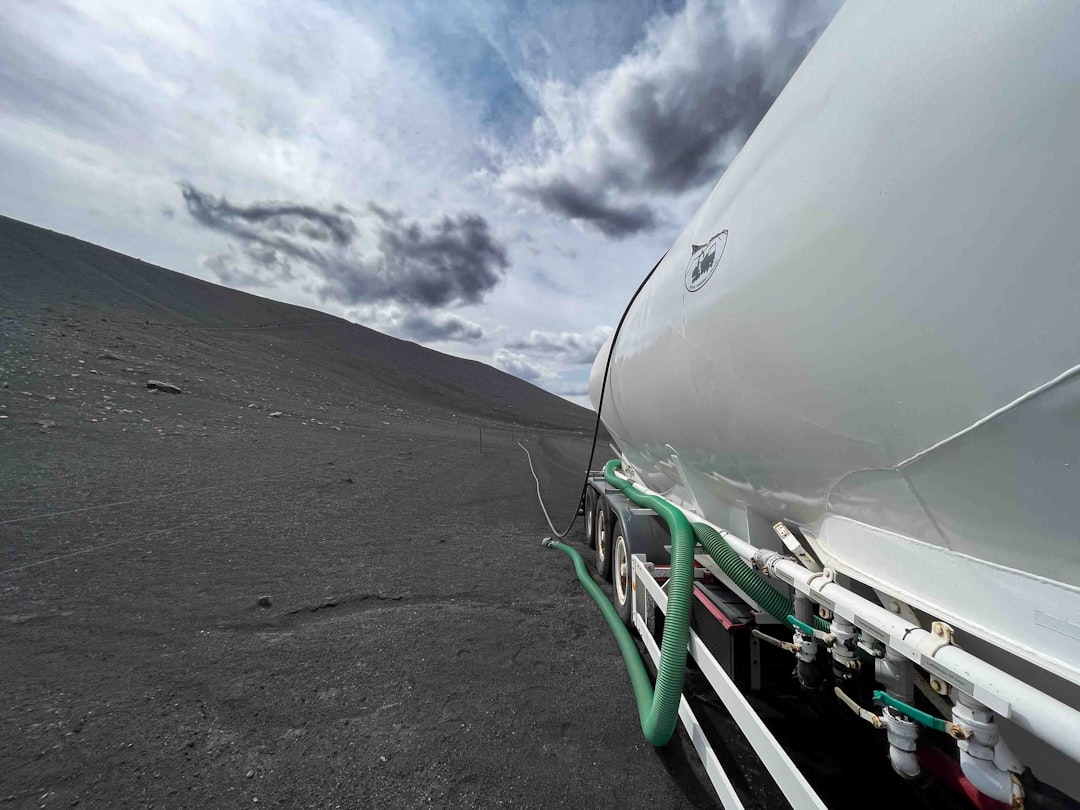
There's a war in Iran disrupting nearly 20% of the world's oil supply. Tankers are taking longer routes. Shipping speeds have slowed to a crawl. Jet fuel shortages are already hitting Europe. Airlines are quietly cutting routes.
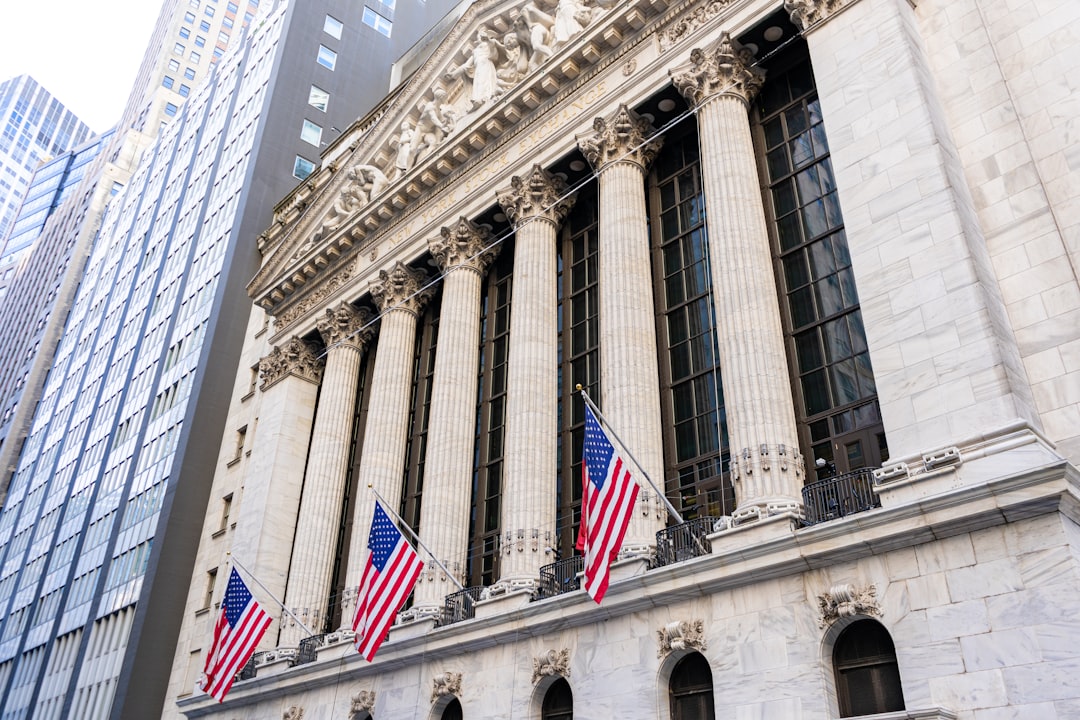
And yet the stock market is... calm. Eerily calm.
The S&P 500 is basically flat. Oil stocks have barely moved. The VIX - Wall Street's fear gauge - is sitting at sleepy levels. You'd think we were in the middle of a normal quarter, not staring down a major supply shock.
So what's going on? Why isn't the market panicking?
The "It's Already Priced In" Excuse
The most common explanation you'll hear is that the market has "already priced in" the Iran situation. In theory, efficient markets instantly incorporate all known information into stock prices. So the moment the war started and oil supplies tightened, the market adjusted, and now we're just living in the new normal.
That sounds smart. But here's the problem: the economic effects of this oil shock haven't actually shown up yet. Most of the oil tankers that left before the conflict are still working their way through the system. When they run out and the next wave of shipments arrives at much higher prices - or doesn't arrive at all - that's when the pain hits.
You can't price in something that hasn't happened yet if you don't know how bad it's going to be.
The "Slow Boats" Explanation
Some analysts point out that oil tankers move slowly, so there's a lag between the supply disruption and when it shows up in corporate earnings. That's true. Ships that left the Middle East weeks ago are still en route, and they're carrying oil purchased at pre-crisis prices.
But we're not weeks into this crisis anymore. We're months in. Those slow boats should be arriving by now, and the next batch of shipments - the expensive ones, or the ones that don't exist - should be starting to bite.
Airlines are already feeling it. United, Delta, and American Airlines all guided their Q2 earnings around jet fuel prices that now look wildly optimistic. The New York Times reported that European airlines are cutting summer flights because they literally can't get enough fuel.
If airlines are hurting, who's next? Logistics companies. Shipping companies. Manufacturers with high energy costs. Eventually, consumers, when the cost of everything that needs to be transported goes up.
Which Sectors Are Getting Squeezed?
This isn't hitting everyone equally. Tech companies don't burn much jet fuel. But airlines, logistics firms, and industrial manufacturers are getting hammered - they just haven't reported earnings yet.
Airlines: Already mentioned, but worth emphasizing. Fuel is their second-biggest cost after labor. When fuel prices spike, their margins disappear. American Airlines guided Q2 fuel costs at $4.00 per gallon. The current spot price? Over $4.26. That's a massive miss waiting to happen.
Logistics and Freight: Companies like FedEx, UPS, and trucking firms are in the same boat. Higher fuel costs eat directly into their margins, and unlike airlines, they can't easily raise prices without losing business to competitors.
Manufacturing: Anything that requires heavy energy input - chemicals, steel, plastics - is about to see costs spike. Some of that can be passed on to customers. Some of it can't.
Retail and Consumer Goods: Eventually, this trickles down. When it costs more to ship products, those costs show up in retail prices or corporate margins. Either consumers pay more, or companies make less. Neither is good for stocks.
Why the Calm Won't Last
The market is calm because earnings season hasn't fully reflected the oil shock yet. Companies are still reporting Q1 results, which captured the early stages of the crisis. Wait until Q2 and Q3 earnings, when the full impact of sustained high oil prices and supply disruptions show up in the numbers.
That's when the market will reprice. Not before.
Here's the uncomfortable truth: markets are often late to react to slow-moving crises. The 2008 financial crisis didn't really hit the stock market until late 2007, even though the housing market had been cracking for over a year. The COVID crash didn't happen until weeks after the virus was already spreading globally.
Markets wait for proof. And proof comes in the form of earnings misses, guidance cuts, and companies admitting things are worse than expected.
What Should Investors Do?
If you're sitting in cash waiting for the market to panic, you might have a few more weeks or months of calm before the storm. But don't mistake calm for safety.
If you're long stocks that are heavily exposed to energy costs - airlines, logistics, industrials - you might want to take a hard look at their fuel hedging strategies (spoiler: most U.S. airlines aren't hedged). If they're not protected, they're exposed.
And if you're fully invested and assuming this oil shock will magically resolve itself, remember: supply shocks don't fix themselves quickly. It took years for oil prices to normalize after the 1970s embargo. This won't be resolved by summer.
The market might be ignoring the war now. But earnings season doesn't lie. When companies start missing numbers and cutting guidance because fuel costs are crushing their margins, investors will wake up. The question is whether you'll still be holding when they do.