Conor Hylton was 26, a dental student at UConn, when he walked into a Connecticut emergency room with pancreatitis and alcohol withdrawal. Forty-eight hours later, a doctor pronounced him dead on a video screen. No physician had seen him in person since he'd been moved to the ICU.
The lawsuit filed by his family paints a damning picture. Hylton was admitted to Bridgeport Hospital Milford Campus on August 14, 2024. His condition was serious but treatable - pancreatitis, dehydration, metabolic acidosis. He was transferred to the ICU. And then, according to the complaint, something broke down. No on-site physician assessed him. No CIWA protocols for alcohol withdrawal. No intake and output monitoring despite documented changes in mental status. At 4:30 a.m. on August 15, he experienced seizure-like activity. He could not be resuscitated.
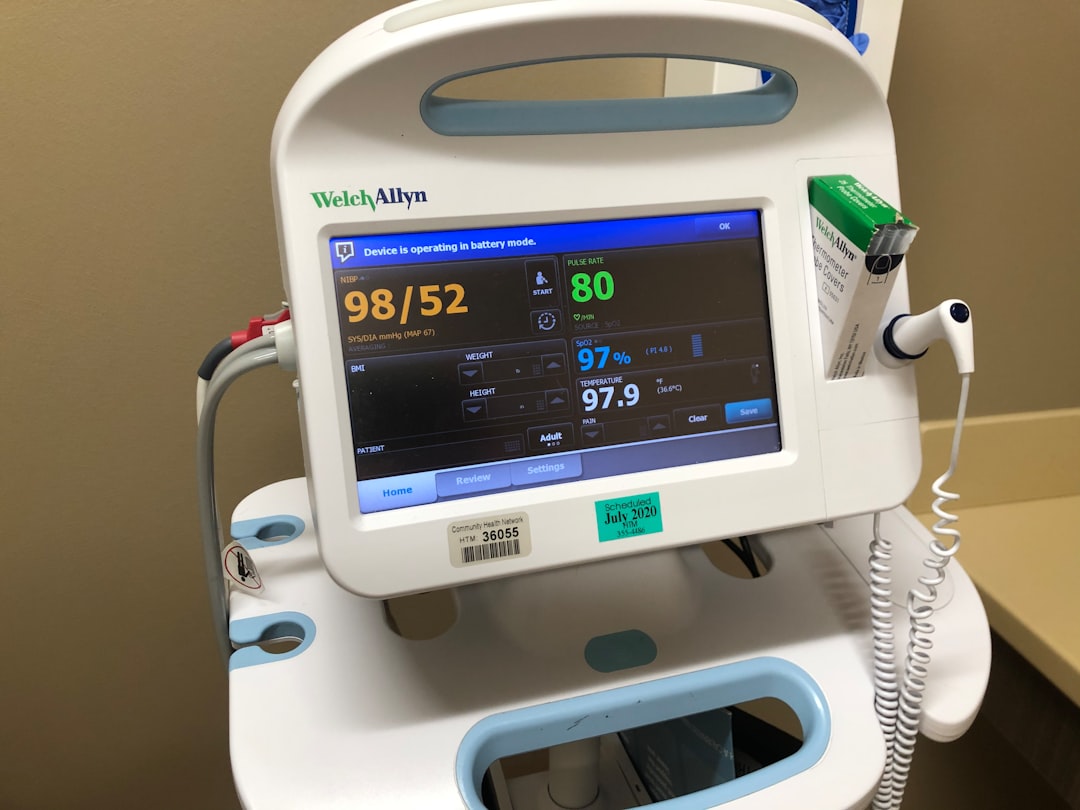
The hospital calls its model "enhancing care for critically ill patients by pairing advanced virtual monitoring with expert bedside teams." Hylton's attorney calls it a "fake ICU." Both descriptions might be true.
Telehealth ICUs - sometimes called tele-ICUs or eICUs - are spreading fast, especially in smaller hospitals that can't staff full-time intensivists. The economics make sense. Critical care doctors are expensive and scarce. A single intensivist monitoring screens can theoretically oversee multiple ICUs across different facilities. But theoretically is doing a lot of work in that sentence.
The lawsuit alleges "extremely poor communication among providers" and claims that Hylton's family was never notified as his condition deteriorated. A Connecticut Department of Public Health investigation in July 2025 substantiated failures in quality care and communication. The hospitalist, according to the complaint, "never saw the patient," relying only on remote sedation orders.
There's a version of telehealth that works. Remote consultations. Specialist review of imaging. Second opinions. But an ICU is not a consultation. It's a place where seconds matter and where the ability to physically examine a patient - to feel an abdomen, check capillary refill, notice subtle changes in breathing - can be the difference between life and death.
The technology is impressive. The question is whether anyone actually consented to being treated by it. If you knew walking into an ICU that no doctor would see you in person, would you check in? The answer, for most people, is probably no. Which is why the framing matters so much. "Advanced virtual monitoring" sounds like added capability. "No on-site doctor" sounds like something's missing. Both describe the same system.
Telehealth has a place in modern medicine. But that place probably isn't in intensive care units, where the stakes are too high and the variables too complex to manage through a screen. Conor Hylton's family is learning that the hard way.