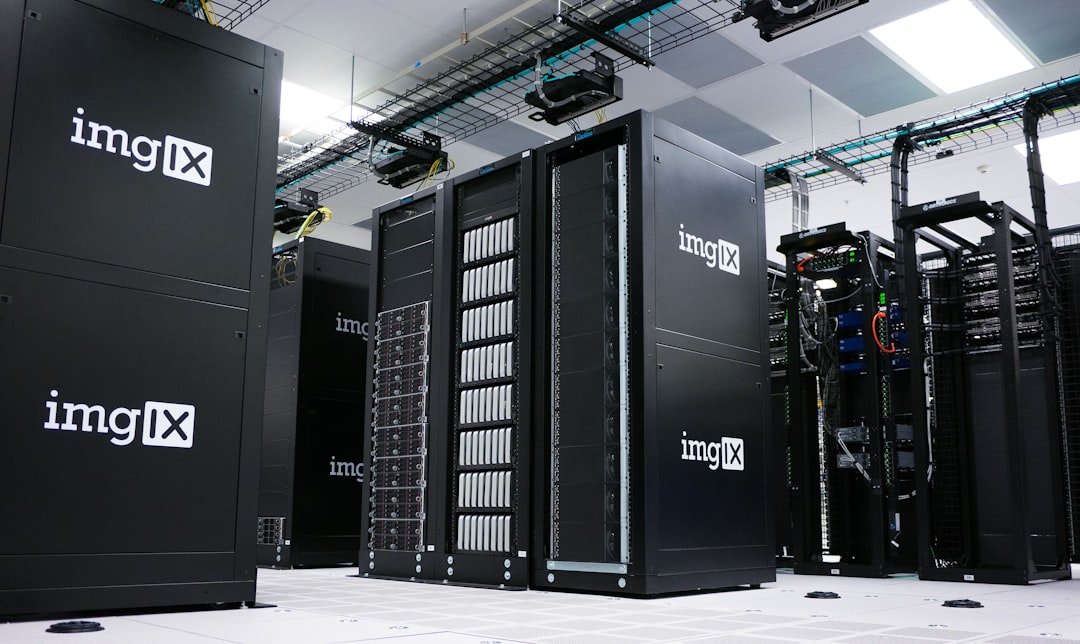
Everyone talks about GPU shortages and chip supply chains when discussing AI infrastructure. But there's another bottleneck quietly emerging that could constrain the entire AI boom: we're running out of hard drives.
Western Digital reports that all their hard drives are sold out for the entirety of 2026. Not backordered. Not delayed. Sold out. Data centers scrambling to store training data for AI models have bought up every spinning disk the company can manufacture.
This isn't a story about semiconductors or exotic materials. This is about the unglamorous reality that AI requires absolutely massive amounts of storage - and we're hitting physical limits on how quickly we can produce it.
Training a large language model means processing petabytes of text, images, and video. Running inference on those models means keeping billions of parameters accessible. Companies like OpenAI, Anthropic, Google, and Meta aren't just buying GPUs - they're buying storage at scales that dwarf traditional enterprise needs.
And that storage has to go somewhere. Cloud providers like Microsoft Azure, Amazon Web Services, and Google Cloud are the intermediaries here, building out data centers to serve AI workloads. Their purchasing power is so enormous it's literally consuming an entire year's production capacity from one of the world's largest storage manufacturers.
The irony is that hard drives are old technology. Spinning magnetic platters storing data haven't fundamentally changed in decades - they've just gotten denser and more reliable. SSDs are faster, but they're also far more expensive per terabyte, making them impractical for cold storage of massive training datasets that might be accessed infrequently.
So we're in this weird situation where cutting-edge AI development is bottlenecked by a technology that predates the internet.
Western Digital isn't the only storage manufacturer, of course. Seagate and others are presumably facing similar demand surges. But the fact that WD is completely sold out suggests the entire industry is running at capacity.
This has downstream effects. Regular enterprise customers who need storage for boring things like database backups, video archives, or file servers are finding availability tight and prices rising. Small and medium-sized businesses are competing with hyperscalers for the same hardware.