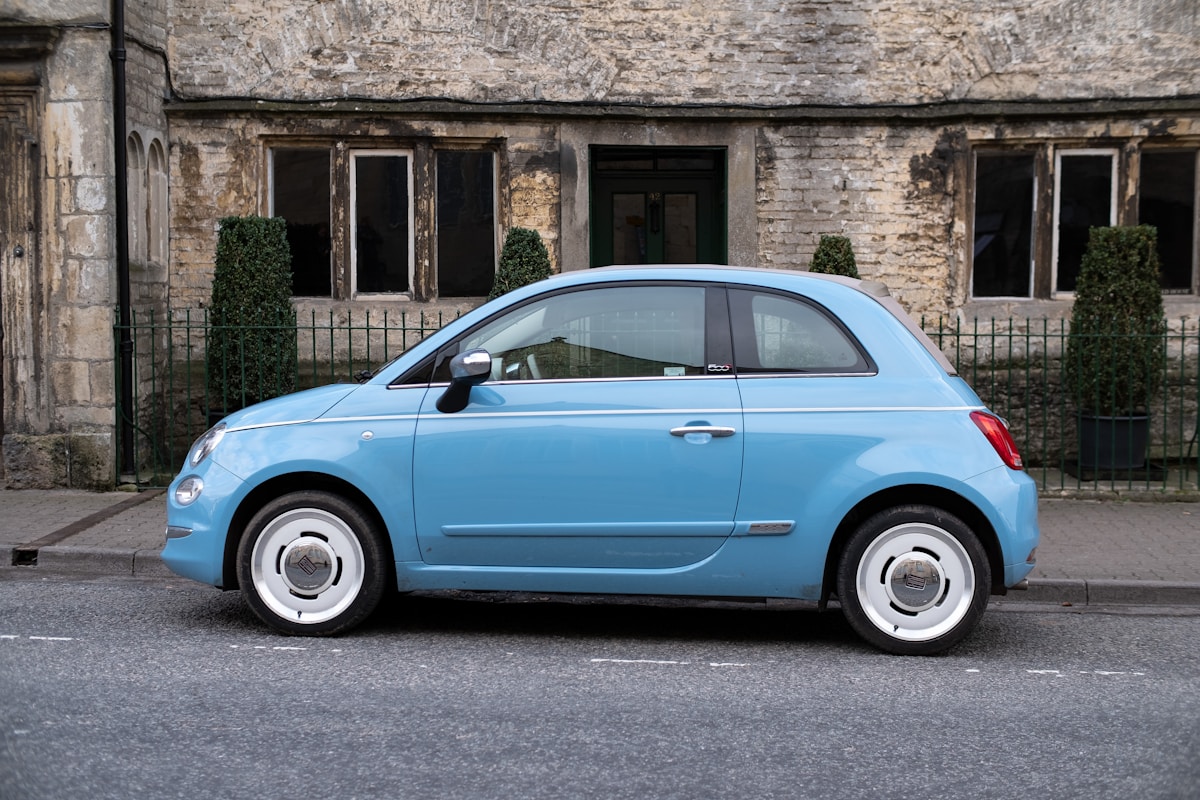
Empty Waymo autonomous vehicles have been circling an Atlanta cul-de-sac for hours with no passengers, confusing and frustrating residents. The future is weird.
Residents in the Atlanta neighborhood reported seeing the same Waymo vehicles repeatedly driving through their cul-de-sac—no passengers, no apparent destination, just... looping. Like a software bug made physical.
Waymo hasn't provided a detailed explanation yet, but this kind of behavior usually indicates a routing problem. The autonomous vehicles are following their programming, which somehow decided this particular cul-de-sac was part of an optimal route. Or the cars are stuck in some kind of decision loop where they can't figure out where to go next.
It's the kind of problem that would be trivial to fix if there were a human driver. "Why am I circling this cul-de-sac? I should leave." But autonomous systems don't have that common-sense override. They do what the algorithm says, even when the algorithm is clearly wrong.
This highlights one of the ongoing challenges with autonomous vehicles: they work impressively well in normal conditions, but edge cases can produce bizarre behavior. And "stuck in a loop circling someone's neighborhood" is exactly the kind of edge case that makes people nervous about sharing roads with robots.
Waymo is generally considered one of the most advanced autonomous vehicle companies. They've driven millions of miles. Their safety record is solid. This isn't a "self-driving cars don't work" story.
But it is a reminder that autonomous systems can fail in ways that are deeply weird and hard to predict. A human driver having a bad day might make mistakes, but they probably won't drive in circles for hours because the routing algorithm is confused.
Residents reportedly tried to figure out how to contact someone at Waymo to stop the cars, which itself is a problem. When autonomous vehicles malfunction, who do you call? There's no driver to flag down.
The technology is impressive. The question is whether we've thought through all the edge cases of deploying it in residential neighborhoods where people just want cars to behave normally.